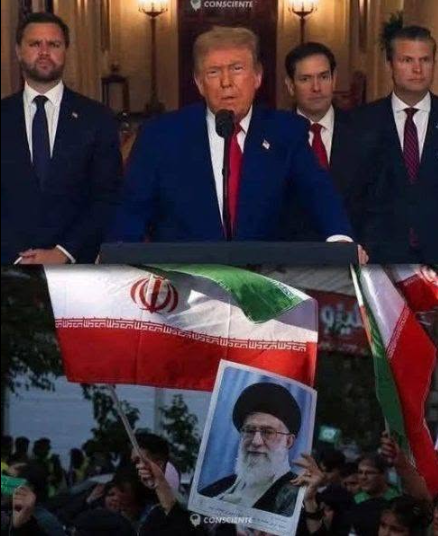
Urgent Iran Will Strike America Tonight and Will Start with the State of…
Sensational headlines like this have circulated on social media and fringe platforms amid heightened U.S.-Iran tensions in June 2026. As of today, there is no credible intelligence confirming an imminent Iranian strike on the U.S. homeland tonight or in the immediate hours. Such claims appear to be clickbait exploiting real escalations in the ongoing 2026 Iran conflict. However, the broader situation remains volatile, with recent U.S. defensive strikes in southern Iran, Iranian threats of retaliation, and a fragile ceasefire under strain.
Background: The 2026 Iran War Context
The current friction traces back to February 28, 2026, when the United States and Israel launched extensive strikes on Iranian targets. These operations aimed to degrade Iran’s nuclear program, missile capabilities, and military infrastructure. The initial wave killed Supreme Leader Ali Khamenei and targeted nuclear sites, air defenses, and leadership facilities. Iran responded with waves of missiles and drones against U.S. bases in the region (Qatar, Kuwait, UAE, Bahrain, etc.), proxies, and attempts to disrupt the Strait of Hormuz.
A ceasefire was brokered in early April 2026, but it has been repeatedly tested. Recent U.S. actions in late May and early June included “self-defense” strikes on Iranian missile sites, boats, drone facilities, and a ground control station near Bandar Abbas. U.S. Central Command (CENTCOM) described these as necessary to protect troops and maritime traffic after Iranian drone activity. Iran’s Islamic Revolutionary Guard Corps (IRGC) has vowed a “decisive reciprocal response,” raising fears of further escalation.
Despite the rhetoric, Iran’s capacity for a direct, large-scale strike on the continental United States remains extremely limited. Iran lacks intercontinental ballistic missiles (ICBMs) capable of reliably reaching the U.S. homeland with nuclear payloads in the near term. U.S. intelligence assessments have consistently noted that Iran would need years—potentially until the mid-2030s—to develop such systems, even before the degradation from recent strikes.
What a Hypothetical Iranian Strike Might Look Like
Clickbait posts often complete the phrase with speculative targets like “the state of New York,” “Texas,” or “Florida,” playing on fears of asymmetric warfare. Realistic Iranian options focus on:
- Regional U.S. assets: Continued drone and missile attacks on bases in the Persian Gulf, as seen in prior retaliations.
- Proxy networks: Hezbollah, Houthis, or Shia militias could target U.S. interests abroad or attempt low-level operations.
- Cyber and asymmetric threats: Iran has sophisticated cyber capabilities and could disrupt infrastructure, though major homeland cyberattacks would likely trigger overwhelming U.S. response.
- Terrorism/sleeper cells: Concerns exist about Iran’s surrogate networks in the U.S., potentially inspiring lone actors or small plots. Homeland Security has monitored this, but no elevated nationwide alert specifically for tonight has been publicly issued.
Direct strikes on U.S. soil via ballistic missiles or advanced delivery systems are not feasible at scale today. Any attempt would likely be intercepted by U.S. defenses and provoke massive retaliation, potentially ending the Iranian regime. Analysts note Iran’s strategy relies more on “mowing the grass”—harassment and deterrence—rather than suicidal direct confrontation with the U.S. homeland.
Current Tensions (as of June 1, 2026)
Recent days have seen:
- U.S. strikes on southern Iran targeting threats to troops and shipping.
- Iranian claims of retaliatory actions against U.S.-linked facilities.
- Diplomatic maneuvering: President Trump has sent revised proposals to Iran while maintaining a hard line. Negotiations in Doha and elsewhere continue amid brinkmanship over the Strait of Hormuz, sanctions relief, and nuclear restrictions.
Oil prices have fluctuated due to Hormuz disruptions, affecting global markets. The U.S. has deployed significant naval and air assets to the region—the largest buildup since 2003—but emphasizes defensive posture and preference for a deal.
Why the Alarmist Headlines?
Social media amplifies unverified claims during crises. Posts claiming “Iran will strike tonight” often lack sources and aim for engagement. Similar patterns emerged after earlier escalations. Mainstream reporting from BBC, NYT, Washington Post, and others stresses measured responses and ongoing talks rather than imminent homeland apocalypse.
U.S. officials, including those in the Trump administration, have warned of risks but have not indicated active, specific plots against stateside targets for tonight. DHS and FBI continue monitoring, with focus on protecting critical infrastructure, events, and diaspora communities.
Potential Impacts and U.S. Preparedness
If escalation occurs:
- Economic: Further Hormuz closures could spike energy prices, though alternatives like pipelines are being accelerated by Gulf states.
- Military: U.S. forces are on high alert regionally. Homeland defenses (NORAD, missile interceptors) remain robust.
- Domestic: Heightened vigilance for lone-wolf incidents or cyberattacks. Communities in major cities like New York (given the user’s location) should follow official channels—NYPD and federal alerts—rather than rumors.
- Geopolitical: Prolonged conflict risks drawing in more actors, though Arab states and others have shown limited appetite for wider war.
The U.S. maintains overwhelming conventional superiority. Any Iranian move against America would be met with decisive force, as repeatedly signaled.
Broader Strategic Picture
This episode fits decades of U.S.-Iran hostility: sanctions, proxy conflicts, nuclear concerns. The 2026 war has already caused significant casualties, displacement, and damage on all sides. Trump’s approach blends maximum pressure with openness to deals, as seen in past negotiations.
For Americans, especially in a city like New York, the advice remains: Stay informed via reliable sources (government alerts, major news), avoid panic-buying or spreading unverified info, and support diplomatic efforts that prevent wider war while addressing genuine threats like nuclear proliferation and terrorism sponsorship.
Iran’s leadership faces internal pressures—economic woes, protests, and military setbacks. Threats serve domestic rallying and deterrence purposes. However, miscalculation remains a real risk in such a tense environment.
Conclusion: Caution Over Panic
The specific claim of an urgent strike “tonight” starting in a particular U.S. state lacks substantiation as of this writing. Tensions are real, the 2026 conflict is ongoing with recent flare-ups, and vigilance is warranted. But turning to sensationalism helps no one. Focus on facts: Diplomacy continues alongside defensive military posture. U.S. forces and intelligence are positioned to deter and respond.
Americans should monitor official updates from the White House, Pentagon, and DHS. In uncertain times, calm assessment and preparedness outperform fear-driven narratives. The situation could evolve rapidly—developments in negotiations or further incidents in the Gulf will dictate the coming days more than unverified social media alarms.