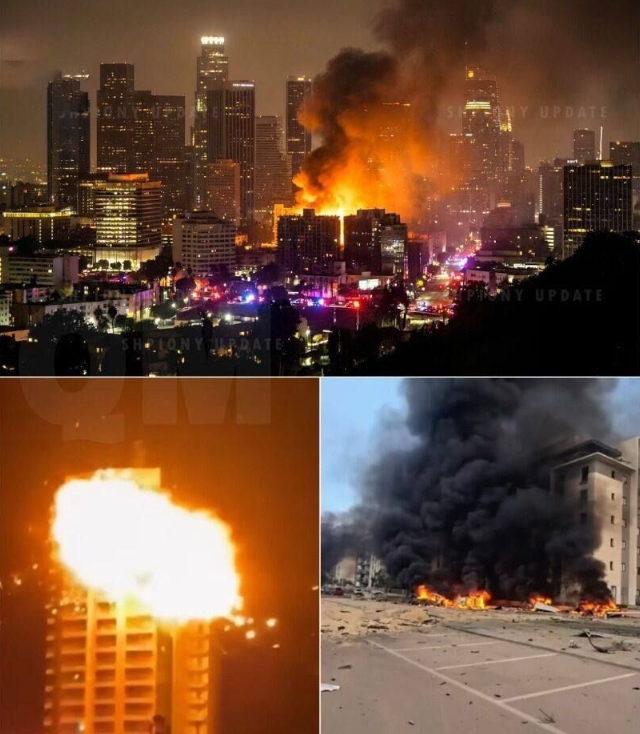

Iran’s Retaliation in the 2026 Conflict: Escalation, Impacts, and Global High Alert
As of mid-May 2026, the Middle East remains on edge amid the ongoing repercussions of the 2026 Iran war. What began with U.S. and Israeli strikes on Iranian targets on February 28 has triggered a cycle of retaliation involving ballistic missiles, drones, and regional spillover. While a ceasefire took hold in early April, tensions persist with reports of renewed Iranian activity, Israeli alerts, and concerns over Iran’s nuclear program and the Strait of Hormuz. This is not a fresh, isolated “beginning” of retaliation in May but a continuation and potential flare-up of a broader conflict that has already reshaped geopolitics.
Background: The Spark of War
The conflict ignited on February 28, 2026, when the United States and Israel launched coordinated strikes—codenamed Operation Roaring Lion or similar—targeting Iranian nuclear facilities, military sites, and leadership. Reports indicate these operations severely degraded Iran’s capabilities, with some accounts even referencing the death of Supreme Leader Ali Khamenei in the initial barrage, though details remain contested and fluid in wartime fog.
The strikes followed the breakdown of U.S.-Iran negotiations. Iran viewed them as an existential threat, prompting an immediate and widespread response under “Operation True Promise IV.” Iran launched hundreds of ballistic missiles and thousands of drones not only at Israel but also at U.S. bases and allied facilities across the region.
Iran’s Retaliatory Strategy
Iran’s retaliation was multifaceted and designed for maximum disruption:
- Direct Strikes on Israel: Iran fired approximately 650 ballistic missiles at Israel over the initial weeks, many carrying cluster munitions. Targets included Tel Aviv, Haifa, Jerusalem areas, and military sites. Interception rates by Israel’s Iron Dome and allied defenses started high (around 90%+) but declined as salvos intensified and Iran’s more advanced systems like Fattah missiles were deployed. Direct hits caused civilian casualties—reports cite around 24 deaths and over 7,000 injuries in Israel, with significant damage to infrastructure.
- Regional Spillover: Missiles and debris affected Gulf states including the UAE (Dubai and Abu Dhabi airports disrupted), Saudi Arabia, Jordan, Kuwait, and others hosting U.S. forces. This “horizontal escalation” aimed to internationalize the conflict and impose economic and political costs on Iran’s adversaries.
- Strait of Hormuz and Asymmetric Tactics: Iran threatened and partially disrupted shipping through the critical oil chokepoint, impacting global energy markets. Proxies like Hezbollah in Lebanon and Houthis contributed with rockets and attacks, broadening the theater.
Iran’s approach relied on volume over precision—waves of 30-80 missiles in initial days tapering to 10-20—as its military infrastructure faced degradation from U.S.-Israeli airpower. Despite this, the sustained barrages tested defenses and created psychological pressure.
Impacts on Israel and the U.S.
Israel faced the brunt of direct attacks. Cities went into lockdown, schools closed, and emergency services stretched thin. Notable incidents included strikes near Jerusalem killing civilians, damage in Tel Aviv and Haifa, and fragments affecting holy sites. Israel’s defenses performed well initially but showed strain under prolonged assault.
For the U.S., bases across the Gulf came under fire, though specific casualty figures are often classified. American forces supported intercepts and counterstrikes. President Trump’s administration signaled resolve, with warnings of finishing the job if Iran refused terms. As of May 2026, U.S. officials claim Iran’s military was severely degraded, yet high alerts persist amid fears of nuclear breakout or renewed strikes.
Civilian tolls extend far beyond Israel: thousands dead in Iran from initial strikes and counteroperations, displacement in Lebanon, and economic ripple effects.
Global High Alert: Economic and Strategic Ramifications
The world watches anxiously. Oil prices spiked due to Hormuz disruptions, affecting economies from Europe to Asia. Flight disruptions in the Gulf, refugee flows, and risks of wider involvement (e.g., potential NATO or Chinese responses) heighten stakes.
As of mid-May 2026:
- Israel maintains high alert, with officials stating the campaign against Iranian threats is unfinished.
- Reports circulate of Iran nearing nuclear thresholds or rebuilding capabilities.
- Diplomatic efforts, including Trump’s engagements, seek de-escalation, but brinkmanship continues.
Analysts note Iran’s strategy of resilience: absorbing hits while imposing costs through proxies, missiles, and economic warfare. However, the degradation of its air defenses and command structure limits options for a decisive victory.
Broader Context and Future Outlook
This conflict builds on decades of tensions—nuclear ambitions, proxy wars, and strikes like those in 2024. The 2026 escalation marks a shift to direct, large-scale confrontation between Iran and the U.S.-Israel axis.
Key challenges ahead:
- Nuclear Risk: Concerns Iran could accelerate weaponization.
- Proxy Fatigue: Hezbollah and others suffered losses but remain active.
- Economic Recovery: Reopening Hormuz and rebuilding regional infrastructure.
- Humanitarian Crisis: Aid needs in affected areas, with millions displaced.
Ceasefire fragility is evident. Renewed missile activity or Israeli preemption could restart full hostilities. International mediation, possibly involving China or others, will be crucial.
In summary, Iran’s retaliation has been dramatic, costly, and regionally destabilizing but has not altered the fundamental military imbalance. Both sides claim strategic gains—Iran in defiance and global attention, the U.S.-Israel axis in capability degradation—yet the human and economic price is steep. The world remains on high alert because one miscalculation could ignite wider war. Diplomacy, deterrence, and de-escalation are the only paths forward in this volatile landscape