The United States and Israel’s Military Campaign Against Iran: The 2026 Iran War Unfolds
As of mid-May 2026, the United States finds itself deeply engaged in a direct military conflict with Iran, often referred to in headlines and social media as the moment “US begins its war.” What started as a coordinated strike campaign on February 28 has evolved into a complex, high-stakes confrontation involving naval blockades, proxy battles, fragile ceasefires, and global economic ripple effects. This is not a full-scale ground invasion like Iraq in 2003, but a high-tech air and naval campaign with profound regional and international consequences.
Origins and the Opening Salvo
Tensions between the US, Israel, and Iran had simmered for decades, fueled by Iran’s nuclear program, support for proxy militias (Hezbollah, Houthis, and various Iraqi groups), and longstanding threats to Israel. By early 2026, negotiations over Iran’s nuclear ambitions reached a critical point. On February 28, under the code name Operation Epic Fury, US and Israeli forces launched a massive wave of nearly 900 strikes in just 12 hours. Targets included Iranian missile sites, air defenses, military infrastructure, and leadership compounds.
The strikes were devastating. Supreme Leader Ali Khamenei was killed early in the operation, along with dozens of other senior officials. Iranian retaliation was swift: hundreds of missiles and thousands of drones targeted US bases and Israeli positions across the region. Civilian casualties mounted quickly—one early incident involved a girls’ school near a naval base in Minab, killing around 170 people. Iran and its allies suffered significant losses, but the regime survived the initial shock and mobilized asymmetric responses.
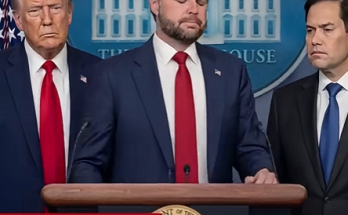
President Donald Trump framed the operation as necessary to eliminate imminent threats and degrade Iran’s capacity to develop nuclear weapons or threaten shipping lanes. Israeli Prime Minister Benjamin Netanyahu (or his successor, depending on domestic politics at the time) coordinated closely, viewing it as an existential defense against a regime that had vowed to wipe Israel off the map.
Escalation and Regional Fallout
The war quickly expanded beyond bilateral strikes. Iranian-backed Hezbollah intensified attacks on Israel, prompting a renewed Israeli campaign in southern Lebanon. By May 2026, thousands had died in Lebanon alone, with over a million displaced—exacerbating an already dire humanitarian and economic crisis in the country.
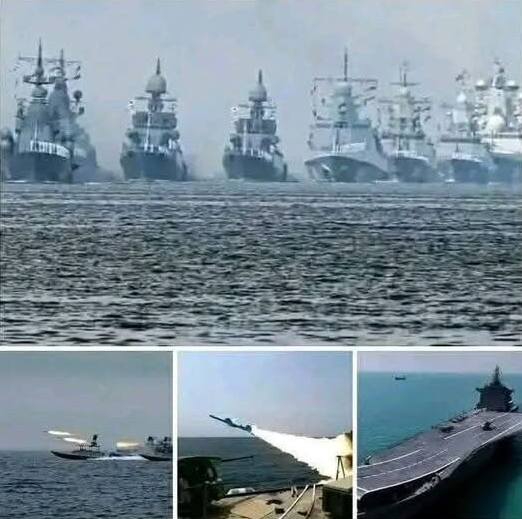
In the Persian Gulf, the Strait of Hormuz—through which about 20% of global oil passes—became the central battleground. Iran threatened and partially disrupted shipping; the US responded with a naval blockade. US warships faced attacks, leading to American strikes on Iranian ports. Oil prices spiked dramatically, contributing to global inflation and energy market volatility. China and other importers felt the pinch, adding urgency to diplomatic efforts.
US casualties included at least 15 soldiers killed and hundreds wounded in the early phases, with bases sustaining heavy damage from Iranian missiles and drones. Iran reported far higher losses, though exact figures remain contested amid fog of war and propaganda.
Ceasefire Attempts and Current Fragility
A two-week ceasefire was brokered in early April 2026, with extensions and pauses following. However, implementation has been rocky. Iran has refused to fully reopen the Strait of Hormuz under US terms, leading to a “dual blockade” situation. As of mid-May, a fragile truce holds “on life support,” with sporadic incidents, including US strikes on militia targets and naval clashes.
President Trump has alternated between optimistic talk of a deal and stern warnings that the US will end the conflict “peacefully or otherwise.” Peace proposals have been rejected as insufficient by both sides. The Pentagon has even discussed renaming resumed operations “Operation Sledgehammer” to reset legal and congressional timelines under the War Powers Resolution.
On the diplomatic front, Trump traveled to Beijing for a summit with Xi Jinping in mid-May 2026. Topics include the Iran war, Taiwan arms sales, trade tariffs, and AI competition. China has offered to help broker peace, though Trump has downplayed the need for Beijing’s involvement. Energy security and preventing broader escalation with Chinese interests in the Gulf are key concerns.
Broader Strategic and Humanitarian Impacts
Militarily, the US has demonstrated its ability to project power rapidly, leveraging advanced stealth aircraft, precision munitions, and carrier strike groups. However, the conflict highlights vulnerabilities: Iranian drone swarms and missile barrages can overwhelm defenses and inflict costly damage on bases and shipping.
Economically, the war has driven oil toward $100+ per barrel at times, strained global supply chains, and contributed to inflation concerns in the US and abroad. Humanitarian costs are severe—thousands dead, millions displaced, and infrastructure ruined in Iran, Lebanon, and surrounding areas.
Politically, the war has polarized opinion. Supporters see it as a necessary stand against a rogue regime threatening nuclear proliferation and regional stability. Critics argue it was an unnecessary escalation that destabilized the Middle East further, risked wider war, and carried high human and financial costs without a clear exit strategy.
What Comes Next?
As of May 14, 2026, the situation remains fluid. US Central Command leaders are testifying before Congress on military posture and budgets. Naval operations in the Gulf continue, with risks of miscalculation high. Iran vows “no retreat,” while the US signals readiness for both diplomacy and renewed strikes.
The 2026 Iran War is a reminder of how quickly regional tensions can ignite into direct great-power-adjacent conflict. It tests alliances, strains economies, and forces difficult choices about when military force is justified versus the long-term pursuit of negotiated stability. For now, the world watches anxiously as Trump navigates talks with Xi, domestic politics, and an adversary that has proven more resilient than some anticipated.
This conflict, born from decades of proxy struggles and nuclear fears, has already reshaped the Middle East. Its full resolution—whether through decisive victory, messy compromise, or prolonged stalemate—will define international security for years to come.