Suspected Hantavirus Outbreak Leaves Cruise Ship Passengers Trapped as Three Passed Away – Details
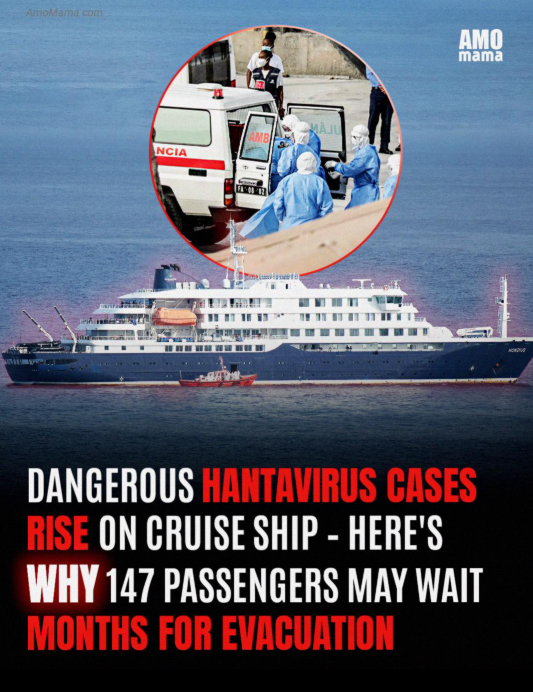
A luxury cruise ship carrying over 2,800 passengers and crew remains quarantined off the coast of Mexico after a suspected hantavirus outbreak claimed the lives of three passengers and sickened at least two dozen others. The vessel, Pacific Empress, operated by Horizon Cruise Lines, was on a 10-day itinerary from Los Angeles to Mexican Riviera ports when symptoms first appeared.
Health authorities confirmed the deaths late Wednesday. The victims, all adults over 60 with underlying conditions, succumbed to severe respiratory distress consistent with hantavirus pulmonary syndrome (HPS). Mexican maritime authorities, in coordination with the U.S. Centers for Disease Control and Prevention (CDC) and the ship’s flag state, have imposed a strict quarantine. No one is allowed on or off the vessel as testing and contact tracing continue.
Timeline of the Crisis
The first cases emerged five days into the voyage. Passengers reported flu-like symptoms: high fever, severe muscle aches, headaches, and fatigue. Within 48 hours, several developed rapid-onset breathing difficulties, a hallmark of hantavirus progression. Ship medical staff initially treated cases as severe influenza or possible COVID-19 variants, but the rapid deterioration of multiple patients raised alarms.
By day seven, three patients were airlifted via helicopter to mainland hospitals in critical condition. Two later died en route or shortly after arrival; the third passed away in the ship’s infirmary despite aggressive supportive care, including mechanical ventilation. Autopsies and preliminary lab results pointed strongly toward hantavirus.
“We are dealing with a highly aggressive pathogen,” said Dr. Elena Vargas, lead epidemiologist on the response team. “Hantavirus does not spread easily between people, which suggests a common environmental source on board—likely rodent droppings or contaminated food storage areas.”
Passengers describe growing panic. “People are scared to touch anything,” said one passenger via satellite phone interview, requesting anonymity. “Cabins feel like traps. We’re being told to stay in our rooms while crews disinfect public areas, but the ship is running out of certain supplies.”
What is Hantavirus?
Hantavirus is a family of viruses carried by rodents, primarily deer mice in North America. Humans become infected through inhalation of aerosolized urine, droppings, or saliva, or via bites and, rarely, contaminated food. It is not typically transmitted person-to-person, unlike many respiratory viruses, making the ship outbreak unusual and pointing to widespread contamination in ventilation systems, storage holds, or cabins.
Early symptoms mimic the flu. Within days, it can progress to HPS: fluid fills the lungs, blood pressure drops, and organs fail. Fatality rates for HPS range from 30-40% even with intensive care. There is no specific antiviral treatment—care is supportive only.
Cruise industry experts note that while norovirus outbreaks are common on ships, hantavirus is exceptionally rare at sea. Investigators suspect rodents may have boarded during a previous port call or via cargo, thriving in hidden areas during the voyage. Warm, humid conditions and abundant food waste could have accelerated infestation.
Life Under Quarantine
The Pacific Empress is currently anchored 15 nautical miles off Cabo San Lucas. Passengers receive three meals delivered to cabins. Internet and satellite TV remain operational, but many report feeling claustrophobic and anxious. Children on board are particularly affected, with counselors providing virtual support.
Crew members, many from Southeast Asia and Latin America, continue essential operations under heavy protective protocols. Some have shown mild symptoms and are isolated. Horizon Cruise Lines issued a statement expressing “deepest condolences” to the families and pledging full cooperation with authorities.
“We are working around the clock with health officials to ensure the safety of everyone aboard,” the statement read. “Guest comfort and well-being remain our priority during this difficult time.”
Compensation talks have already begun. Affected families are expected to receive substantial settlements, and all passengers will likely be offered full refunds plus vouchers once cleared.
Investigation and Challenges
CDC teams have boarded the vessel wearing full hazmat gear. They are conducting environmental sampling, rodent trapping, and extensive PCR and serological testing. Tracing the exact source could take days or weeks. Complicating matters: the ship visited multiple ports where local rodent populations carry related hantavirus strains.
Mexican health authorities have activated emergency protocols in ports that the ship visited earlier. Passengers who disembarked mid-cruise are being contacted for monitoring. Symptoms can appear up to six weeks after exposure, creating a long tail of concern.
Public health experts warn against panic. While serious, hantavirus remains rare. Most cases in the U.S. and Mexico occur in rural areas with rodent exposure—national parks, cabins, or farms. A cruise ship cluster is unprecedented in recent records.
Broader Implications for the Cruise Industry
The incident arrives at a sensitive time for cruising, still recovering public trust after high-profile COVID-19 outbreaks in 2020-2021. Shares of major cruise lines dipped on news of the quarantine. Insurance costs for vessels may rise if rodent control and air filtration standards are scrutinized.
Industry analysts say this could accelerate adoption of better pest management technologies, HEPA filtration upgrades, and real-time environmental monitoring. Some ships already use UV disinfection and sealed waste systems; those may become mandatory.
For passengers still aboard, the psychological toll is mounting. Social media posts (shared via limited satellite access) show a mix of fear, frustration, and resilience—organized virtual book clubs, exercise routines in cabins, and messages of support for the bereaved families.
One passenger, a retired nurse from California who knew one of the deceased, said: “These were vibrant people enjoying retirement. We danced at the same shows. Now three families are shattered. We just want to go home safely.”
Path to Resolution
Health officials hope to lift the quarantine within 7-10 days if no new severe cases emerge and testing confirms the source is contained. All passengers and crew will undergo thorough medical evaluation before disembarkation. Long-term monitoring for exposed individuals will be required.
The families of the deceased have been notified and are receiving support. Names have not yet been publicly released pending family consent.
This outbreak serves as a stark reminder of nature’s unpredictability—even in the controlled environment of a floating resort. Hantavirus, though rare, carries high lethality once it takes hold. It underscores the importance of robust sanitation, pest control, and rapid response capabilities across the global travel industry.
As the Pacific Empress sits under the Mexican sun, its lights still twinkling at night, passengers count the hours until freedom. For three families, however, the journey ended in tragedy. Their loved ones boarded for celebration and relaxation, only to encounter an invisible threat lurking in the shadows.
Updates will continue as laboratory results confirm the strain, identify the precise source, and authorities decide the ship’s fate. For now, a luxury vessel has become a floating hospital under quarantine, its passengers trapped between the vast ocean and an uncertain future.