The Evolution of Style: How Fashion Has Transformed Since 1915
Fashion is more than fabric stitched together—it’s a reflection of culture, politics, technology, and identity. Since 1915, style has undergone dramatic transformations, shaped by wars, social movements, economic shifts, and creative revolutions. What people wear has always mirrored how they live, and over the past century, fashion has evolved from rigid formality to expressive individuality.
1910s–1920s: From Constraint to Liberation
In 1915, fashion was still rooted in tradition. Women wore long skirts, structured bodices, and corsets that shaped the body into a narrow silhouette. Men dressed formally in tailored suits, waistcoats, and hats. Clothing signaled status and propriety.
But the impact of World War I changed everything. As women entered the workforce, practicality became essential. Corsets began to disappear, hemlines rose slightly, and garments became looser.
By the 1920s, a cultural shift was in full swing. The “flapper” era redefined femininity. Dresses became shorter and straighter, emphasizing movement over restriction. Designers like Coco Chanel revolutionized women’s fashion by introducing comfortable, elegant clothing such as jersey dresses and relaxed silhouettes. Style was no longer just about appearance—it was about freedom.
1930s–1940s: Elegance Meets Utility
The Great Depression of the 1930s brought a more subdued aesthetic. Fashion became refined but restrained. Bias-cut dresses hugged the body softly, offering elegance without excess.
Then came World War II, which forced fashion into a practical mode once again. Fabric rationing led to simpler designs—shorter skirts, minimal embellishment, and structured shoulders. Women often wore trousers for factory work, a significant cultural shift.
Men’s fashion also adapted, with standardized military uniforms influencing civilian style. Utility became the defining theme of the decade.
1950s: The Return of Glamour
After years of hardship, the 1950s embraced luxury and femininity. The ideal silhouette featured cinched waists and full skirts, popularized by designers like Christian Dior and his iconic “New Look.”
Women’s fashion celebrated domesticity and elegance, while men adopted clean-cut, conservative styles—tailored suits, slicked-back hair, and polished shoes. This was an era of conformity, but also of refinement.
1960s: Youthquake and Revolution
The 1960s marked a turning point. Young people became the drivers of fashion, rejecting the formality of previous generations. Bold colors, geometric patterns, and experimental designs took center stage.
Designers like Mary Quant popularized the miniskirt, symbolizing liberation and rebellion. Fashion became intertwined with social movements—civil rights, feminism, and anti-war protests.
Men’s fashion also loosened up, with slimmer suits, bright colors, and influences from music icons. Style became a form of self-expression rather than social obligation.
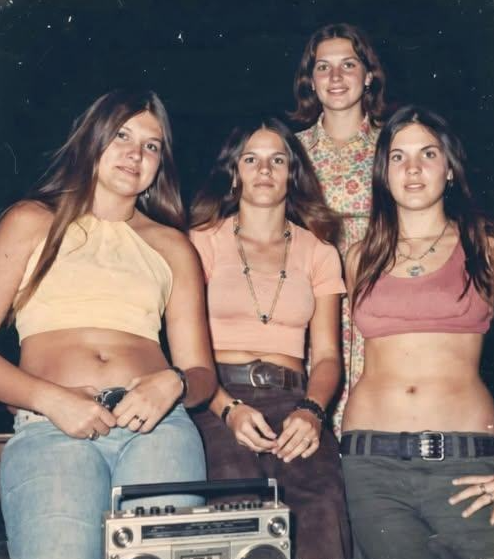
1970s: Individuality and Influence
The 1970s were defined by diversity. There was no single dominant style—instead, multiple trends coexisted:
- Bohemian looks with flowing fabrics and earthy tones
- Disco fashion with glitter, flared pants, and bold silhouettes
- Tailored power dressing for the workplace
Designers like Yves Saint Laurent introduced groundbreaking concepts such as women’s tuxedos, challenging traditional gender norms.
Fashion became global, drawing inspiration from different cultures and lifestyles.
1980s: Power and Excess
The 1980s embraced boldness. Fashion reflected ambition, wealth, and confidence. Shoulder pads, bright colors, and dramatic silhouettes dominated.
Power dressing became essential, especially for women entering corporate spaces. Structured suits symbolized authority and independence.
Pop culture played a huge role, with icons like Madonna influencing street style. Fashion was loud, expressive, and unapologetic.
1990s: Minimalism and Rebellion
After the extravagance of the ’80s, the 1990s shifted toward simplicity. Minimalism took hold, with clean lines, neutral colors, and understated designs.
At the same time, grunge fashion emerged, inspired by music and counterculture. Flannel shirts, ripped jeans, and combat boots reflected a rejection of polished aesthetics.
Designers like Calvin Klein defined the minimalist movement, emphasizing simplicity and sensuality.
2000s: Fast Fashion and Globalization
The early 2000s saw the rise of fast fashion—affordable, trend-driven clothing produced quickly and in large quantities. Brands expanded globally, making fashion more accessible than ever.
Trends changed rapidly, influenced by celebrities, reality TV, and the internet. Low-rise jeans, graphic tees, and logo-heavy designs became staples.
Fashion became less about seasons and more about constant change.
2010s: Digital Influence and Diversity
The 2010s were shaped by social media. Platforms like Instagram transformed how trends spread. Influencers and everyday users began shaping fashion just as much as designers.
There was also a growing emphasis on:
- Inclusivity
- Body positivity
- Sustainability
Streetwear rose to prominence, blending casual and high fashion. Collaborations between luxury brands and athletic companies blurred traditional boundaries.
2020s: Sustainability and Identity
In the current decade, fashion continues to evolve with a focus on responsibility and individuality. Consumers are more aware of environmental impact, leading to a rise in sustainable and ethical fashion.
Technology is also reshaping the industry:
- Virtual fashion shows
- Digital clothing
- AI-driven design
At the same time, style has become deeply personal. There are fewer rules, and people mix influences from different eras freely.
A Century of Change
From the structured garments of 1915 to today’s fluid, expressive styles, fashion has mirrored the transformation of society itself. It has moved from restriction to freedom, from uniformity to individuality.
What began as a symbol of status has become a platform for identity. And as the world continues to change, so too will the way we dress—constantly redefining what style means