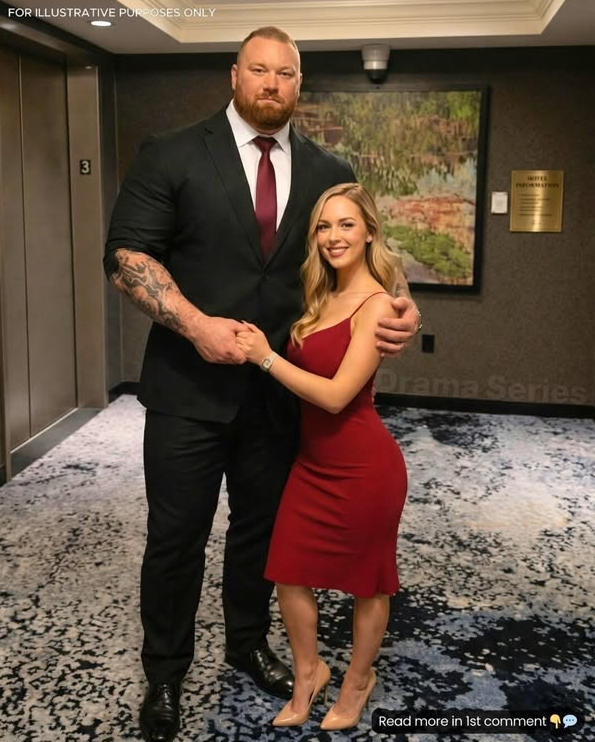
The idea that “men prefer short women” gets repeated a lot online, but it’s not a universal truth—and treating it like one can be misleading. Attraction is shaped by culture, personality, individual experience, and even chance. Still, there are a few reasons why this perception exists, and they’re worth unpacking carefully rather than accepting them as a rule.
One of the biggest factors is cultural conditioning. In many societies, there’s a long-standing narrative that men are “supposed” to be taller than their partners. This expectation shows up in movies, advertising, and social media, where couples are often portrayed with a noticeable height difference. Over time, people internalize these images, and preferences can start to mirror what they see repeatedly. It’s less about biology and more about what feels “normal” based on exposure.
Another aspect is psychological perception. Some people associate height differences with certain personality traits—rightly or wrongly. A shorter woman may be perceived as more approachable, gentle, or “cute,” while a taller woman might be seen as more dominant or commanding. These are stereotypes, not facts, but they still influence how people interpret attraction. Humans tend to simplify complex traits into visual cues, even when those cues don’t actually determine personality.
There’s also the dynamic of physical contrast. For some men, being taller than their partner reinforces a sense of traditional masculinity. That doesn’t mean it’s necessary or healthy—it just reflects how deeply gender norms can shape preferences. In relationships, people sometimes gravitate toward differences that make them feel a certain role more strongly, whether that’s protector, nurturer, or equal partner.
Practical considerations sometimes come up too, though they’re often overstated. Things like hugging, dancing, or even taking photos can feel more “comfortable” to people who expect a certain height dynamic. But in reality, couples of all height combinations adapt easily. What feels natural is usually just what someone is used to, not what’s objectively better.
It’s also important to recognize the role of dating apps and social filters. Many platforms allow users to set height preferences, which can reinforce biases. If enough people filter for a certain range, it can create the illusion that everyone shares that preference. In truth, plenty of men are attracted to women of all heights, and many don’t consider height a deciding factor at all.
Biology is sometimes mentioned in these discussions, but it’s often oversimplified. While evolutionary theories suggest people might look for certain physical traits linked to protection or fertility, height alone isn’t a reliable indicator of either. Modern attraction is far more influenced by social and emotional compatibility than by primal instincts.
Another overlooked factor is confidence. Regardless of height, confidence tends to be one of the most attractive traits a person can have. A shorter woman who carries herself with self-assurance can be far more appealing than someone who fits a supposed “ideal” but lacks presence. The same applies to taller women—many people find height striking and attractive when paired with confidence.
It’s also worth noting that preferences vary widely across cultures. In some countries, height differences are less emphasized, and tall women are often seen as highly desirable. Global perspectives show that there’s no single standard of beauty or attraction that applies everywhere.
Importantly, the idea that “men prefer short women” can be limiting and even harmful if taken too seriously. It can make taller women feel overlooked or pressured to fit into a mold that doesn’t reflect reality. In truth, attraction is diverse, and many men actively prefer taller partners or don’t care about height at all.
Relationships that last are rarely built on physical traits alone. Shared values, emotional connection, humor, trust, and mutual respect play a much bigger role in long-term compatibility. Height might influence first impressions, but it doesn’t determine the depth or success of a relationship.
In the end, it’s more accurate to say that some men prefer shorter women, some prefer taller women, and many don’t have a strong preference either way. The perception exists because of cultural patterns and repeated imagery—not because of a universal rule about attraction.
If anything, the takeaway should be this: people are drawn to authenticity more than any specific physical trait. Whether someone is short, tall, or somewhere in between, what truly matters is how they connect with others and how they carry themselves.