BREAKING NEWS: Rising Tensions in the Gulf Spark Global Concern
In recent hours, alarming headlines and viral social media posts have spread rapidly, claiming that Iran has launched a direct attack on a U.S. naval fleet. The phrasing is dramatic, urgent, and designed to provoke a strong emotional reaction. But when you strip away the noise and examine what is actually confirmed, the reality—while still serious—is more complex and far less sensational than many posts suggest.
The current situation centers on the Strait of Hormuz, a narrow but critically important waterway that connects the Persian Gulf to the rest of the world. Roughly one-fifth of global oil passes through this corridor, making it one of the most strategically sensitive locations on Earth. Any disruption here has immediate ripple effects across global markets, energy prices, and geopolitical stability.
According to multiple credible reports, Iranian forces have recently engaged in aggressive actions involving commercial shipping vessels in this region. These actions include the seizure of ships and reports of gunfire directed at others attempting to transit the strait. While no widespread casualties have been confirmed, the incidents have heightened fears of a broader escalation.
Iran has justified its actions as a response to mounting pressure from the United States and its allies. In particular, Iranian officials point to what they describe as a de facto naval blockade and previous seizures of Iranian-linked vessels. From their perspective, these moves are retaliatory—a signal that they are willing to respond forcefully when their economic and strategic interests are threatened.
However, it is crucial to draw a clear distinction between targeting commercial shipping and launching a direct military assault on a U.S. naval fleet. As of now, there is no verified evidence from reputable sources confirming that Iran has carried out a large-scale, coordinated attack against U.S. warships today. This distinction matters, because the latter would represent a dramatic escalation—one that could rapidly spiral into a full-scale regional or even global conflict.
So why are so many people convinced that such an attack has already happened?
The answer lies in a combination of factors: heightened geopolitical tension, recent military activity, and the speed at which misinformation spreads online. In recent days and weeks, there have indeed been reports of drone activity, missile launches, and confrontations involving U.S. forces and Iranian-backed groups. These incidents create a backdrop of instability that makes dramatic claims seem more plausible, even when they are not fully accurate.
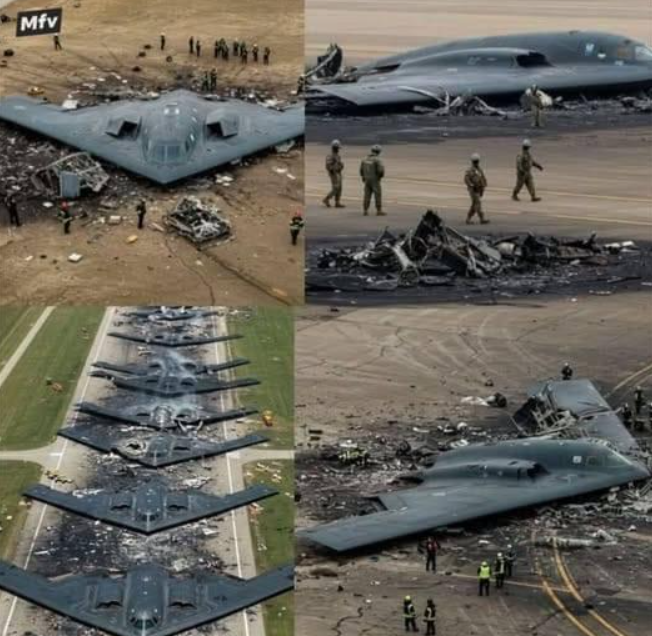
Social media amplifies this effect. A single post using urgent language like “BREAKING” or “OUR FLEET UNDER ATTACK” can spread to millions within minutes, often without verification. As more users share the claim, it gains a sense of legitimacy, even if it originated from speculation or misinterpretation. In some cases, older footage or unrelated events are recirculated and presented as if they are happening in real time.
This doesn’t mean the situation should be dismissed. On the contrary, the current developments are serious and carry real risks. The seizure of ships in such a vital waterway disrupts global trade and sends a clear signal that tensions are escalating. Insurance costs for shipping companies may rise, routes may be altered, and oil prices can spike—all of which have tangible impacts on economies worldwide.
Diplomatic efforts are ongoing, but they appear fragile. Talks aimed at de-escalation have struggled to gain traction, with both sides accusing each other of violations and provocations. The presence of military assets in close proximity increases the chances of miscalculation. In such an environment, even a small incident—an exchange of fire, a misidentified vessel, a malfunctioning drone—can trigger a much larger confrontation.
For the United States, maintaining freedom of navigation in international waters is a long-standing priority. Any perceived threat to that principle is taken seriously, particularly in a region as vital as the Gulf. At the same time, U.S. officials are likely weighing their response carefully, aware that overreaction could accelerate the very conflict they are trying to avoid.
For Iran, demonstrating strength in the face of pressure is also a key objective. By targeting commercial vessels and asserting control over strategic waterways, they send a message both domestically and internationally. It’s a calculated move—one that raises stakes without necessarily crossing the threshold into direct war with a major military power.
Meanwhile, the rest of the world watches closely. Countries that rely heavily on energy imports are especially sensitive to any disruption in the Strait of Hormuz. Even the perception of instability can cause market volatility. Governments may begin contingency planning, exploring alternative supply routes or increasing strategic reserves.
What happens next depends on a delicate balance of actions and reactions. If both sides exercise restraint, there is still a path toward de-escalation. Diplomatic channels, even if strained, remain open. International pressure may also play a role in encouraging a step back from the brink.
But if incidents continue to escalate—if more ships are seized, if military assets become directly involved, or if casualties occur—the situation could deteriorate rapidly. In that scenario, the kind of headline currently circulating—about a direct attack on a U.S. fleet—could shift from rumor to reality.
For now, the most responsible approach is to stay informed through reliable sources and resist the pull of sensational claims. The truth is serious enough without exaggeration. Ships have been seized. Tensions are high. The risk of conflict is real.
But clarity matters. Understanding what is actually happening—not just what is being claimed—allows for a more grounded view of a rapidly evolving situation. And in moments like this, when uncertainty is high and emotions run strong, that clarity is more important than ever