The headline “Iran Faces Massive Daily Losses as U.S. Naval Blockade Hits Key Trade Routes” reflects a rapidly escalating geopolitical and economic crisis—one that is reshaping not just Iran’s economy, but global trade dynamics as well.
To understand the scale of what’s happening, you have to start with one simple fact: Iran is heavily dependent on the sea.
More than 90% of its trade flows through maritime routes, particularly via the strategically critical Strait of Hormuz.
When that access is restricted—even partially—the economic consequences are immediate and severe.
A Blockade That Cuts Deep
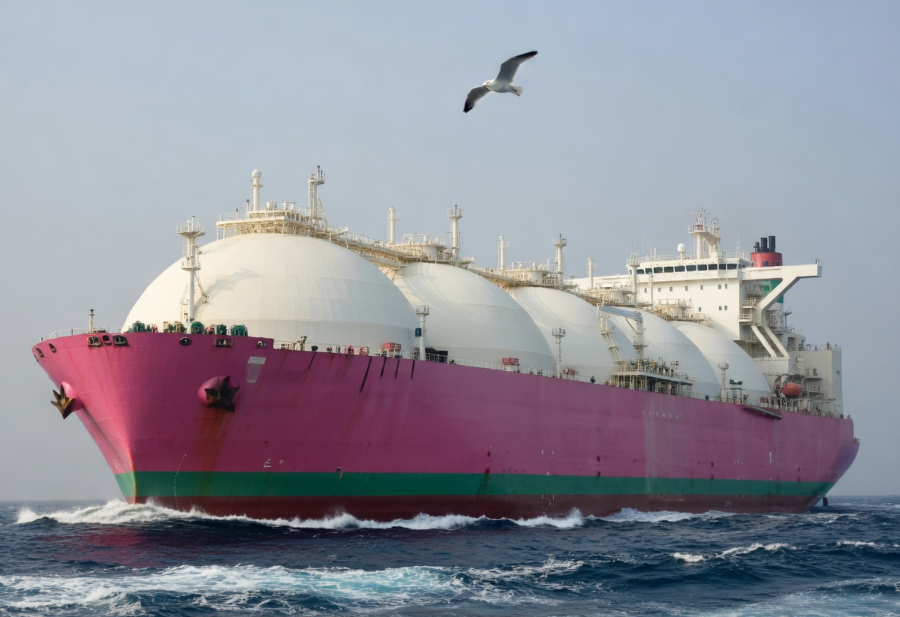
The U.S. naval blockade, launched in mid-April 2026, is not symbolic—it’s operational and aggressive.
According to U.S. Central Command, maritime trade into and out of Iran has been “completely halted” within just days of enforcement.
Warships, aircraft, and thousands of personnel are involved in intercepting vessels attempting to reach Iranian ports.
In practical terms, that means:
- Oil exports—the backbone of Iran’s economy—are being choked off
- Commercial imports (food, machinery, medicine) are severely restricted
- Shipping companies are avoiding Iranian routes due to risk
Even ships that attempt to comply face uncertainty, delays, or forced rerouting.
The Cost: Hundreds of Millions Per Day
Analysts estimate the blockade could be wiping out around $435 million in economic activity every single day.
That number isn’t just abstract—it represents:
- Lost oil revenue
- Frozen trade contracts
- Idle ports and tankers
- Rising inflation and currency pressure
For a country already under sanctions, this level of disruption compounds existing economic strain.
Within weeks, experts warn, Iran could face:
- Oil field shutdowns due to storage overflow
- Severe currency devaluation
- Supply shortages affecting everyday citizens
Real-World Enforcement: Ships Stopped, Seized, and Turned Back
This isn’t just theory—the blockade is actively being enforced.
Recent incidents include:
- A seized Iranian-flagged cargo ship accused of carrying dual-use materials
- U.S. naval forces intercepting vessels attempting to breach the blockade near the Strait of Hormuz
- Ships being warned, pursued, or even fired upon after ignoring orders to stop
In many cases, ships have turned around before even attempting entry, showing how powerful the deterrent effect has become.
Shipping data also indicates that vessels linked to Iran are:
- Disabling tracking systems
- Rerouting through indirect or covert paths
- Avoiding the region entirely
All of this increases costs and reduces efficiency.
Why This Strategy Matters
The blockade is not just about stopping ships—it’s about leverage.
The United States is using economic pressure to force Iran back into negotiations over:
- Nuclear activity
- Regional military actions
- Maritime security
By targeting trade instead of launching immediate large-scale strikes, the strategy aims to weaken Iran’s position without escalating into full war—at least for now.
However, Iran sees it very differently.
Tehran has condemned the blockade as “piracy” and a violation of international agreements, and it has already:
- Suspended diplomatic talks
- Warned of potential retaliation
- Signaled that further escalation is possible
The Global Ripple Effect
This isn’t just a U.S.–Iran issue. The consequences ripple outward.
The Strait of Hormuz alone carries roughly 20% of the world’s oil supply, making it one of the most critical chokepoints on Earth.
Even though the U.S. says it is not blocking non-Iranian traffic, the situation still creates:
- Higher insurance costs for shipping companies
- Increased oil price volatility
- Nervous global markets
Countries like China—heavily involved in trade with Iran—have already criticized U.S. actions and called for restraint.
Meanwhile, energy traders, insurers, and logistics companies are all adjusting in real time to a situation that could shift dramatically overnight.
A Dangerous Balancing Act
What makes this situation particularly volatile is how close it sits to escalation.
On one hand:
- The blockade is working—trade is down, pressure is mounting
On the other:
- Iran retains the ability to disrupt global shipping
- Any miscalculation could trigger direct military conflict
Even a single incident—like a ship being attacked or a misinterpreted maneuver—could spiral into something much larger.
The Bottom Line
The phrase “massive daily losses” isn’t exaggeration—it’s reality.
Iran is facing:
- Hundreds of millions in daily economic damage
- Near-total disruption of maritime trade
- Growing internal and external pressure
At the same time, the U.S. is demonstrating how modern warfare can be waged not just with bombs, but with control over supply chains and trade routes.
The real question now isn’t whether the blockade is effective.
It’s how long it can continue before something breaks—
economically, politically, or militarily.