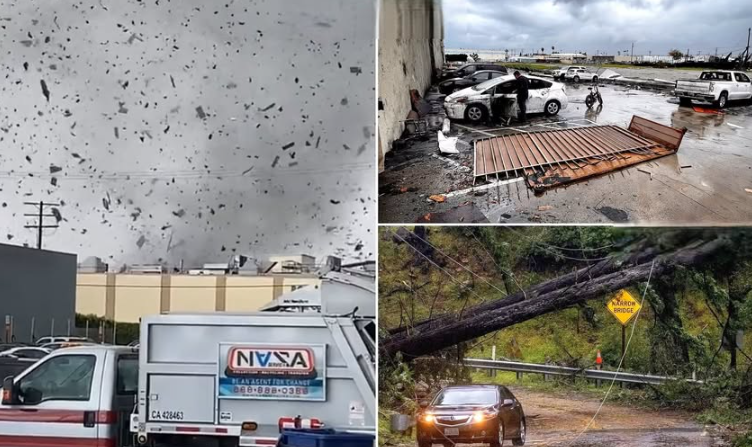
Severe thunderstorms can escalate quickly, bringing damaging winds, large hail, flash flooding, and even tornadoes. Preparing ahead of time—and knowing how to respond when a storm hits—can make a real difference for your safety and peace of mind. Here are practical, detailed tips to help you stay ready before, during, and after severe weather.
Stay informed before storms develop
Keep a close eye on forecasts from the National Weather Service and reliable local outlets. Pay attention to the difference between a watch (conditions are favorable) and a warning (danger is imminent). Enable Wireless Emergency Alerts on your phone and consider a battery-powered NOAA weather radio for redundancy.
If you live in a region prone to strong storms, build the habit of checking the forecast daily—especially in spring and summer when conditions can change fast.
Build a well-stocked emergency kit
Have a kit ready in an easy-to-access place. At minimum, include:
- Water (one gallon per person per day for at least 3 days)
- Nonperishable food and a manual can opener
- Flashlights and extra batteries
- A portable phone charger or power bank
- A first-aid kit and essential medications
- Copies of important documents in a waterproof bag
- Cash in small bills
Add items tailored to your household—baby supplies, pet food, or mobility aids if needed.
Identify the safest place in your home
During a severe thunderstorm warning, move to a sturdy structure. The safest indoor location is a small, windowless room on the lowest floor—such as a basement, interior bathroom, or closet. Avoid windows and glass doors, which can shatter from strong winds or hail.
If you live in an apartment, know where your building’s designated safe areas are. Practice getting there quickly so everyone knows what to do without hesitation.
Secure your property ahead of time
Outdoor items can become dangerous projectiles in high winds. Before storms arrive:
- Bring in or tie down patio furniture, grills, and trash cans
- Trim weak tree branches near your home
- Close and latch windows and doors
- Park vehicles in a garage or away from large trees if possible
If hail is expected, covering vehicles or using a garage can prevent costly damage.
Prepare for power outages
Thunderstorms often knock out electricity. Keep devices charged in advance and conserve battery during outages. Unplug sensitive electronics to protect them from power surges.
Have backup lighting ready—flashlights are safer than candles. If you rely on medical equipment, plan for backup power and consider notifying your utility provider about your needs.
Know how to respond to flooding
Flash flooding can occur with little warning, especially in urban areas or near rivers and streams. Never drive through flooded roadways—just a small amount of moving water can carry a vehicle away. The safety message “Turn Around, Don’t Drown” from the National Weather Service exists for a reason.
If flooding threatens your home, move to higher ground immediately. Avoid basements during flood conditions and be cautious of electrical hazards in standing water.
Be cautious with lightning
Lightning can strike miles away from a storm. When thunder roars, go indoors. Avoid:
- Using corded electronics
- Taking showers or baths
- Standing near windows or open doors
If you’re outside and can’t reach shelter, avoid open fields, tall isolated trees, and metal objects. Crouch low with your feet together, minimizing contact with the ground.
Have a communication plan
Severe storms can separate families or disrupt communication. Make a plan that includes:
- A designated out-of-town contact person
- Meeting locations if you need to evacuate
- A list of emergency numbers written down (not just stored on your phone)
Teach children how to recognize emergency alerts and what actions to take.
Prepare your vehicle
Keep your car ready in case you need to leave quickly. Maintain at least a half tank of gas and store a small emergency kit in the trunk—blanket, water, flashlight, and a phone charger.
If you’re caught driving during a storm, slow down, turn on headlights, and avoid flooded roads. If visibility becomes too poor, pull over safely and wait it out.
Stay alert during the storm
When a warning is issued, act immediately—don’t wait to see conditions worsen. Monitor updates from trusted sources and keep your weather radio or phone nearby.
Listen for changes in the storm’s intensity. Sudden calm after strong winds, a loud roar, or rapidly darkening skies can signal dangerous conditions.
Check for damage safely afterward
Once the storm passes, remain cautious:
- Watch for downed power lines—stay far away and report them
- Avoid standing water that could be electrically charged
- Check your home for structural damage before re-entering if you evacuated
Take photos of any damage for insurance purposes, but prioritize safety over documentation.
Support your community
After severe weather, neighbors may need help—especially older adults or those with limited mobility. Check in if it’s safe to do so. Community awareness and cooperation can make recovery faster and safer for everyone.
Practice and review regularly
Preparedness isn’t a one-time task. Review your plans seasonally, update supplies, and practice drills with your household. The more familiar you are with your plan, the more confidently you’ll respond when severe weather strikes.