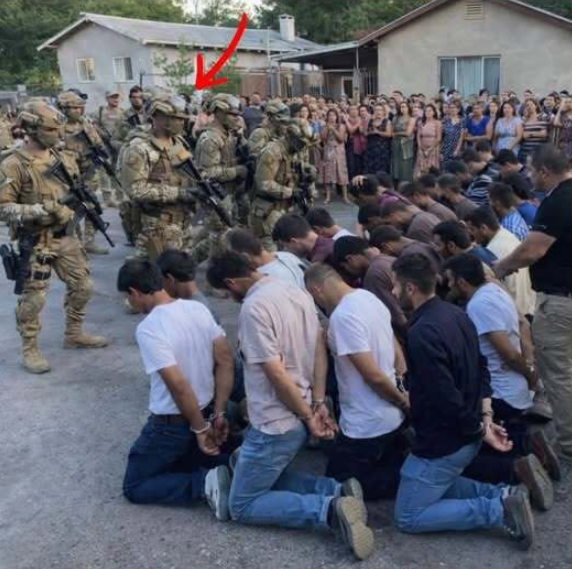
A major drug bust can send shockwaves through a community, exposing hidden networks, raising concerns about public safety, and highlighting the complex role of law enforcement in combating organized crime. While headlines often focus on the dramatic aspects—raids, arrests, and seized contraband—the broader story is one of coordination, strategy, and long-term impact on neighborhoods and institutions. Understanding how these operations unfold and what they mean for the community provides a clearer picture of both the challenges and progress in addressing illegal drug activity.
At the heart of most large-scale drug busts is a lengthy investigation. These operations are rarely spontaneous; they often involve months or even years of intelligence gathering, surveillance, and coordination among multiple agencies. Local police departments frequently collaborate with federal organizations such as the Drug Enforcement Administration (DEA) and sometimes the Federal Bureau of Investigation (FBI). These partnerships allow for the pooling of resources, expertise, and jurisdictional authority, which is essential when dealing with sophisticated criminal networks that may operate across state or national borders.
Investigators typically begin by identifying suspicious activity—unusual financial transactions, tips from informants, or patterns of arrests that suggest a larger network. Undercover officers and confidential informants often play a crucial role in infiltrating these organizations. Through controlled purchases, recorded conversations, and digital surveillance, law enforcement builds a case strong enough to withstand legal scrutiny. Warrants are obtained, and when the time is right, coordinated raids are executed, often simultaneously, to prevent suspects from fleeing or destroying evidence.
When the operation culminates in arrests, the scale of the bust can be staggering. Authorities may seize large quantities of narcotics such as heroin, cocaine, methamphetamine, or fentanyl, along with weapons, cash, and vehicles. These seizures not only disrupt the supply chain but also provide valuable evidence for prosecution. In some cases, law enforcement dismantles entire distribution networks, arresting not just street-level dealers but also higher-level organizers and financiers.
The immediate impact on the community is often a mix of relief and concern. Residents may feel safer knowing that a dangerous operation has been shut down, particularly if it was linked to violence or overdoses. At the same time, the visibility of such a large criminal enterprise can be unsettling. It raises questions about how long the activity went undetected and whether similar operations might still be active nearby.
Community leaders and local organizations frequently step in to address these concerns. Public meetings, increased police presence, and outreach programs are common responses aimed at rebuilding trust and ensuring residents feel secure. Schools and community centers may also become involved, emphasizing education and prevention to reduce the likelihood of drug use and trafficking in the future.
However, the long-term impact of a drug bust is more complex. While removing a major supplier can temporarily reduce the availability of drugs, it does not always eliminate demand. In some cases, other groups may move in to fill the void, leading to a cycle of enforcement and replacement. This reality underscores the importance of a comprehensive approach that goes beyond arrests and prosecutions.
Prevention and treatment are critical components of this broader strategy. Public health initiatives aimed at reducing substance abuse—such as counseling, rehabilitation programs, and harm reduction services—play a vital role in addressing the root causes of drug use. By focusing on demand as well as supply, communities can achieve more sustainable outcomes.
The role of law enforcement in this context is both essential and evolving. Traditional tactics like surveillance and arrests remain important, but there is increasing recognition of the need for collaboration with public health officials, social workers, and community organizations. Programs that divert non-violent offenders into treatment rather than incarceration are becoming more common, reflecting a shift toward addressing addiction as a health issue rather than solely a criminal one.
Technology has also transformed how drug investigations are conducted. Digital forensics, data analysis, and advanced surveillance tools enable authorities to track communications and financial transactions with greater precision. At the same time, criminals are adapting, using encrypted messaging apps and other methods to evade detection. This ongoing technological arms race adds another layer of complexity to law enforcement efforts.
Legal considerations are another critical aspect of major drug busts. Prosecutors must ensure that evidence is obtained lawfully and that the rights of suspects are protected. Defense attorneys often scrutinize every detail of the investigation, from the validity of search warrants to the conduct of undercover officers. High-profile cases can take years to resolve, with outcomes that may include convictions, plea agreements, or, in some instances, dismissed charges if procedural errors are found.
Media coverage plays a significant role in shaping public perception of these events. Dramatic headlines and images of seized drugs and weapons can amplify the sense of danger, but they can also oversimplify the issue. Responsible reporting should aim to provide context, highlighting not just the enforcement action but also the underlying factors that contribute to drug activity and the efforts being made to address them.
For individuals living in affected communities, the aftermath of a drug bust can be a turning point. It may prompt greater civic engagement, with residents advocating for stronger policies, better resources, and more effective prevention programs. It can also lead to increased cooperation with law enforcement, as trust is rebuilt through transparency and accountability.
Ultimately, a major drug bust is not just a law enforcement success story; it is a reflection of a broader societal challenge. It reveals the interconnected issues of crime, addiction, economic opportunity, and public health. Addressing these challenges requires sustained effort, collaboration, and a willingness to adapt strategies as conditions change.
In conclusion, while a large-scale drug bust can disrupt criminal networks and provide a sense of immediate relief, its true significance lies in what follows. The combined efforts of law enforcement, community members, and public health professionals determine whether the operation leads to lasting positive change. By understanding the full scope of these events, communities can move beyond the headlines and work toward a safer, healthier future