BREAKING — Major Escalation: Israel Strikes Iran’s Strategic South Pars Gas Hub
In an extraordinary, rapidly unfolding event, Israeli military forces have launched airstrikes on Iran’s South Pars natural gas field, one of the most important energy production sites in the world. This development marks a dramatic escalation of hostilities in the Middle East and represents one of the most significant direct attacks against Iranian energy infrastructure to date.
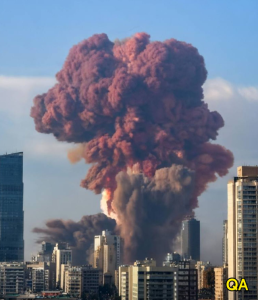
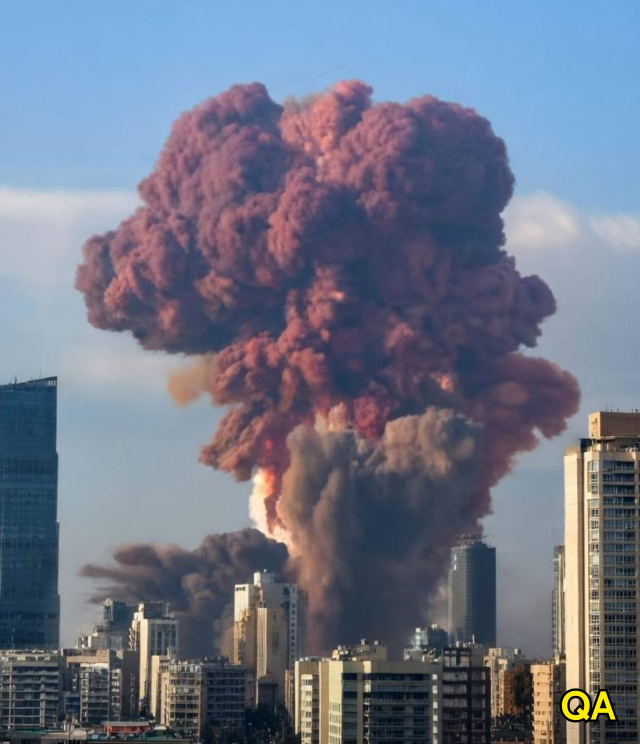
The South Pars field — jointly operated by Iran and Qatar — is crucial to Iran’s economy, accounting for a large percentage of its natural gas production and related petrochemical output. Strikes on key facilities have reportedly triggered major explosions and structural damage, according to early visuals circulating from the Asaluyeh energy complex.
While details are still emerging, the attack appears to go beyond isolated military targets and touches on Iran’s economic backbone, potentially affecting energy markets and international oil and gas supplies if infrastructure remains offline for any extended period.
1. What Happened at South Pars — and Why It Matters
The South Pars gas field is one of the largest energy hubs on the planet, supporting a vast portion of Iran’s natural gas exports and domestic energy needs. Its sudden targeting is unprecedented in scale and ambition.
According to preliminary reporting:
- Israeli strikes hit major processing facilities and pipelines in the complex, causing substantial explosions and visible damage.
- Iranian Revolutionary Guard Corps (IRGC) sources are already vowing retaliation, signaling that the conflict could spread to energy targets beyond Iran’s borders.
- Analysts warn that disruptions at South Pars could reverberate through global energy markets, especially if temporary shutdowns or extended repairs are required.
At this early stage, it’s unclear whether other global powers were forewarned in advance of the operation — but the timing and precision of the strikes suggest significant planning and intelligence capability.
2. Broader Context: Middle East Conflict Dynamics
This event doesn’t occur in a vacuum. It follows months of intense hostilities involving Israel, Iran, the United States, and various proxy forces in the region.
Israel and Iran at War
In early 2026, the conflict between Israel and Iran escalated dramatically into open confrontation, with air raids, missile strikes, and reciprocal attacks pushing the situation toward a larger regional war. Israeli officials previously declared large air operations aimed at dismantling Iranian missile capabilities and other strategic assets.
The conflict has not remained localized. There have been reports of:
- Israeli troops deployed into Lebanese territory amid hostilities with Hezbollah after projectile exchanges.
- Cases of Iranian retaliatory strike warnings and broader regional tensions involving neighboring states.
- Intensified U.S. military involvement alongside Israeli forces in various capacities.
These developments have made the Middle East one of the most volatile regions in the world, with the potential for dramatic escalation at any time.
3. U.S. Military and Strategic Involvement
The United States has been deeply involved in the conflict from multiple angles — militarily, diplomatically, and logistically.
Humanitarian Aid to Gaza
Meanwhile, in the longer-running Israel–Hamas conflict, the U.S. military completed installation of a floating pier designed to deliver humanitarian aid into Gaza. This infrastructure aims to facilitate badly needed food, medicine, and supplies to civilians in the Gaza Strip after months of sustained fighting and restricted ground crossings.
This development underscores the complicated strategic balance the U.S. faces: supporting humanitarian relief while being deeply involved in broader regional conflicts.
Broader U.S.–Israel War Effort
Earlier reporting indicated that U.S. forces, alongside Israeli military operations, had been engaged in prolonged offensive actions targeting Iranian missile capabilities and other strategic targets — with statements from senior U.S. officials emphasizing the effort to degrade those capabilities “to the ground.”
U.S. defense leadership also described the widening conflict with Iran as intensifying, with operations against Iranian naval assets and missile infrastructure reported.
4. Strategic Implications of Striking South Pars
Attacking a major energy hub like South Pars represents a qualitative shift in the nature of this conflict. Up until now, most confrontations involved missile exchanges, localized strikes, and attacks on weapon systems or military infrastructure. Strikes on energy infrastructure — especially one with such global significance — bring far broader implications:
Regional Economic Impact
- Damaged facilities could reduce Iran’s capacity to export natural gas.
- Oil and gas markets may react sharply to the uncertainty.
- Neighboring producers (including Qatar) could face ripple effects in regional pricing and logistics.
Political and Diplomatic Fallout
- Iran’s leadership is likely to respond forcefully, either through counterstrikes or asymmetric measures.
- Global powers may be pulled into diplomatic or strategic responses, and alliances could be tested.
- Countries dependent on Gulf energy supplies are watching closely for potential disruptions.
Civilian Impact and Humanitarian Concerns
Beyond the military and economic layers, civilian populations in Iran — particularly in provinces reliant on South Pars for energy and employment — could face long-term hardships if the facility is offline for an extended period.
5. Global Security Repercussions
The international community is already bracing for fallout. A significant escalation in the Middle East has multiple risks:
- Oil and natural gas price spikes that could impact global energy markets.
- Heightened military alert levels among allied nations.
- Potential expansion of conflict zones, including spillover into neighboring states or international waters.
Diplomats around the world are likely to engage in intensive shuttle diplomacy in the coming days, attempting to contain further escalation and avoid a broader regional war.
6. What Comes Next: Critical Questions
As this story continues to develop, several key questions remain unanswered:
- How will Iran respond? Officials in Tehran have already vowed retaliation. The form and timing of that response could determine whether this becomes a limited escalation or a full‑blown regional war.
- Will global powers intervene diplomatically? Nations with stakes in Gulf stability — including U.S. allies in Europe and Asia — may push for de‑escalation or sanctions to prevent further conflict.
- Are energy markets prepared? If South Pars remains offline, even temporarily, the energy shock could cascade into global supply pressures.
- How will neighboring countries react? Neighboring Gulf states, already on high alert, could be forced to choose whether to align more closely with one side or pursue neutrality.
Conclusion: A Breaking Strategic Moment
The targeting of Iran’s South Pars gas field by Israeli forces — if confirmed as a deliberate, full‑scale strike — represents a monumental escalation in Middle East hostilities. It has the potential to reshape energy markets, redraw strategic allegiances, and prompt diplomatic crises on multiple fronts. Combined with existing conflicts involving the United States, Iran, and allied forces, the region stands at a precarious inflection point.
The situation remains fluid. Analysts, governments, and global markets will be watching closely as more verified information emerges in the coming hours and days.