IRAN SHOCKED THE WORLD AGAIN — BUT HERE’S WHAT’S REALLY HAPPENING
The phrase “Iran shocked the world again” has been echoing across headlines, social media, and conversations everywhere—but this time, it’s not just hype. It reflects a deeply complex, rapidly escalating situation that has sent shockwaves through global politics, energy markets, and everyday life. To understand why the world is reacting so strongly, you have to look at the full picture—because what’s happening isn’t just one event. It’s a chain reaction.
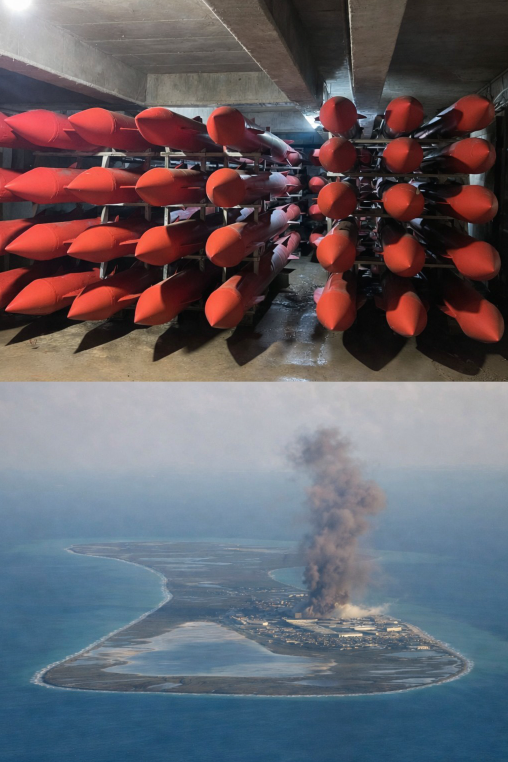
At the center of it all is a growing regional war that has expanded far beyond expectations. Iran has not only continued launching missiles and drones, but has also demonstrated that it still possesses a large and dangerous arsenal—despite ongoing U.S. and allied strikes. Intelligence reports suggest that only about one-third of Iran’s missile capabilities have been destroyed, meaning the country still has significant firepower left.
That alone is enough to rattle the world—but it doesn’t stop there.
Iran has also expanded its strategy beyond direct confrontation. One of the most alarming developments is its use of allied groups across the region. Iran-backed forces, including the Houthis in Yemen, have entered the conflict, launching attacks that threaten critical global shipping routes. This is where things move from “regional conflict” to “global crisis.”
Why? Because of geography.
Two of the most important shipping choke points in the world—the Strait of Hormuz and the Bab el-Mandeb Strait—are now under threat. These narrow waterways handle a massive portion of the world’s oil and trade. When Iran or its allies disrupt them, the ripple effects are immediate: oil prices spike, supply chains slow, and economies everywhere feel the pressure.
In fact, recent developments show that tanker traffic through the Strait of Hormuz has nearly collapsed, with shipping dropping dramatically amid fears of attack. That’s not just a military issue—it’s something that affects gas prices, food costs, and global stability.
This is one of the key reasons people say the world is “shocked.” It’s not just about missiles—it’s about impact.
But the situation becomes even more intense when you look inside Iran itself.
The country is facing one of the worst internal crises in its modern history. Economic collapse, inflation, and widespread poverty have pushed millions to the brink. At the same time, protests have erupted across the country—and the government’s response has been severe. Reports indicate that thousands, possibly tens of thousands, of civilians have been killed in crackdowns.
To control the situation, authorities imposed a near-total internet blackout, effectively cutting the country off from the outside world. That means much of what’s happening inside Iran remains hidden, adding another layer of uncertainty and fear.
So while the world sees missiles and headlines, there’s also a quieter, more tragic story unfolding within the country itself—one of unrest, suppression, and survival.
Meanwhile, political tensions are escalating just as fast as the military ones.
Leaders in the United States have made it clear that the conflict is far from over. Officials say operations will continue until Iran’s ability to threaten the region is significantly reduced. At the same time, opposition figures from Iran are warning against negotiating with the current government, arguing that it would only delay future conflict rather than resolve it.
This creates a dangerous dynamic: no clear path to peace, rising pressure on all sides, and a growing risk that the conflict could spread even further.
And that’s the real reason behind the phrase “Iran shocked the world again.”
It’s not just one shocking moment—it’s the accumulation of multiple realities happening at once:
- A military conflict that refuses to slow down
- A global economy being shaken by disrupted trade routes
- Regional alliances pulling more countries into the tension
- Internal unrest inside Iran reaching critical levels
- Political leaders signaling that the situation may escalate further
Put all of that together, and you get a world on edge.
But here’s the important part: “shock” doesn’t always mean surprise—it often means realization.
The world is realizing just how interconnected everything is. A missile launched in one region can raise gas prices thousands of miles away. A blocked shipping route can impact food supplies across continents. A political decision can trigger reactions that no one fully controls.
That’s the deeper story behind the headlines.
Iran hasn’t just shocked the world with one action—it has revealed how fragile the global balance really is.
And as events continue to unfold, one question remains at the center of it all: