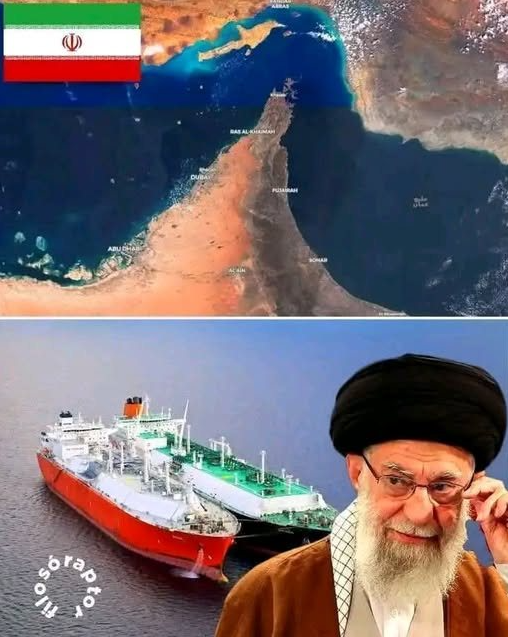
🚨 BREAKING NEWS: IRANIAN PARLIAMENT MOVES TO CLOSE THE STRAIT OF HORMUZ 🚨
In a dramatic and potentially world-altering development, Iran’s parliament has reportedly approved a measure that could lead to the closure of the Strait of Hormuz, one of the most vital energy transit chokepoints on Earth. The move comes amid escalating regional tensions, raising fears of a broader geopolitical crisis that could disrupt global oil supplies, spike energy prices, and heighten the risk of military confrontation.
The Strait of Hormuz is not just a narrow stretch of water—it is a critical artery of the global economy. Roughly 20% of the world’s oil supply passes through this corridor daily, connecting major oil producers in the Persian Gulf to international markets. Countries such as Saudi Arabia, Iraq, Kuwait, and the United Arab Emirates depend heavily on this route to export their crude oil.
Any disruption here doesn’t just affect the Middle East—it sends shockwaves across continents. From gas prices in the United States to manufacturing costs in Asia and Europe, the ripple effects are immediate and far-reaching.
⚠️ Why This Move Matters
The parliamentary approval signals a significant escalation in Iran’s stance amid growing tensions with Western powers and regional rivals. While this decision does not automatically mean the strait will be closed, it grants authority and political backing for such an action if deemed necessary by Iran’s leadership.
Historically, Iran has threatened to block the Strait of Hormuz during periods of heightened conflict, but it has never fully executed such a closure. Doing so would likely be seen as an act of aggression by the international community and could provoke a swift military response, particularly from the United States and its allies.
💣 Rising Tensions and Strategic Calculations


The decision comes against a backdrop of increasing friction involving sanctions, military posturing, and diplomatic breakdowns. Iran has long argued that its actions are defensive, particularly in response to economic sanctions that have severely impacted its economy.
However, closing the Strait of Hormuz would be a high-risk strategy. It could temporarily give Iran leverage over global markets, but it would also isolate the country further and potentially trigger direct conflict. The U.S. Navy maintains a strong presence in the region specifically to ensure freedom of navigation through this critical passage.
📈 Economic Shockwaves Already Beginning
Even the possibility of a closure is enough to rattle global markets. Oil prices often surge on mere speculation of instability in the Strait of Hormuz. Analysts warn that if the waterway were actually blocked, prices could skyrocket dramatically, leading to inflation, supply shortages, and economic strain worldwide.
Energy-importing nations would be hit hardest, particularly those heavily reliant on Middle Eastern oil. Meanwhile, alternative suppliers may struggle to meet sudden spikes in demand, creating further imbalance.
🕊️ What Happens Next?
The world now watches closely. Diplomatic channels may intensify in an attempt to de-escalate the situation, but uncertainty remains high. Key questions include:
-
Will Iran follow through with the closure?
-
How will global powers respond?
-
Can diplomacy prevent a wider conflict?
For now, shipping continues through the Strait of Hormuz, but tensions are at a boiling point. One miscalculation could shift the situation from political maneuvering to open confrontation.
🚨 Final Thoughts
This development is a stark reminder of how interconnected the world truly is. A single decision in one region can send shockwaves across the globe, affecting economies, security, and everyday lives. The coming days will be critical in determining whether this is a strategic warning—or the beginning of something far more serious.