BREAKING: Iranian Parliament Approves Closure of the Strait of Hormuz—Global Tensions Surge
In a dramatic and highly consequential move, Iran’s parliament has reportedly approved a measure to close the Strait of Hormuz, one of the most strategically vital waterways in the world. The decision, if carried out, could send shockwaves through global markets, escalate military tensions, and disrupt the flow of energy supplies on a massive scale.
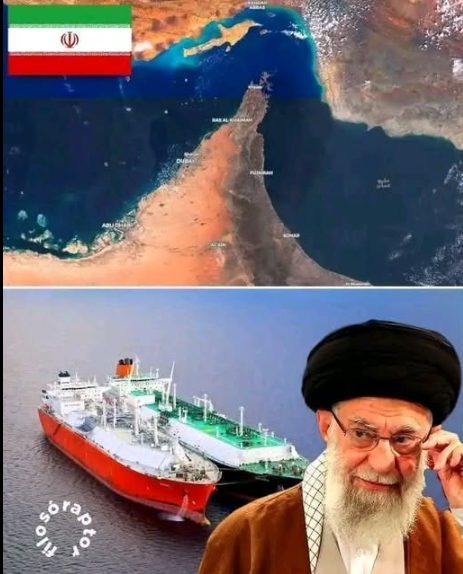
The Strait of Hormuz is not just another shipping lane. It is a narrow passage connecting the Persian Gulf to the Arabian Sea, and nearly a fifth of the world’s oil supply passes through it daily. Any disruption to this route has immediate and far-reaching consequences, affecting economies, governments, and everyday consumers across the globe.
The announcement comes amid rising tensions in the region, with ongoing disputes involving Iran and several Western nations. While Iran has previously threatened to close the strait during periods of heightened conflict, such a move has never been fully executed. This latest development, however, signals a more serious escalation, at least politically.
According to initial reports, Iranian lawmakers voted overwhelmingly in favor of the measure following what they described as “continued aggression and economic pressure” from foreign powers. The resolution is seen as both a warning and a strategic lever—one that could be used to exert influence on the global stage.
However, it is important to note that parliamentary approval does not automatically translate into immediate action. In Iran’s political system, such a decision would likely require further authorization from top leadership and military command structures before any physical enforcement could begin.
Even so, the implications are already being felt.
Global oil markets reacted almost instantly to the news, with prices spiking amid fears of supply disruptions. Energy analysts warn that even the threat of closure can create volatility, as traders and governments brace for worst-case scenarios. Countries heavily reliant on oil imports, particularly in Asia and Europe, are watching the situation closely.
Shipping companies are also on high alert. The Strait of Hormuz is a critical route not only for oil but also for natural gas and other goods. Any attempt to block or restrict passage could lead to rerouting, delays, and increased costs, all of which would ripple through global supply chains.
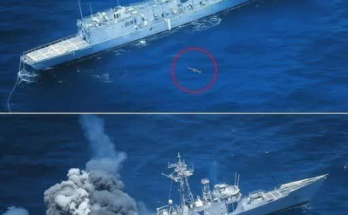
Military tensions are another major concern. The United States and its allies maintain a significant naval presence in the region, precisely to ensure freedom of navigation through the strait. Any move by Iran to enforce a closure would likely be met with a strong response, raising the risk of direct confrontation.
Defense analysts caution that even limited skirmishes could quickly escalate, given the strategic importance of the area. The narrowness of the strait—at some points only about 21 miles wide—makes it particularly vulnerable to blockades, mines, or other forms of disruption.
Within Iran, the decision is being framed as a matter of national sovereignty and defense. Officials argue that the country has the right to respond to external pressures, including economic sanctions and military threats. Supporters of the measure see it as a bold assertion of power in the face of what they perceive as ongoing hostility.
Critics, however, warn that such a move could backfire, isolating Iran further and potentially triggering severe economic and military consequences. Iran itself relies on the strait for its own exports, meaning any closure would also impact its domestic economy.
International reactions have been swift and cautious. Governments around the world are calling for restraint and urging diplomatic solutions. The United Nations has emphasized the importance of maintaining open shipping lanes, while various countries have begun contingency planning to mitigate potential disruptions.
Energy experts point out that while alternative routes exist, they cannot fully replace the capacity of the Strait of Hormuz. Pipelines and other shipping lanes can only handle a fraction of the volume that passes through the strait, making it irreplaceable in the short term.
For ordinary people, the effects could be محسوس in everyday life. Rising fuel prices would likely be the most immediate impact, affecting transportation costs, goods, and services. In a global economy already facing various pressures, such a shock could add to inflation and economic uncertainty.
Financial markets are also reacting, with increased volatility as investors assess the risks. Stocks tied to energy, shipping, and defense sectors are particularly sensitive to developments in the region.
Despite the alarming headlines, some experts urge caution in interpreting the situation. Iran has used similar threats in the past as a form of strategic signaling rather than immediate action. The gap between political approval and operational enforcement remains significant.
Still, the current context—marked by heightened geopolitical tensions—makes this development more concerning than previous instances. The combination of political rhetoric, military readiness, and economic pressure creates a volatile environment where miscalculations could have serious consequences.
As the situation continues to unfold, the world is watching closely. Diplomatic channels are likely to be active behind the scenes, as global powers seek to de-escalate tensions and prevent a crisis that could have far-reaching implications.
For now, the closure of the Strait of Hormuz remains a possibility rather than a reality. But even as a possibility, it is enough to unsettle markets, governments, and millions of people who depend—directly or indirectly—on the steady flow of goods through one of the world’s most critical waterways.
The coming days will be crucial in determining whether this development remains a political statement or becomes a turning point in an already tense geopolitical landscape.