Why “Sad News” Headlines Go Viral So Fast 😢
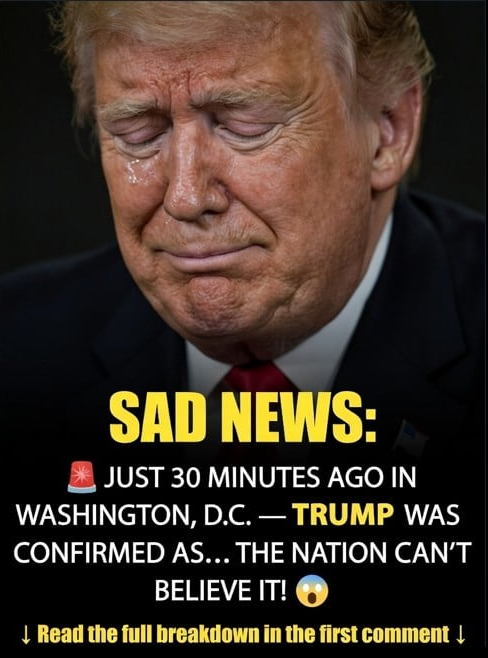
Posts that start with emotional phrases like “SAD NEWS,” “BREAKING,” or “20 minutes ago” are designed to trigger an immediate reaction. When people feel shock, fear, or sadness, they are much more likely to click, comment, or share.
Social media algorithms often reward posts that generate strong emotional responses. That means dramatic headlines about celebrities, politicians, or world leaders can travel across the internet extremely fast—even when the information hasn’t been verified.
For public figures like Donald Trump, rumors can spread within minutes because millions of people are already paying attention to anything related to them.
The “See More” or “Check First Comment” Trick
Another common pattern in viral posts is telling readers to “See More” or “Check the first comment.”
This tactic is often used to:
-
Increase engagement (comments and clicks)
-
Push the post higher in social media feeds
-
Direct readers to an external website full of ads
In many cases, when someone clicks through, they discover that the headline doesn’t match the story at all. Sometimes the story is unrelated, outdated, or completely fabricated.
What Happens When Real News Breaks 📰
When a genuine major event involving a U.S. president or former president occurs, several things happen almost immediately:
-
Major news outlets publish alerts
Organizations like CNN, Reuters, BBC, and the Associated Press would all report it at the same time. -
Official statements are released
Government officials and the White House press office provide updates. -
Journalists confirm the details
Professional reporters verify information with multiple sources before publishing.
Because of these processes, real news tends to appear across many reliable sources simultaneously, not just in a single viral social media post.
Why Rumors About Famous People Spread
Public figures are frequent targets for online rumors because they attract attention. Celebrities, politicians, and athletes often become the subject of false reports about:
-
Deaths
-
Arrests
-
Health scares
-
Secret scandals
These stories spread easily because people are curious and emotionally invested in public personalities.
For example, rumors about well-known leaders, actors, or musicians circulate online every year—even when the claims are completely false.
The Real Impact of Viral Hoaxes
Although some people see these posts as harmless, they can have real consequences.
False news stories can:
-
Cause unnecessary panic among supporters or family members
-
Spread confusion across social media
-
Damage public trust in legitimate news sources
-
Distract people from actual important events
When misinformation spreads quickly, it can take hours—or sometimes days—for the truth to catch up.
How to Quickly Fact-Check a Viral Headline 🔎
If you see a shocking headline online, there are a few quick steps you can take to check whether it’s real.
1. Search the name in Google News
If something major happened to a political figure, dozens of reputable outlets will report it instantly.
2. Look for multiple sources
Real breaking news rarely comes from only one page or account.
3. Check the date and source
Sometimes old stories are reposted and presented as new.
4. Avoid posts that rely on vague wording
Headlines that say “confirmed as…” but hide the rest behind “See more” are often designed to manipulate readers.
Why Responsible Sharing Matters
Every time someone shares a dramatic headline without checking it, the rumor spreads further. Even well-meaning users can accidentally help misinformation reach thousands or even millions of people.
Taking a few seconds to verify a claim before sharing it helps keep social media more accurate and trustworthy.
✅ The bottom line:
There is no confirmed report that the situation described in that viral-style headline has happened to Donald Trump in Washington, D.C.. Posts that use emotional wording and “See More” prompts are often designed to go viral rather than provide verified news.