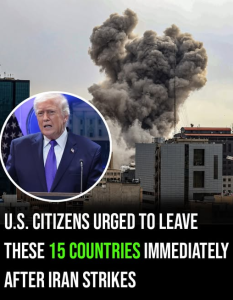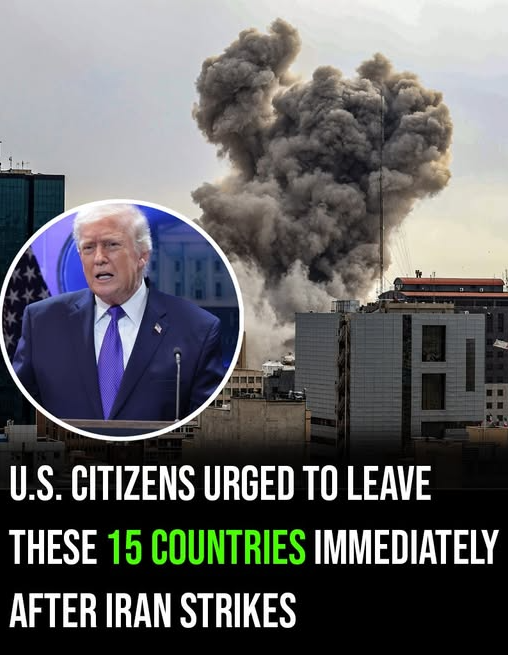
Headlines that warn people to “leave immediately” often spread quickly online. They create urgency, fear, and curiosity. But behind those dramatic phrases there is usually a deeper story about geopolitical tension, economic instability, environmental risk, or humanitarian crises. While most people will never face a sudden need to abandon their country, there are places in the world where ongoing conditions make life extremely difficult and sometimes dangerous.
Below is a look at 15 countries that are often mentioned in global risk discussions due to conflict, instability, or severe humanitarian challenges. This does not mean everyone should literally flee these places—millions of people continue to live their lives there—but the situations in these regions highlight how fragile stability can be.
One country frequently discussed is Afghanistan. Decades of conflict, political upheaval, and economic hardship have made life extremely challenging for many residents. After the dramatic events of the Fall of Kabul, the country entered a new political era that continues to bring uncertainty. Limited economic opportunities, international sanctions, and humanitarian shortages have made daily survival difficult for large parts of the population.
Another country facing severe challenges is Ukraine. Since the start of the Russian invasion of Ukraine, millions of people have been displaced. Cities have faced repeated attacks, infrastructure damage, and widespread disruption to normal life. Although many Ukrainians remain in their homeland with incredible resilience, the ongoing conflict has forced others to seek safety elsewhere.
Syria has endured one of the longest humanitarian crises of the 21st century. The Syrian Civil War, which began in 2011, devastated entire cities and displaced millions of people both internally and across borders. While some regions have stabilized somewhat, large portions of the population still face economic collapse, damaged infrastructure, and limited access to essential services.
In Yemen, years of conflict have produced what many organizations describe as one of the world’s worst humanitarian crises. The Yemeni Civil War has severely damaged infrastructure and disrupted food supply systems. Many families rely heavily on international aid to survive, and economic opportunities remain extremely limited.
Another nation frequently mentioned in discussions about instability is Sudan. Violence and political unrest escalated sharply during the Sudan conflict between rival military factions. Large parts of the population were forced to flee their homes, and basic services such as electricity, medical care, and transportation were heavily disrupted.
Haiti is another country facing extraordinary challenges. Political instability, economic collapse, and powerful gang activity have created a climate of insecurity in many areas. Natural disasters such as the 2010 Haiti earthquake also left long-lasting impacts that the country continues to struggle with today.
In Africa, Somalia has battled instability for decades. Armed groups, political fragmentation, and recurring droughts have created difficult living conditions. Humanitarian organizations continue to work there, but millions still face food insecurity and displacement.
Myanmar has also experienced intense turmoil since the Myanmar military coup. Protests, armed resistance, and military crackdowns have led to widespread unrest and displacement in many parts of the country.
Another place often mentioned in risk discussions is Venezuela. Severe economic collapse, hyperinflation, and political tension have driven millions of citizens to leave in search of opportunities elsewhere. Although the country still possesses enormous natural resources, economic recovery has been slow and uncertain.
North Korea is unique on this list because its challenges are largely tied to isolation and strict government control. While open conflict is rare, the country’s closed political system and limited economic freedom create a very different reality compared to most nations.
In the Sahel region, Mali has faced repeated coups and growing security threats from extremist groups. Political instability and insecurity have complicated efforts to rebuild infrastructure and improve economic opportunities.
Burkina Faso has also struggled with rising insurgent violence and political instability. Large rural regions have been affected by conflict, forcing thousands of families to relocate.
Another country frequently mentioned in discussions about governance challenges is Libya. Since the Libyan Civil War, the nation has experienced competing governments and fragmented control of territory. Although some areas remain stable, political divisions continue to affect national unity.
Ethiopia has faced significant internal conflict in recent years, particularly during the Tigray War. While peace agreements have reduced fighting in some areas, the effects of the conflict are still being felt.
Finally, Iraq continues to rebuild after decades of war and instability. The legacy of the Iraq War and the fight against extremist groups has left lasting challenges for infrastructure, governance, and economic growth.
Despite the difficulties faced by these countries, it is important to remember that they are also home to rich cultures, resilient communities, and people working every day to improve their circumstances. Media headlines sometimes simplify complex realities into dramatic statements like “it’s time to leave,” but the truth is far more nuanced.
Millions of people continue to live, work, raise families, and support their communities in these places. International aid groups, local organizations, and governments are constantly working toward recovery and stability.
The lesson behind lists like this is not necessarily that people should abandon entire countries, but that global stability can never be taken for granted. Political tensions, economic shocks, environmental disasters, and conflicts can reshape entire regions faster than many expect.
Understanding these challenges encourages greater awareness of the world and empathy for those living through crises. It also reminds us that stability, peace, and opportunity are precious conditions that require constant effort to maintain.
In the end, the world is interconnected. Events in one region often influence economies, migration patterns, and political decisions across the globe. Paying attention to these developments helps people understand the complex reality behind dramatic headlines—and why international cooperation remains so important for a more stable future