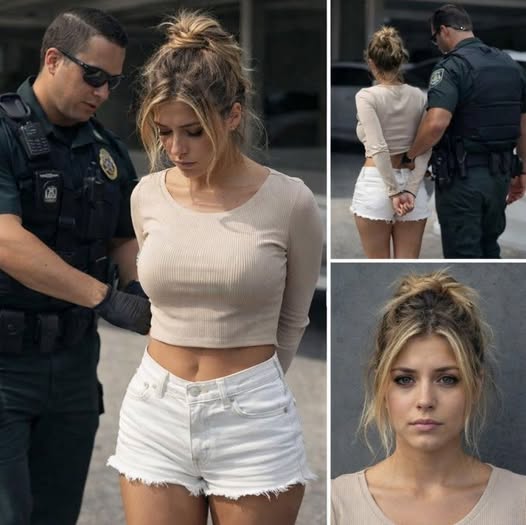
When a Private Act Becomes Public, the Internet Rushes to Fill the Gaps
In the digital age, the boundary between private life and public exposure has become thinner than ever before. A single moment—captured on a phone, recorded by a camera, or leaked from a private conversation—can suddenly transform from a personal experience into a global spectacle. Once something private becomes public, the internet moves quickly to interpret it, analyze it, and often reshape it. In many cases, the story spreads faster than the facts, and the online world rushes to fill the gaps with speculation, opinions, and assumptions.
The internet thrives on information, but it also thrives on mystery. When people encounter an incomplete story—especially one involving something personal or controversial—the human mind naturally tries to make sense of it. Social media platforms amplify this instinct. Within minutes of a private act becoming public, thousands of people may begin discussing what happened, why it happened, and what it might mean. The result is a massive, decentralized investigation carried out by strangers across the globe.
Sometimes the initial information is vague or incomplete. A short video clip might appear online without context. A screenshot of a message might circulate without verification. A rumor might begin with a single anonymous post. But once the content begins spreading, it often takes on a life of its own. People start building narratives around it, connecting small details, interpreting facial expressions, or analyzing tone and body language. Each person adds their own interpretation, and gradually a collective story begins to form.
This process can happen incredibly fast. In the past, rumors spread through word of mouth or traditional media, which took time. Today, social media allows millions of people to react instantly. Within hours, hashtags trend, memes appear, and online discussions multiply across platforms. The speed of this reaction can overwhelm the individuals involved, especially if they never intended their private moment to be seen by anyone outside a small circle.
One reason the internet reacts so strongly to these situations is curiosity. People are naturally drawn to stories that reveal something hidden. A private act that suddenly becomes public feels like a glimpse behind the curtain of someone’s life. It invites questions: What really happened? Who was involved? Was it intentional, accidental, or misunderstood?
Because the public rarely has access to the full truth, speculation fills the void. Online users become detectives, piecing together fragments of information. Some search for older posts, photos, or comments that might provide clues. Others attempt to identify locations, timestamps, or background details in videos. While some of these efforts are harmless curiosity, others can cross the line into invasion of privacy or harassment.
Another factor is the internet’s tendency to reward attention. Posts that generate strong reactions—shock, outrage, humor, or disbelief—are more likely to be shared widely. As a result, the most dramatic interpretations often gain the most visibility. Nuanced explanations or cautious analysis may exist, but they are often drowned out by louder voices and viral content.
The individuals at the center of the story may suddenly find themselves facing a level of scrutiny they never expected. A private action, once exposed, can trigger a flood of commentary from strangers who feel entitled to judge or analyze the situation. Even if the original act was harmless or misunderstood, the online reaction can magnify it into something much larger.
For many people, this experience can be overwhelming. Personal details may be dissected publicly, and narratives about their character or intentions may emerge without their input. The emotional impact can be significant, especially when misinformation spreads faster than corrections.
At the same time, the internet’s rapid response is not always negative. In some cases, online communities can help uncover important truths. When something suspicious or unjust becomes public, collective attention can bring accountability. Crowdsourced information can sometimes reveal facts that might otherwise remain hidden. This power has played a role in exposing corruption, documenting injustice, and supporting individuals who might not have a platform on their own.
However, the same collective energy can also create problems when it operates without reliable information. Misidentifications, false accusations, and exaggerated stories can spread quickly. Once a narrative becomes widely accepted online, it can be difficult to correct, even when evidence later proves it wrong.
One of the most striking aspects of these situations is how quickly the internet constructs meaning from limited information. A short clip, a blurry image, or a partial message can spark thousands of interpretations. Each interpretation reflects the beliefs, biases, and experiences of the person sharing it. As a result, the story evolves with each retelling.
The design of social media platforms contributes to this dynamic. Algorithms prioritize engagement, meaning content that sparks reactions is pushed to more people. When a private act becomes public, the emotional responses it generates—surprise, curiosity, outrage—drive further visibility. The story spreads not only because people want to know what happened, but also because they want to participate in the conversation.
Another important factor is anonymity. Many people online feel freer to express strong opinions when they are not personally accountable for their words. This can encourage harsher judgments and more extreme speculation. A person who might hesitate to criticize someone face-to-face may feel comfortable doing so behind a screen name.
Despite these challenges, moments like these also reveal something deeper about human behavior. People want to understand the stories unfolding around them. They seek patterns, explanations, and meaning. When information is incomplete, imagination fills the gaps.
The key difference in the digital era is scale. What once might have been a small rumor within a community can now become a global conversation involving millions of participants. The speed and reach of the internet amplify both curiosity and misunderstanding.
In many ways, the phenomenon reflects the broader transformation of privacy in the modern world. Smartphones, cameras, and constant connectivity mean that almost any moment can potentially become public. A private act that once would have remained unseen can now be recorded, shared, and discussed worldwide.
This reality raises important questions about responsibility—both for those who share information and for those who consume it. Before reacting to a viral story, it may be worth asking what facts are actually known and what might simply be speculation.
When a private act becomes public, the internet rarely waits for complete answers. Instead, it moves quickly to interpret the moment, filling in missing pieces with imagination, opinion, and collective storytelling. In that rush to understand, the line between truth and assumption can blur.
Ultimately, the phenomenon reflects both the power and the complexity of the connected world we live in. The internet can illuminate hidden truths, but it can also magnify uncertainty. And whenever a private moment suddenly enters the public sphere, the global conversation that follows becomes part of the story itself