US Navy Launched Something That Shouldn’t Exist… Iran Can’t Stop It
In the rapidly evolving world of modern warfare, technology often determines the balance of power. Over the past decade, the United States has invested billions of dollars in advanced weapons systems designed to counter emerging threats from rivals such as Iran, China, and Russia. Among the most controversial developments are directed-energy weapons, including powerful microwave and laser systems mounted on naval ships. Some analysts describe these weapons as technology that “shouldn’t exist” because of how dramatically they could change combat at sea.
These systems represent a new generation of defense capable of destroying enemy drones, missiles, and electronics at the speed of light. In potential conflicts with Iran, especially in strategic waterways like the Strait of Hormuz, these capabilities could give the U.S. Navy a decisive advantage.
The Changing Battlefield
Traditional naval combat relied heavily on missiles, guns, and torpedoes. Warships carried limited numbers of these weapons, and once ammunition was depleted, they had to retreat or resupply.
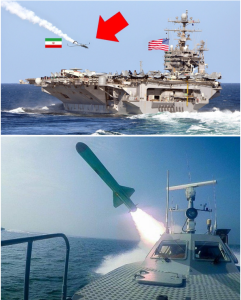
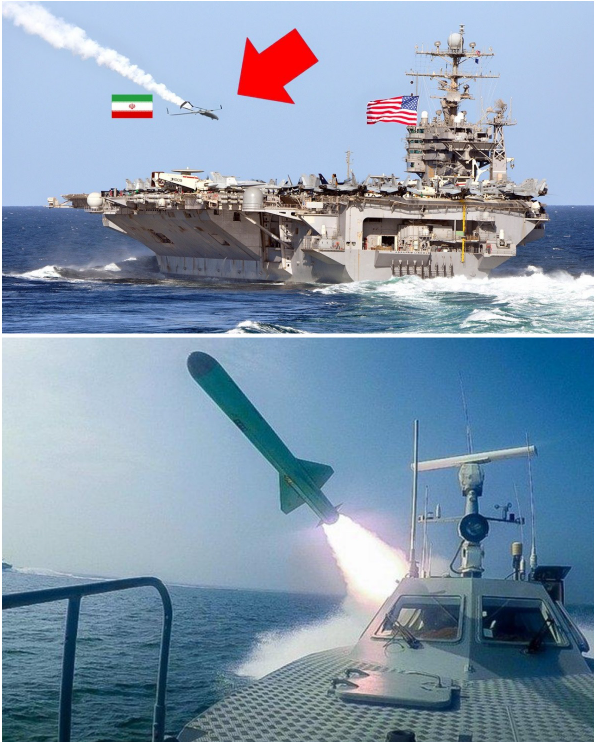
Iran has attempted to exploit this limitation through asymmetric warfare. Rather than competing directly with American aircraft carriers and destroyers, Iran focuses on tactics such as:
-
Swarms of inexpensive attack drones
-
Fast missile boats
-
Anti-ship missiles launched from land
-
Naval mines and unmanned underwater vehicles
Many of these weapons are cheap and easy to produce, meaning Iran could potentially overwhelm expensive Western defenses through sheer numbers. For example, some Iranian drones cost tens of thousands of dollars, while the missiles used to intercept them may cost millions.
This imbalance forced the U.S. military to rethink its approach.
The Rise of Directed-Energy Weapons
To counter mass drone attacks and missile swarms, the U.S. Navy began developing directed-energy systems. These weapons do not rely on traditional ammunition. Instead, they project energy beams capable of damaging electronics, burning through structures, or disabling engines.
Two major categories are now being tested or deployed:
1. Laser Weapons
Laser systems such as the HELIOS weapon mounted on destroyers can shoot concentrated beams of light that instantly heat and destroy targets. These lasers can burn through drones, disable sensors, or ignite fuel systems.
In recent military operations, laser technology has reportedly been used to intercept incoming drones and missiles before they reach ships or bases. The technology works especially well against smaller aerial threats because it can strike them almost instantly after detection.
One of the biggest advantages of lasers is cost. Each shot may cost only a few dollars in electricity compared to expensive interceptor missiles.
2. High-Power Microwave Weapons
Another emerging system is a high-power microwave weapon, sometimes described as an electronic “shockwave.” Instead of physically destroying a target, it emits a burst of energy that fries electronic circuits.
When aimed at a drone swarm, the microwave blast can disable multiple drones simultaneously by destroying their navigation and control systems.
This capability is particularly important because many modern attacks rely on large groups of inexpensive autonomous drones. A single microwave pulse could neutralize an entire swarm in seconds.
Why This Technology Is So Important
The Strait of Hormuz is one of the most strategically important waterways in the world. Nearly one-fifth of global oil shipments pass through the narrow corridor between Iran and Oman.
In times of tension, Iran has repeatedly threatened to block or disrupt shipping in the region. Historically, conflicts between the United States and Iran in this area have included naval clashes and strikes against Iranian assets.
For example, during the late stages of the Iran-Iraq War, the United States launched Operation Praying Mantis, a major naval attack that destroyed Iranian ships and oil platforms after a U.S. vessel struck a mine. The operation remains the largest surface naval battle fought by the U.S. Navy since World War II.
Today, however, warfare in the region looks very different. Instead of traditional fleets, threats often come from drones, missiles, and unmanned vehicles.
Directed-energy weapons were created specifically to deal with those challenges.
Recent Tensions With Iran
Recent events highlight how quickly tensions can escalate. In early 2026, clashes between U.S. forces and Iranian naval units intensified.
Reports indicate that American forces destroyed numerous Iranian vessels and even sank the Iranian frigate IRIS Dena during combat operations.
At the same time, U.S. destroyers and allied systems reportedly intercepted large numbers of Iranian drones and missiles during ongoing operations in the region. Some of these defensive successes were attributed to advanced technology, including laser weapons and satellite-based detection systems.
These developments suggest that the battlefield is shifting toward highly automated, technology-driven warfare.
Why Some Experts Say It “Shouldn’t Exist”
The phrase “something that shouldn’t exist” is often used in military commentary to describe weapons that fundamentally change the rules of combat.
Directed-energy weapons fall into this category because they offer capabilities that were once considered science fiction:
-
Unlimited ammunition (limited mainly by power supply)
-
Speed-of-light engagement
-
Low cost per shot
-
Ability to disable electronics without explosions
In theory, a single warship equipped with these systems could defend itself against hundreds of incoming drones.
For adversaries relying on swarm tactics, that could neutralize their biggest advantage.
Limitations and Challenges
Despite their promise, directed-energy weapons are not perfect.
Several challenges remain:
-
Power requirements: These systems require massive amounts of electrical energy, which limits how many ships can carry them.
-
Weather conditions: Fog, rain, and dust can weaken laser beams.
-
Range limitations: Some systems are most effective at shorter distances.
-
Countermeasures: Adversaries may develop reflective coatings or hardened electronics.
Iran, for example, continues to develop underwater drones, missile boats, and mine-laying vessels designed to complicate U.S. operations in narrow waterways like the Strait of Hormuz.
The Future of Naval Warfare
Even with these challenges, most defense analysts believe directed-energy weapons will play a central role in the future of naval combat.
In coming years, the U.S. Navy plans to integrate these systems with advanced radar networks, satellites, and artificial intelligence. The goal is to create layered defenses capable of identifying threats instantly and destroying them before they reach their targets.
If successful, this technology could redefine maritime security and dramatically alter the balance of power in regions where drone and missile warfare dominate.
For countries like Iran that rely heavily on inexpensive drones and asymmetric tactics, these systems could make traditional strategies far less effective.
In other words, the next naval war may not be fought primarily with missiles or guns—but with beams of energy traveling at the speed of light.