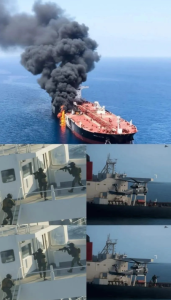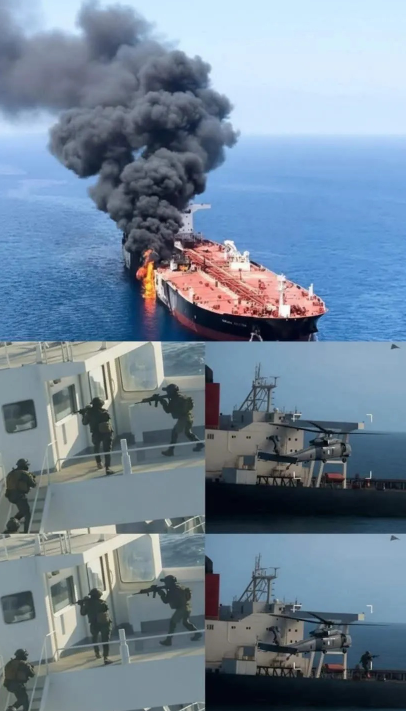
Reports that the U.S. Army captured a suspicious boat in Venezuelan waters have sparked widespread discussion about security, international law, and the growing tension surrounding maritime activity in the Caribbean region. While many details are still developing, the incident highlights the complex nature of modern naval operations and the role of the United States in monitoring regional security threats.
The operation reportedly took place during a coordinated maritime patrol near the coast of Venezuela. According to preliminary accounts, U.S. military personnel intercepted a vessel that had been moving through a monitored corridor known for illicit trafficking and unauthorized maritime activity. The vessel allegedly failed to respond to radio communications and appeared to be attempting to evade routine inspection.
Although the headline mentions the United States Army, maritime interceptions are often conducted with the support of multiple branches of the U.S. military, including the United States Navy and the United States Coast Guard. Joint operations like this are common in areas where drug trafficking, illegal fishing, and smuggling networks operate across international waters.
Officials familiar with the situation stated that the suspicious vessel was first identified by surveillance systems monitoring traffic routes between South America and the Caribbean. These systems are part of broader regional security programs coordinated with partner nations and international agencies to combat transnational crime.
When the vessel did not respond to repeated radio calls, a patrol unit was dispatched to investigate. Military personnel approached the boat carefully, following established protocols designed to prevent escalation. The crew of the intercepted vessel reportedly attempted to change course before ultimately being surrounded and ordered to stop.
After boarding the vessel, authorities conducted a detailed search. According to early reports, the boat was carrying several individuals whose identities and nationalities are still being verified. Investigators also examined the cargo on board, though officials have not yet confirmed whether the boat was transporting illegal substances, weapons, or other contraband.
Incidents like this are not uncommon in waters near Venezuela. Over the past decade, the Caribbean region has become a major transit route for smuggling operations moving between South America, Central America, and North America. Criminal organizations often use small, fast boats to transport drugs or other illegal goods across the sea in attempts to avoid detection.
The interception of suspicious vessels is part of a larger regional effort coordinated through organizations such as U.S. Southern Command, which oversees American military activities in Latin America and the Caribbean. These missions focus on disrupting criminal networks and supporting partner nations in maintaining maritime security.
The situation is particularly sensitive given the political relationship between the United States and Venezuela. Diplomatic ties between the two countries have been strained for years, especially during the presidency of Nicolás Maduro. As a result, any military activity involving vessels linked to Venezuelan waters can quickly attract international attention.
However, U.S. officials emphasize that maritime security operations are typically conducted in international waters and follow strict legal frameworks. These operations are designed to enforce international maritime law and protect trade routes rather than target any specific country.
Experts note that the Caribbean Sea remains one of the most strategically important waterways in the Western Hemisphere. Major shipping lanes pass through the region, connecting ports across North and South America with Europe and Asia. Maintaining security along these routes is critical for global commerce.
In addition to combating smuggling, maritime patrols also monitor human trafficking, illegal fishing, and environmental crimes. Small vessels are sometimes used by criminal groups because they can move quickly and blend into normal fishing traffic.
Following the capture of the vessel, the individuals on board were reportedly taken to a secure location for questioning. Authorities will likely determine whether the boat was involved in criminal activity or if the situation resulted from a misunderstanding or navigation error.
Investigations into maritime incidents often involve cooperation between multiple agencies. In the United States, organizations such as the Department of Defense and the Department of Homeland Security frequently work together when a vessel is suspected of violating international law or posing a potential security threat.
International partners may also be involved if the crew members are citizens of other countries or if the vessel originated from a foreign port. In such cases, diplomatic channels are used to resolve legal questions and determine how the case should proceed.
Security analysts say incidents like this illustrate the constant vigilance required to monitor maritime activity in the region. Thousands of vessels travel through Caribbean waters every day, making it a challenge for authorities to distinguish between legitimate commerce and suspicious operations.
Technology plays an increasingly important role in this effort. Satellite tracking, aerial surveillance, and radar systems help authorities identify unusual patterns of movement. Once a vessel is flagged as suspicious, patrol units can be deployed to investigate.
Despite the dramatic headlines that often accompany such incidents, many maritime interceptions end without major conflict. In most cases, crews comply with inspections once authorities make contact, and situations are resolved peacefully.
Still, every interception carries potential risks. Military personnel must approach unknown vessels cautiously, as there is always the possibility that those on board could be armed or involved in dangerous activities.
As more details about the captured boat emerge, officials are expected to release additional information about the cargo, the crew, and the purpose of the vessel’s journey. For now, the incident serves as another reminder of the ongoing efforts to maintain stability and security in one of the world’s busiest maritime regions.
Ultimately, the capture of the boat demonstrates how modern maritime security operations function. Through cooperation, surveillance technology, and coordinated patrols, authorities aim to keep international waters safe while preventing criminal networks from exploiting the vastness of the ocean.
While the full story is still unfolding, the event highlights the delicate balance between law enforcement, diplomacy, and regional security that shapes maritime operations throughout the Caribbean today.