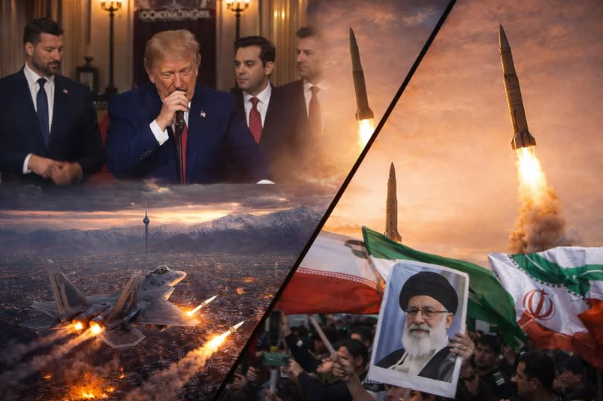
Rumors spread faster than truth, especially during moments of global tension. When headlines use urgent language and dramatic warnings, they trigger fear before facts have time to surface. In times of conflict, uncertainty creates space for speculation, and speculation often turns into viral claims that seem convincing but lack evidence. It is important to pause, breathe, and separate verified information from emotional reactions.
International conflicts are complex. Governments communicate through official channels, intelligence agencies analyze data carefully, and military decisions follow structured processes. Sudden claims about immediate attacks on entire nations rarely appear without clear confirmation from multiple credible sources. If an imminent threat to a specific region were identified, official emergency systems would activate quickly. Public alerts, coordinated statements, and visible protective measures would follow. Silence from those systems usually indicates that the dramatic claim circulating online is not grounded in confirmed intelligence.
Fear thrives in uncertainty. Social media platforms amplify urgent messages because people share them rapidly. The more shocking a statement appears, the faster it travels. However, speed does not equal accuracy. Responsible information requires verification, context, and confirmation from reliable institutions. Emotional language, capital letters, warning symbols, and vague phrases like see more are often designed to increase engagement rather than inform.
During geopolitical tensions, governments may elevate security levels, increase monitoring, or issue precautionary advisories. These steps are part of standard risk management. They do not necessarily mean that a direct attack is imminent. Security agencies continuously evaluate potential threats, including cyber activity, misinformation campaigns, and isolated acts of violence. Preparedness is ongoing, not evidence of an immediate strike.
Military conflict typically follows strategic patterns. Large scale operations require logistics, coordination, and observable movement. Such developments are rarely invisible to intelligence communities or global media. When credible threats emerge, official statements usually reflect them clearly. Anonymous viral posts without evidence should be approached with skepticism.
Psychologically, urgent warnings activate the fight or flight response. People feel compelled to share information quickly to protect others. While the intention may be protective, spreading unverified claims can increase panic unnecessarily. Calm analysis protects communities better than impulsive reaction.
It is also important to recognize the difference between heightened tensions and confirmed action. Diplomatic disputes, military posturing, sanctions, and cyber confrontations can occur without escalating into direct homeland attacks. International actors weigh consequences carefully. Escalation carries global implications, economic consequences, and political risks.
Media literacy plays a crucial role in moments like these. Before believing a dramatic claim, consider the source. Is it an official government agency, a recognized news organization, or an anonymous social media account? Does the claim cite specific evidence, or does it rely on vague language? Responsible reporting includes dates, named officials, and direct statements.
Governments maintain emergency communication systems specifically for real threats. These systems are designed to reach citizens quickly and clearly. If such systems remain inactive, it suggests there is no confirmed imminent event requiring public action. Remaining attentive to official channels is wiser than relying on viral posts.
Conflict narratives often evolve rapidly. Early reports may change as new information becomes available. That is why credible outlets update stories carefully rather than making sweeping declarations. Patience allows facts to stabilize.
National security agencies analyze satellite imagery, intercepted communications, and intelligence assessments before drawing conclusions. Their evaluations involve multiple layers of review. Dramatic claims appearing online within minutes rarely reflect that level of scrutiny.
History shows that misinformation spikes during international crises. Some actors intentionally spread exaggerated claims to create fear or manipulate public perception. Others share rumors unintentionally, believing they are helping. Either way, the result can be confusion and unnecessary anxiety.
Remaining calm does not mean ignoring global events. It means responding thoughtfully. Staying informed through reputable channels, avoiding speculative content, and resisting sensational language contribute to stability. Panic benefits no one.
In times of tension, communities should focus on resilience. Check official government websites, follow trusted news organizations, and avoid reposting unverified warnings. Encourage critical thinking in conversations. Ask for evidence before accepting claims.
Uncertainty can feel uncomfortable. Humans prefer clear answers, even if they are alarming. But clarity built on falsehood is more dangerous than temporary uncertainty. Responsible citizenship involves patience and discernment.
If a genuine emergency were developing, coordinated communication would appear across federal, state, and local levels. Instructions would be specific and actionable. Vague dramatic warnings without detail usually indicate rumor rather than reality.
International relations involve negotiation, deterrence, and strategic messaging. Public statements are often carefully crafted. Sudden unconfirmed claims rarely align with how governments communicate genuine threats.
Stability depends partly on how individuals respond to information. Choosing calm over panic reduces the spread of misinformation. Critical thinking protects not only oneself but also the broader community.