If You Spot a Painted Purple Fence, This Is What It Means
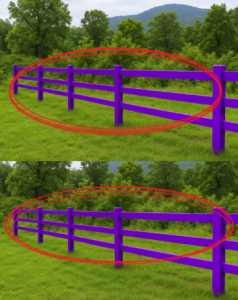
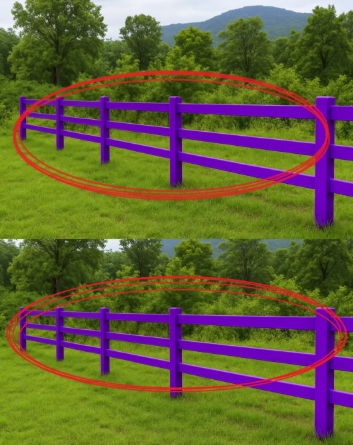
You’re walking along a quiet country road or hiking near wooded land when something unusual catches your eye—a fence post or tree marked with a streak of bright purple paint. At first glance, it might seem like a random splash of color or even an artistic choice. But in many parts of the United States, that purple marking carries a very specific and important message: No Trespassing.
This practice is known as the “Purple Paint Law,” and it serves as a legally recognized alternative to traditional “No Trespassing” signs. While not everyone is familiar with it, the meaning is clear to those who live in rural areas or work with land regularly. Understanding what it means can help you avoid accidentally crossing legal boundaries—and potentially facing serious consequences.
The Origin of the Purple Paint Law
The idea behind purple paint laws emerged as a practical solution to a common problem. Property owners, especially those with large areas of land, found it difficult to maintain posted signs. Signs could be blown away by wind, damaged by weather, or removed by vandals. In contrast, paint markings are more durable, cost-effective, and harder to ignore once you know what they mean.
The color purple was chosen deliberately. It’s not commonly found in nature, making it stand out against trees, fences, and fields. It’s also less likely to be confused with other markings used for utilities or environmental surveys. Over time, states began adopting laws that recognize purple paint as a valid way to mark private property boundaries.
Where You’ll See Purple Paint Laws
Purple paint laws are not universal, but they are widely adopted across the U.S. States such as Texas, North Carolina, Missouri, and Illinois have implemented versions of this law. Each state may have slightly different rules about how the paint should be applied, but the meaning remains consistent: the land is private, and entry without permission is prohibited.
For example, in some states, the paint must be placed at a certain height on trees or posts and spaced at specific intervals to be legally enforceable. These details ensure that the markings are visible and clearly intentional, not accidental.
What It Means for You
If you encounter a fence or tree marked with purple paint, the safest assumption is simple: do not cross it. The marking indicates that the landowner has taken steps to notify the public that the property is off-limits.
Trespassing laws vary by state, but ignoring a clearly marked boundary can result in fines, legal trouble, or even more serious consequences depending on the situation. In rural areas, where properties can span hundreds of acres, landowners may rely heavily on these markings to protect their land, livestock, and personal safety.
It’s especially important for hikers, hunters, and outdoor enthusiasts to recognize these markings. What might seem like open, unused land could actually be privately owned and actively managed.
Why Not Just Use Signs?
You might wonder why landowners don’t simply rely on traditional signs. The answer comes down to practicality. Signs require regular maintenance and can be expensive to replace repeatedly. In remote areas, checking and repairing signage isn’t always easy.
Paint, on the other hand, is durable and long-lasting. A few strokes of paint can remain visible for years with minimal upkeep. It’s also less likely to be tampered with compared to a physical sign that can be removed or destroyed.
Additionally, some landowners prefer a less cluttered look. Purple paint provides a clear message without the visual noise of multiple posted signs.
Common Misunderstandings
One of the biggest challenges with the purple paint system is awareness. Not everyone knows what it means, especially those who don’t spend much time in rural environments. As a result, people may unknowingly trespass simply because they didn’t recognize the marking.
Another misconception is that the paint is decorative or related to forestry work. In reality, while other colors can indicate logging or environmental studies, purple is specifically associated with restricted access in states that recognize the law.
This is why education and awareness are so important. The more people understand the meaning behind the markings, the less likely they are to make costly mistakes.
Respecting Property and Boundaries
At its core, the purple paint law is about respect—respect for property rights, personal safety, and the environment. Landowners use these markings to protect what belongs to them, whether it’s farmland, wildlife habitats, or simply their private space.
For visitors and passersby, recognizing and honoring these markings is part of being a responsible member of the community. If you’re unsure whether you’re allowed on a piece of land, it’s always better to err on the side of caution and seek permission if possible.
A Symbol with a Strong Message
In a world filled with signs, notifications, and digital alerts, the simplicity of a purple paint mark stands out. It doesn’t rely on words or language—it’s a visual signal that communicates a clear boundary.
As more states adopt this system, awareness continues to grow. What once might have seemed like a random splash of color is now recognized as a meaningful and legally significant marker.
Final Thoughts
The next time you see a fence or tree marked with purple paint, you’ll know it’s more than just a color—it’s a message. It’s a reminder that even in open landscapes, boundaries exist and should be respected.
By understanding the meaning behind these markings, you not only avoid potential legal trouble but also show respect for the people and properties around you. In the end, something as simple as a streak of purple paint carries a powerful message: this land is private—please stay out