If Your Veins Are Visible in Your Hands, Is It a Signal of Something Serious?
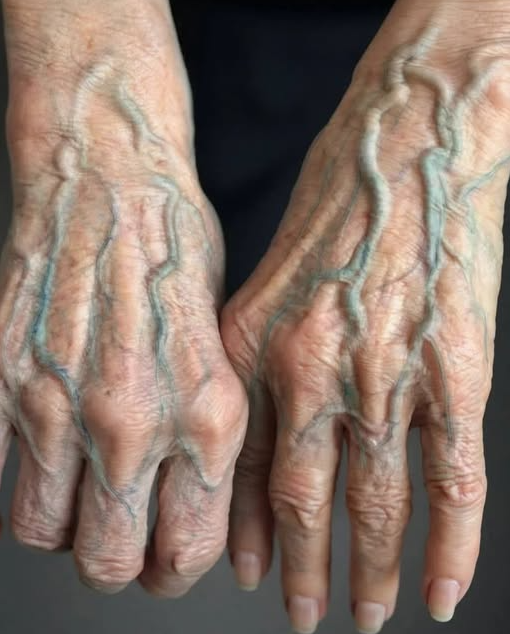
Many people notice that the veins in their hands appear more visible at certain times. For some, the veins look raised and blue or green beneath the skin. For others, they seem to stand out suddenly and create concern. It’s common to see alarming posts online claiming that visible veins are a warning sign of a dangerous condition. But what does it actually mean?
In most cases, visible veins in the hands are completely normal.
Veins carry blood back to the heart after oxygen has been delivered throughout the body. The veins in your hands are close to the surface of the skin, which makes them easier to see. Whether they appear more or less visible depends on several harmless factors, including body composition, temperature, age, hydration, and physical activity.
One of the most common reasons veins appear more prominent is low body fat. Fat lies between the skin and the blood vessels. If someone has less subcutaneous fat—due to genetics, exercise, or weight loss—the veins are naturally more noticeable. Athletes and people who work out frequently often have very visible veins, especially in their hands and arms. This is usually a sign of good circulation and muscle tone rather than a health problem.
Temperature also plays a major role. When you are warm—after exercise, during hot weather, or after a warm shower—your blood vessels dilate. This process, called vasodilation, increases blood flow to help cool the body. As veins expand, they can look larger and more visible. When you cool down, they usually return to normal appearance.
Aging is another factor. As people grow older, their skin becomes thinner and loses collagen. Thinner skin makes veins easier to see. Additionally, the protective fat layer under the skin may decrease with age, further exposing veins. This change is natural and happens gradually over time.
Hydration levels can also influence vein visibility. Mild dehydration can reduce plasma volume in the blood, sometimes making veins appear more pronounced. Drinking adequate water helps maintain normal blood circulation and skin elasticity.
Physical activity temporarily increases vein prominence as well. During exercise, muscles require more oxygen, which increases blood flow. Veins expand to handle the increased circulation. This is often referred to as a “vascular” look and is common during or shortly after workouts.
While visible veins are usually harmless, there are rare cases where they may be linked to medical concerns. For example, if veins suddenly become swollen, painful, red, or warm to the touch, it could indicate inflammation or a blood clot. A condition known as superficial thrombophlebitis involves inflammation of a vein near the surface of the skin. Symptoms include tenderness, swelling, and discoloration—not just visibility alone.
Chronic venous insufficiency is another condition that affects veins, though it is more common in the legs than the hands. It occurs when vein valves do not function properly, causing blood to pool. Symptoms usually include swelling, aching, skin changes, and varicose veins—not simply visible hand veins.
Some online rumors suggest that visible veins signal heart disease or high blood pressure. There is no scientific evidence that simply seeing veins in your hands is a direct indicator of heart problems. Heart conditions typically present with symptoms such as chest pain, shortness of breath, fatigue, irregular heartbeat, or swelling in the lower extremities. Visible hand veins alone are not considered a warning sign of cardiovascular disease.
It’s also important to understand skin tone and vein color perception. Veins may appear blue or green due to how light penetrates the skin and reflects back to our eyes. Blood in veins is actually dark red, not blue. The color difference is an optical effect influenced by skin thickness and pigmentation.
Stress and anxiety can also affect how your veins look. When you feel stressed, your body releases adrenaline, which increases heart rate and blood flow. This can make veins appear more noticeable temporarily.
In certain medical situations, visible veins can be related to hormonal changes. For example, during pregnancy, increased blood volume and circulation may make veins more apparent. However, this is generally a normal physiological adaptation rather than a sign of disease.
So when should you be concerned?
You should consider seeking medical advice if visible veins are accompanied by:
-
Persistent pain or tenderness
-
Swelling in the hand or arm
-
Redness or warmth along the vein
-
Sudden dramatic changes in appearance
-
Numbness or tingling
-
Signs of infection
If visible veins are the only change and you feel otherwise healthy, it is usually not a cause for alarm.
Many people compare themselves to images online and assume that visible veins mean something is wrong. In reality, human bodies vary greatly. Some people naturally have more prominent veins due to genetics. Others may notice changes after weight loss or increased physical activity. These differences are part of normal human variation.
Interestingly, visible veins are often viewed positively in fitness communities. They can indicate low body fat and good circulation. In medical settings, visible veins are helpful because they make drawing blood or inserting IV lines easier.
Ultimately, context matters. A gradual change associated with lifestyle, temperature, or aging is typically harmless. A sudden change accompanied by discomfort or other symptoms deserves medical evaluation.
The internet often exaggerates simple physical traits into dramatic health warnings. It’s important to rely on credible medical information rather than viral posts designed to cause fear. Our bodies constantly adapt to environment, activity, and age.
If you are unsure, a simple check-up with a healthcare professional can provide reassurance. Most of the time, visible veins in your hands are just a natural part of your anatomy.