1) Background: Mexico–U.S. Relations in 2025–2026
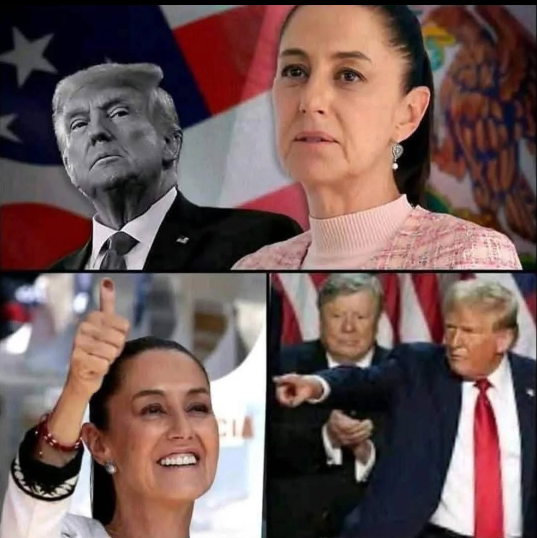
Since taking office in late 2024, Mexican President Claudia Sheinbaum has had a complex and sometimes tense relationship with U.S. President Donald Trump. While both governments maintain diplomatic ties and ongoing cooperation on a range of issues—from trade to security—there have been repeated public disagreements about sovereignty, migration, tariffs, and law enforcement.
2) Sovereignty and Intervention: Sheinbaum’s Core Message
One of Sheinbaum’s most consistent themes in responding to Trump has been a strong defense of Mexican sovereignty.
She has repeatedly made clear that:
-
Mexico will not allow unilateral U.S. intervention on Mexican soil—even in the fight against drug cartels.
-
Cooperation is welcome, but only as long as it respects Mexico’s authority and territory.
-
She insists that security operations on Mexican soil are the responsibility of Mexican forces, not the U.S. military.
This stance dates back months and reflects deep historical sensitivities in Mexico about military interventions from the United States (e.g., the 19th-century Mexican-American War).
Sheinbaum has used phrases like “collaboration, coordination—but no subordination” to underscore her point.
3) Trump’s Statements and Proposals
Donald Trump’s rhetoric and policy suggestions toward Mexico have included:
a. Military Action Against Cartels
Trump has signaled in various forums that he wants to intensify U.S. efforts against drug cartels—potentially even using force within Mexico. In one reported exchange, he said it would be “okay with me” if the U.S. launched strikes against cartel targets inside Mexico.
b. Deployment of U.S. Troops
There have been reports that Trump suggested sending U.S. troops into Mexico to help fight drug trafficking. Sheinbaum publicly rejected that idea, affirming that foreign troops would not be allowed on Mexican territory.
c. Tariffs on Mexico
Trump has threatened and imposed trade tariffs on Mexico, claiming pressure was needed to handle issues like migration and drug trafficking. Tariffs of up to 25% on Mexican goods were floated at various points as leverage.
d. Oil Shipments to Cuba
Trump claimed that he had told Sheinbaum to halt Mexico’s oil shipments to Cuba—a dispute that the Mexican president later denied discussing with him.
4) Sheinbaum’s Public Responses to Trump
Sheinbaum has consistently responded to these Trump statements in public:
a. Rejecting U.S. Military Intervention
Sheinbaum made clear that foreign military action would not take place in Mexico, even if Trump suggested it. “Not going to happen,” she said, stressing cooperation must respect Mexico’s sovereignty.
She has emphasized that Mexico is open to intelligence sharing and joint strategies, but foreign forces operating within Mexican borders will not be permitted.
b. “No Subordination”
She has repeatedly emphasized that Mexico will engage with the U.S. without subordination or loss of autonomy. This has been central to her diplomatic posture since at least early 2026.
c. Maintaining Diplomatic Norms
Sheinbaum has said she values communication and coordination with the U.S., underlining that disagreements don’t end diplomatic engagement. Her government has attempted to handle tensions professionally while defending national interests.
d. Clarifying Claims About Oil to Cuba
When Trump suggested Mexico would stop oil deliveries to Cuba at his request, Sheinbaum clarified that the two leaders had not discussed cutting off oil, and that Mexico would continue to support Cuba with humanitarian aid.
5) What Sheinbaum Did Not Say
There have also been widely shared but incorrect or unverified quotes attributed to Sheinbaum, especially on social media:
-
A viral quote implying she said something mocking about Trump’s election or his view of immigrants has been fact-checked and found false. She never made comments like those attributed on TikTok or Instagram posts.
This demonstrates the importance of verifying statements attributed to world leaders, as misinformation can spread widely online.
6) Security, Cartels, and Cooperation
Though Sheinbaum rejects U.S. military intervention, she does acknowledge the need for cooperation with the United States on security and cartel issues. Recent high-level conversations—including phone calls between the two presidents—have continued to focus on:
-
Border security
-
Drug trafficking
-
Law enforcement coordination
U.S. and Mexican officials have discussed how best to work together without undermining Mexican sovereignty.
Sheinbaum described some of these talks as productive, even as disagreements persist on the extent and nature of cooperation.
7) Trade and Economic Pressures
A major point of contention has been trade policy:
-
Trump has used tariffs as leverage on issues like migration and trafficking.
-
Mexico has pushed back on broad trade penalties, arguing they can harm ordinary people in both countries rather than incentivizing policy changes.
At times, this resulted in tariff suspensions or delays after negotiations, but the broader dispute remains unresolved.
8) Oil, Cuba, and Humanitarian Aid
Another flashpoint has been the handling of Mexican crude shipments to Cuba following U.S. pressure:
-
Trump claimed Mexico would stop oil shipments to Cuba.
-
Sheinbaum denied discussing halting oil and emphasized continued humanitarian support to Cuba—including food and other supplies.
This row reflects broader geopolitical tensions in the region, including U.S.–Cuba relations and regional energy issues.
9) Domestic Political Resonance in Mexico
Sheinbaum’s stance has domestic political implications:
-
Her strong defenses of sovereignty and pushes back against perceived U.S. overreach have bolstered her standing among national audiences.
-
By framing negotiations in terms of respect and autonomy, she has sought to present Mexico as a self-respecting partner rather than a subordinate to U.S. pressure.
10) Summarizing the “Not…” Point
In essence, the Mexican president has not framed Trump personally as illegitimate, a criminal, or attacked him in the way some viral posts suggest. What she has done is:
-
Reject or downplay specific Trump proposals (military action, unilateral intervention).
-
Assert Mexico’s sovereignty and autonomy.
-
Refuse to accept narratives that Mexico is weak or subordinate.
-
Clarify when Trump’s public claims don’t match Mexico’s position (e.g., on oil shipments).
She has not been recorded publicly saying that Trump is illegitimate, incompetent, or personally derogatory things about him in official press statements. Some of the statements circulating online are misinformation.
Conclusion: A Diplomatic Standoff with Clear Limits
The current Mexico–U.S. dynamic under Sheinbaum and Trump is marked by:
-
Negotiation and continued dialogue
-
Public disagreements over sovereignty, military intervention, and trade policy
-
Efforts to maintain cooperation where feasible
The Mexican president’s overall message in responding to Trump has been: We respect bilateral ties, we will cooperate where interests align, but Mexico’s sovereignty and decision-making are non-negotiable.
If you want, I can also drill down into how these tensions affect everyday people in Mexico and the U.S. or explain what this means for next year’s trade or immigration negotiations.