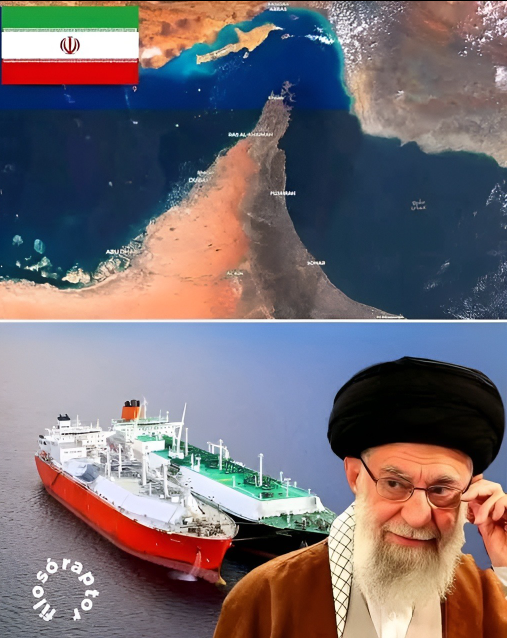
🔴 Breaking: Iranian Parliament Approves Closure of the Strait of Hormuz
In a dramatic escalation of geopolitical tensions, especially in the Middle East, Iran’s parliament voted to approve a motion to close the Strait of Hormuz — one of the world’s most strategically important maritime passages. This development comes amid heightened conflict involving Iran, the United States, and Israel.
However, it’s crucial to understand that the parliament’s vote itself does not automatically close the strait. Instead, it represents political backing and momentum toward such a step. The final decision now rests with Iran’s Supreme National Security Council and the country’s top leadership, including Supreme Leader Ayatollah Ali Khamenei.
🧭 What Is the Strait of Hormuz and Why It Matters
The Strait of Hormuz is a narrow waterway — only about 21 miles (34 km) wide at its narrowest point — that links the Persian Gulf with the Gulf of Oman and the Arabian Sea. It is one of the most important chokepoints in global commerce:
-
Approximately 20% of the world’s oil supply passes through the strait.
-
It also transports a similarly high proportion of global natural gas and liquefied natural gas (LNG).
-
Major energy exporters such as Saudi Arabia, Iraq, Kuwait, the UAE, and Qatar depend on this passage to reach global markets.
Because so much energy flows through this short stretch of sea, any disruption can ripple through global economies — especially in Asia, Europe, and the United States.
🛑 Why Iran’s Parliament Voted for Closure
The vote is widely understood as a response to escalating military confrontations in the region, especially:
-
U.S. airstrikes on Iranian nuclear facilities — American forces targeted a number of key installations, including underground and fortified sites related to Iran’s nuclear program.
-
Tensions with Israel — An intense bout of conflict between Iranian and Israeli forces earlier in the year had already raised regional tensions.
-
Political pressure inside Iran — Hardline elements in the Iranian government and parliament have pushed for strong retaliatory measures against perceived external aggression.
In this context, parliamentarians backed closing the Hormuz Strait as a potential leverage tool — signaling that Iran is prepared to take dramatic steps in defense of its security and national interests.
However, experts note that this move is largely political and symbolic unless ratified by Iran’s Supreme National Security Council, which has the authority to enforce such actions.
💥 Immediate Global Impact: Energy and Markets
The prospect of closing the Strait of Hormuz — even temporarily — has already had profound effects on global energy markets:
1. Surging Oil Prices
Analysts warned that if the strait were closed even briefly, global oil prices could spike sharply, potentially beyond $120 to $150 per barrel. This is because the strait carries around one-fifth of world oil exports; a disrupted supply would tighten markets almost instantly.
Higher oil prices feed through into the broader economy:
-
Rising gasoline and diesel costs for consumers
-
Pressure on inflation in major economies
-
Increased energy costs for industries
-
Economic stress for oil-importing countries
2. Global Market Volatility
Even the threat of closure has caused volatility:
-
Energy markets react quickly to geopolitical news
-
Stock indices in Europe, Asia, and the U.S. have shown sharp intraday movements
-
Commodities traders adjust positions in anticipation of tighter supply conditions
Market anxiety grew especially after reports that prices could surge severalfold if shipping through the strait were blocked.
3. Rising Shipping and Insurance Costs
If the Strait of Hormuz were closed or restricted, tankers might be forced to take longer alternative routes, increasing:
-
Travel times
-
Fuel costs for shipping companies
-
Insurance premiums due to higher perceived risks
🧠 Strategic and Political Implications
This situation isn’t just about oil — it intersects with major geopolitical fault lines involving:
🟣 Iran vs. United States
Tensions between Tehran and Washington have been escalating. U.S. strikes on Iranian sites were framed by American leaders as counter-nuclear actions, but Iran described them as acts of aggression. This mutual hostility increases the risk of miscalculation or further escalation.
🟣 Iran vs. Israel
Iran and Israel have increasingly direct confrontations, including airstrikes and proxy engagements. The Parliament’s vote reflects political pressure from those who want a tougher posture against Israel.
🟣 Regional Security
Countries in the Gulf — including Saudi Arabia, the UAE, and Qatar — would be directly affected by any closure. Governments that depend on the waterway have a vested interest in preserving freedom of navigation.
🧩 Limitations: Why Closure Isn’t Guaranteed
While the vote is dramatic, analysts caution that several factors make actual closure unlikely in practice:
📌 1. Final Authority Is Not Parliament
Iran’s Supreme National Security Council and the country’s top leadership, including the Supreme Leader, have the real authority to decide on closure. The parliamentary vote is advisory and reflects political will more than legal force.
📌 2. Self-Harm for Iran
Iran itself depends on the strait for:
-
Its own oil exports
-
Imports of goods
Shutting the strait would hurt its economy as much as others, if not more, because Iran’s energy industry is a central revenue source.
📌 3. Risk of Military Escalation
A closure could be viewed as an act of war by the U.S. or its allies, leading to:
-
Direct military confrontation in the Gulf
-
Broader regional destabilization
This risk may reserve closure as a last resort rather than the first response.
🌍 Global Effects Beyond Energy
Even without closure, the political impact is significant:
🟢 Diplomacy and Alliances
World powers — including China, Russia, and Europe — are now playing roles in diplomatic negotiations. For example:
-
The U.S. and China were reported to be in talks about restraining escalation.
Diplomatic channels are working — often quietly — to prevent catastrophic outcomes.
🟢 Energy Security Strategies
Countries may accelerate:
-
Strategic petroleum reserve releases
-
Diversifying supply sources
-
Investments in alternative energy
To reduce vulnerability to Middle East supply risks.
🟢 Market Hedging
Financial markets may:
-
Increase investment in energy futures
-
Use hedging strategies to manage price risk
🧠 In Summary: What This All Means
-
Iran’s parliament voted to back the closure of the Strait of Hormuz, a major escalation framed as retaliation for foreign military actions.
-
The vote itself doesn’t legally close the strait — ultimate authority lies with Iran’s national security leadership.
-
Global oil markets are highly sensitive to the news, with potentially large price spikes and economic implications.
-
Actual closure is possible but unlikely without broader strategic calculation, given its severe repercussions on both Iran and the global economy.
-
Diplomatic efforts by major powers are intensifying to reduce the risk of open conflict.