Everything You Need to Know About Vaginal Discharge
Vaginal discharge is a normal and essential part of the body’s reproductive health system. Despite how common it is, many people feel confused, embarrassed, or even worried about it. Understanding what discharge is, why it happens, and what’s normal versus abnormal can help you feel more confident and in control of your health.
Let’s break it all down in a clear, respectful, and practical way.
What Is Vaginal Discharge?
Vaginal discharge is fluid that comes from the vagina and cervix. It’s made up of water, mucus, and cells from the vaginal lining. Its main jobs are to:
• Keep the vagina clean
• Remove dead cells and bacteria
• Maintain the right balance of healthy microbes
• Protect against infections
In simple terms: discharge is how the vagina takes care of itself.
What “Normal” Discharge Looks Like
Normal discharge can vary a lot depending on your age, menstrual cycle, hormones, stress levels, and overall health. There is no single “correct” type.
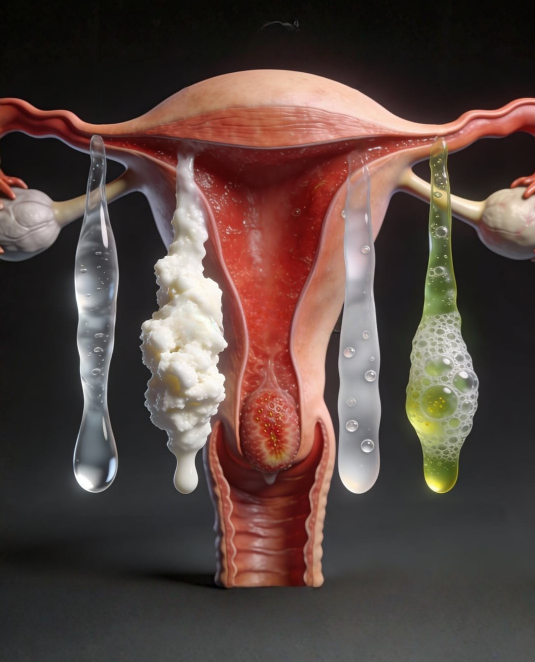
Common normal types include:
1. Clear and stretchy
Often seen around ovulation. It can look like egg whites and helps sperm travel.
2. White and creamy
Common before your period or early in pregnancy. Usually harmless if there’s no itching or odor.
3. Clear and watery
Normal at any time, especially after exercise or during hot weather.
4. Slightly yellow when dry
Can be normal if there’s no smell, pain, or irritation.
Normal discharge should NOT cause:
• Strong odor
• Burning
• Itching
• Pain
How the Menstrual Cycle Affects Discharge
Hormones change throughout your cycle, and so does discharge:
• After your period: Often dry or minimal
• Before ovulation: Creamy or cloudy
• Ovulation: Clear, slippery, stretchy
• After ovulation: Thicker or sticky
• Before your period: White or pale yellow
These changes are healthy and expected.
When Discharge May Be a Problem
Sometimes discharge can signal an infection or imbalance. Pay attention if you notice:
• Strong fishy smell
• Green, gray, or frothy discharge
• Thick, clumpy (like cottage cheese)
• Itching, burning, redness
• Pain during urination or sex
These symptoms may point to:
1. Yeast infection
• Thick, white, clumpy discharge
• Intense itching and redness
• Usually no strong odor
2. Bacterial vaginosis (BV)
• Thin gray or white discharge
• Strong fishy smell
• Often worse after sex
3. Sexually transmitted infections (STIs)
• Yellow, green, or cloudy discharge
• Pain, bleeding, or sores
• May come with fever or pelvic pain
4. Trichomoniasis
• Green or yellow frothy discharge
• Strong odor
• Itching and discomfort
If anything feels off, it’s best to see a healthcare provider. Don’t self-diagnose with random treatments.
What Affects Discharge?
Many things can change the amount, color, and texture of discharge:
• Hormonal birth control
• Pregnancy
• Stress
• Diet
• Antibiotics
• New sexual partners
• Vaginal products
Using scented soaps, douches, sprays, or wipes can disrupt the natural balance and actually cause problems.
How to Keep the Vagina Healthy
You don’t need fancy products. In fact, less is more.
Do:
• Wash the outside (vulva) with warm water
• Wear breathable cotton underwear
• Change out of sweaty clothes quickly
• Practice safe sex
• Get regular checkups
Avoid:
• Douching
• Scented vaginal products
• Harsh soaps inside the vagina
• Wearing tight, non-breathable clothing all day
The vagina cleans itself. Trying to “fix” it usually creates more problems.
Discharge During Pregnancy
During pregnancy, discharge often increases. It’s usually:
• Thin
• Milky white
• Mild-smelling
This is called leukorrhea and helps protect the uterus from infection.
However, call your doctor if you notice:
• Green or yellow discharge
• Strong smell
• Itching or burning
• Bloody or watery fluid leaking
Discharge After Menopause
After menopause, estrogen levels drop. This can cause:
• Less discharge
• Thinner vaginal lining
• More dryness and irritation
If you notice bleeding, pain, or unusual discharge after menopause, always get it checked.
When to See a Doctor
Make an appointment if you have:
• New or unusual discharge
• Bad odor
• Itching or burning
• Pelvic pain
• Bleeding between periods
• Discharge after menopause
Early treatment prevents complications and protects your reproductive health.
Talking About It Without Shame
Vaginal discharge is not dirty. It’s not embarrassing. It’s a normal biological process — like sweating or blinking.
Understanding your body is a form of self-respect. The more you know what’s normal for you, the faster you’ll notice when something changes.
Final Thoughts
Vaginal discharge is your body’s way of staying balanced and protected. Most of the time, it’s completely normal. Learning to recognize healthy discharge — and knowing when to seek help — is one of the best things you can do for your well-being.