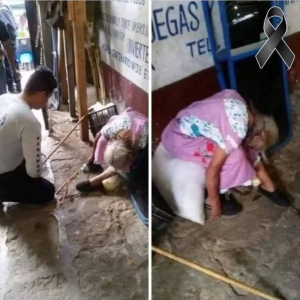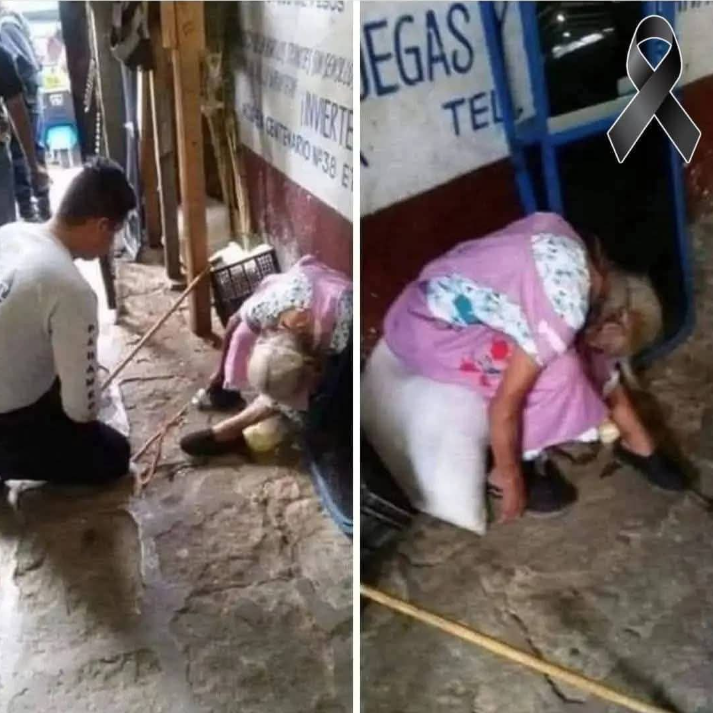
An 85-Year-Old Woman Died at the Entrance of the Market Where She Sold Her Wares — A Life of Quiet Dignity Remembered
Every morning for more than four decades, María López arrived at the old neighborhood market before sunrise. Long before the metal gates rattled open and before the streets filled with the sound of traffic and hurried footsteps, she would already be there—carefully arranging her modest display of fruits, herbs, and handmade goods near the market’s entrance.
On a quiet morning this week, María arrived as she always did. But this time, she would not leave.
The 85-year-old woman collapsed at the very spot where she had earned her living for most of her life. By the time help arrived, she was gone.
A Familiar Face to Generations
To many in the community, María was more than a vendor. She was a fixture—someone whose presence was as constant as the market itself. Children who once stood beside their parents clutching coins to buy oranges had grown up, moved away, and returned years later to find her still there, smiling gently from behind her small wooden table.
“She was part of the market’s soul,” said a neighboring vendor who had worked beside her for over 20 years. “You didn’t need to know her name. Everyone knew her face.”
María sold simple goods—seasonal fruit, bundles of fresh herbs, homemade sweets wrapped in wax paper. Her prices were fair, sometimes negotiable, and often flexible when she sensed a customer was struggling.
“She would say, ‘Pay me later,’” one shopper recalled, her voice trembling. “Sometimes ‘later’ never came, and she never asked.”
A Life Shaped by Hard Work
María’s life was not easy. Born into poverty, she learned early that survival depended on persistence. She raised children, cared for grandchildren, and continued working well past the age when most people would have retired.
Those close to her say she worked not because she wanted to, but because she had to.
“She didn’t complain,” said a family friend. “She just kept going. That’s how her generation was.”
Despite her age, María refused to stay home. The market gave her purpose. It gave her routine. It gave her dignity.
“She used to say, ‘As long as I can stand, I can work,’” a fellow vendor shared quietly.
The Morning Everything Stopped
Witnesses say María arrived that morning looking more tired than usual but insisted she was fine. She greeted familiar faces, began arranging her goods, and sat briefly to rest.
Minutes later, she collapsed.
Panic spread quickly. Shoppers screamed for help. Vendors rushed to her side. Someone called emergency services. Another held her hand. Others tried to shield her from the crowd gathering around.
“She wasn’t alone,” a witness said. “People were talking to her, telling her help was coming.”
But help arrived too late.
Paramedics pronounced her dead at the scene. Authorities later confirmed there were no signs of foul play. Her death is believed to be from natural causes.
A Market in Mourning
The market closed early that day. Vendors covered their stalls. Shoppers left flowers where María had once sat. Some lit candles. Others stood silently, unsure what to do with their grief.
“She died where she lived her life,” said one elderly man who had bought from her for decades. “That’s both heartbreaking and powerful.”
For many, her passing exposed an uncomfortable truth: how many elderly people continue working not by choice, but necessity.
“She should have been resting at home,” a customer said. “Not collapsing at work.”
More Than a Tragedy
María’s death sparked conversations across the community—about aging, poverty, and the invisible labor of the elderly.
Social advocates point out that many older adults continue working informal jobs without healthcare, pensions, or security. They are often overlooked until tragedy forces attention.
“This isn’t just about one woman,” said a local community organizer. “It’s about a system that allows people to work themselves to death.”
María never asked for sympathy. But in her death, she became a symbol of resilience—and neglect.
Remembering Her Humanity
Family members described María as gentle, stubborn, and deeply proud. She disliked asking for help. She believed in earning her way. Even when offered assistance, she preferred to sell something rather than accept charity.
“She didn’t want pity,” her granddaughter said. “She wanted respect.”
That respect poured out after her death. Messages flooded social media. Strangers shared memories. Some posted photos taken years ago at her stall, smiling beside her.
One message read: “You fed us more than food. You fed us kindness.”
A Simple Farewell
María’s funeral will be modest, just as she was. Her family says she would not have wanted anything elaborate. They plan to place a small basket of fruit near her grave—just like the ones she sold every day.
At the market entrance, her space remains empty. Vendors say they cannot bring themselves to fill it yet.
“It doesn’t feel right,” one said softly. “That spot was hers.”
A Quiet Legacy
María López will not be remembered in history books. There will be no statues, no headlines lasting beyond a few days. But in the lives she touched—in the kindness she gave without expectation—her legacy remains.
She died standing at the threshold of the place that defined her life. Not famous. Not wealthy. But known, respected, and loved.
In a world that often rushes past the elderly and the poor, María’s story forces us to slow down and see them.
Because behind every market stall, every weathered face, and every quiet smile is a life worth honoring.