Innocent Photos That Accidentally Mess With Your Brain
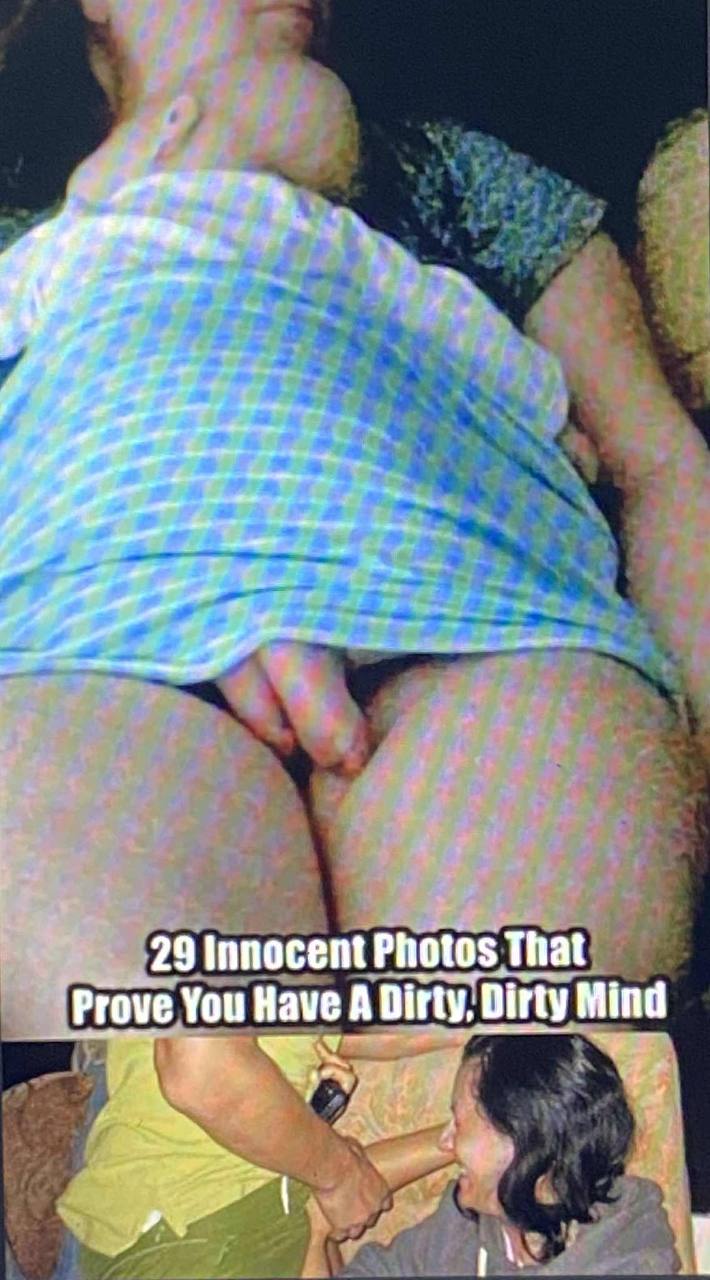
At first glance, some photos seem shocking, inappropriate, or even scandalous. Your brain reacts instantly, filling in gaps before logic has time to catch up. But then—after a second look—you realize nothing improper is actually happening. The image is completely innocent. The confusion comes from angles, timing, shadows, and the way our brains are wired to recognize familiar shapes and patterns, even when they’re not really there.
These kinds of images have become wildly popular online because they expose something fascinating about human perception: our brains are not objective cameras. They are prediction machines. When information is incomplete or oddly framed, the brain jumps to conclusions—often embarrassing ones.
Let’s explore why innocent photos mess with our minds and why we fall for them every time.
The Brain Loves Shortcuts
The human brain processes visual information incredibly fast. To do that, it relies on shortcuts called heuristics. Instead of carefully analyzing every detail, your brain makes rapid guesses based on past experience.
This is useful most of the time—but it backfires with confusing images.
When a photo:
-
Is cropped strangely
-
Taken at an unusual angle
-
Captures motion mid-moment
-
Combines overlapping objects
…the brain rushes to interpret it using familiar patterns. That’s when innocent scenes suddenly look inappropriate, funny, or shocking.
Perspective Is the Real Trickster
Perspective is responsible for most “dirty-mind” photos. A camera flattens a three-dimensional world into two dimensions, removing depth cues that help us understand what’s really happening.
For example:
-
An arm aligns perfectly with a body behind it
-
A shadow falls in an unfortunate place
-
Someone stands in front of an object at just the wrong distance
Your brain assumes everything in the frame is on the same plane—even when it isn’t. The result? An illusion that looks far more suggestive than reality.
Once you recognize the true perspective, the image suddenly makes sense—and you wonder how you ever misread it in the first place.
Timing Is Everything
Some photos are taken at the exact wrong moment. A split second earlier or later, and the image would be completely normal.
Mid-movement photos can:
-
Freeze facial expressions in awkward ways
-
Capture hands or legs in misleading positions
-
Create shapes that don’t exist before or after the moment
Because your brain doesn’t see the moments before or after, it invents a story to explain what it sees. That invented story is often way more dramatic than the truth.
Pattern Recognition Gone Wrong
Humans are exceptionally good at recognizing bodies, faces, and familiar shapes. This skill helped our ancestors survive—but it also causes us to see things that aren’t there.
This phenomenon is called pareidolia. It’s why:
-
We see faces in clouds
-
Objects appear to “look” human
-
Random shapes resemble body parts
In innocent photos, pareidolia convinces your brain that it’s seeing something inappropriate, even though the shapes are just coincidental alignments.
Your brain isn’t being dirty—it’s being overconfident.
Why These Photos Go Viral
Images that trick the brain spread rapidly online for a simple reason: they trigger an emotional reaction.
People feel:
-
Shock
-
Embarrassment
-
Amusement
-
The urge to prove they’re not the only one who misread it
Once you realize the truth, you want others to experience the same moment of confusion. Sharing becomes irresistible.
That shared “wait… oh!” moment is internet gold.
The Role of Cultural Conditioning
Our interpretations are also shaped by culture, media, and social conditioning. We’re exposed to certain images so often that our brains are primed to recognize them—even when they aren’t present.
This doesn’t mean people are inappropriate; it means they’re trained by exposure.
When an image vaguely resembles something familiar, the brain connects the dots automatically. Logic comes later—if at all.
Innocent Subjects, Unfortunate Angles
What makes these photos especially funny is that the people in them are usually doing something completely normal:
-
Sitting
-
Hugging
-
Reaching
-
Playing with pets
-
Relaxing
They’re unaware their photo will confuse thousands—or millions—of viewers. The humor doesn’t come from what they’re doing, but from how the camera captured it.
Once you understand the real context, the image becomes harmless—and often even more amusing.
Why You Shouldn’t Feel Guilty
Many people laugh and say, “I must have a dirty mind.” In reality, this reaction says more about human perception than personal morality.
Your brain:
-
Makes rapid assumptions
-
Prioritizes familiar patterns
-
Fills in missing information
This happens automatically and unconsciously. The confusion isn’t intentional—it’s neurological.
Recognizing the illusion actually means your brain is working exactly as designed.
The Second Look Changes Everything
The magic of these photos is in the second glance. Once your brain adjusts and recognizes the real scene, the illusion collapses instantly.
Suddenly:
-
The image looks harmless
-
The confusion feels silly
-
You can’t unsee the truth
This shift highlights how fragile our first impressions really are—and how easily we can be fooled by appearances.
A Reminder About First Impressions
These photos offer a subtle lesson beyond humor: first impressions are not always accurate.
Just as images can mislead us visually, people and situations can mislead us emotionally. A quick judgment based on limited information is often incomplete—or wrong.
Taking a moment to look again can change everything.
Final Thoughts
“Innocent photos that accidentally mess with your brain” aren’t dirty, scandalous, or inappropriate. They’re proof that perception is imperfect and context matters more than we realize.