1. Current Situation: Tensions With Iran and Broader Regional Threats
Mass Protests in Iran and Potential for Wider War
Iran has been engulfed in widespread protests across multiple cities, initially sparked by economic hardship and rising into one of the largest and deadliest waves of unrest since 1979. The Iranian government has responded with a heavy crackdown, and death toll estimates vary widely; some human-rights groups suggest hundreds have been killed.
Iran’s leadership — including its foreign minister and parliamentary speaker — has signaled it is “fully prepared for war” if external powers, particularly the U.S. or Israel, intervene in response to the domestic situation.
The Iranian president has publicly warned that Iran will retaliate against U.S. or Israeli forces if those countries attack Iran over the protests, underscoring heightened risk of military escalation.
U.S. and Israel Preparing Options
The United States, under President Trump, is reportedly considering a range of possible responses to the Iran crisis — including diplomatic, cyber, and military options — as it weighs whether to intervene in reaction to Iranian regime actions and threats. The Pentagon has presented Trump with options for potential strikes on Iranian targets if the situation escalates militarily.
Israel’s military — the Israel Defense Forces (IDF) — says it remains on alert for “surprise scenarios” and continues planning against potential threats from Iran or its proxies, but also stresses that its posture remains primarily defensive absent a clear attack.
The Trump administration also issued economic measures against Tehran, such as a 25 % tariff on any business done by third countries with Iran, aiming to provide pressure short of direct conflict.
Iran’s Domestic Struggle Has Regional Implications
The internal crisis in Iran is widely seen by analysts as weakening the regime’s external posture and strategic cohesion. Some experts believe this internal weakness could reduce the likelihood of an immediate, large-scale external military attack — while others fear radical elements could lash out to refocus public fervor toward a common enemy abroad.
2. Gaza, the West Bank, and Ongoing Violence
Gaza: Ceasefire Holds but Violence Continues
Since October 2025, a U.S.-brokered ceasefire has largely paused large-scale warfare between Israel and Hamas in the Gaza Strip. However, violations have continued — including drone strikes and Israeli responses — and casualties on both sides keep rising.
A recent Israeli drone strike in the central Gaza Strip killed three Palestinians reported near the ceasefire line — part of a pattern of skirmishes that underscores the fragility of the truce.
Israeli-backed Palestinian groups also recently killed a senior Hamas police officer in southern Gaza, prompting threats of further violence; Hamas and Israeli authorities deny coordination.
Overall, since the truce began in October 2025, more than 440 Palestinians and several Israeli soldiers have died in flare-ups.
West Bank Tensions
Separately, tensions in the West Bank remain elevated. Recent clashes and settler violence have been reported, and the Israeli government has approved new settlement activity in contested areas — a policy widely condemned by international observers and seen as undermining prospects for peace.
3. Northern Front & Regional Proxy Actors
Hezbollah and Southern Lebanon
While immediate reporting about major exchanges from the northern border is limited compared with Gaza or Iran, Israel has conducted strikes against Hezbollah-linked positions in southern Lebanon amid ongoing tensions. This reflects the longstanding concern in Jerusalem about the Iranian-backed Hezbollah militia and its articulated intent to strike Israel.
Houthi Attacks & Red Sea Front
In recent years the Yemeni Houthi movement (backed by Iran) has launched drones and missiles at Israel, including a notable Houthi drone attack on Tel Aviv in 2024. These actions expanded the conflict’s geographic footprint but have since been intermittently active.
4. Diplomatic and Geopolitical Environment
U.S. Role and International Diplomacy
The U.S. continues to play a pivotal role. Washington has walked back outright immediate military action in favor of diplomacy first — but still keeps “military options” visible as leverage in negotiations and deterrence. Trump administration officials say diplomacy remains the preferred route while maintaining deterrence.
Communications between Iranian and U.S. officials reportedly remain open even amid the tension.
International Responses & Peace Efforts
International voices have repeatedly called for restraint. European and U.N. officials have urged all sides to avoid further escalation, particularly as civilian populations in Gaza and Iran face mounting hardship.
Peace initiatives continue in parallel — such as the “Board of Peace” mechanism meant to oversee implementation of the Gaza ceasefire and political transition — though critics note progress remains limited and fragile.
5. Humanitarian and Civilian Toll
Civilians in Danger
Daily life for civilians in conflict zones remains severe:
-
In Gaza, infrastructure collapse and limited humanitarian access contribute to ongoing suffering, with thousands displaced and hospitals overwhelmed.
-
In Iran, government crackdowns have reportedly resulted in hundreds of protester deaths, widespread detentions, and internet blackouts, exacerbating tensions and making casualty verification difficult.
-
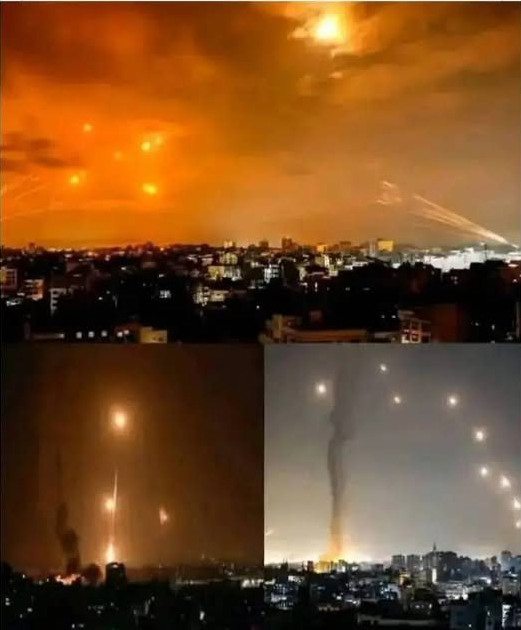
In Israel, vigilance has forced readiness for Civil Defense measures and siren alerts, disrupting daily routines for communities within range of missiles or drones.
International Legal and Rights Concerns
There are also continuing global debates about the legality and human rights implications of some military actions on all sides, especially strikes impacting civilian infrastructure in Gaza and Iran, and civilian protest repression in Iran.
6. What This Means Moving Forward
The situation is highly volatile and could shift rapidly. Key factors to watch include:
-
Iran’s internal crisis — whether it escalates into broader foreign conflict.
-
U.S. policy decisions — particularly any movement from diplomacy to direct military action.
-
Ceasefire stability in Gaza — whether low-level violence remains contained or flares.
-
Proxy escalation — including Hezbollah, Houthi, or other militias acting on regional conflicts.
At present, while there are credible threats and military postures, there is no confirmed news of a full-scale attack on Israel in the last 15 minutes beyond ongoing tensions and alerts from military authorities. Ongoing reporting suggests heightened alerts and strategic planning rather than a sudden outbreak of broad hostilities at this exact moment.
Helpful Live & Ongoing Coverage
This live video feed can give you real-time visuals and reporting as the region develops.