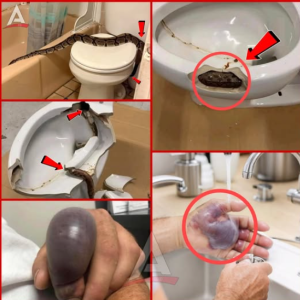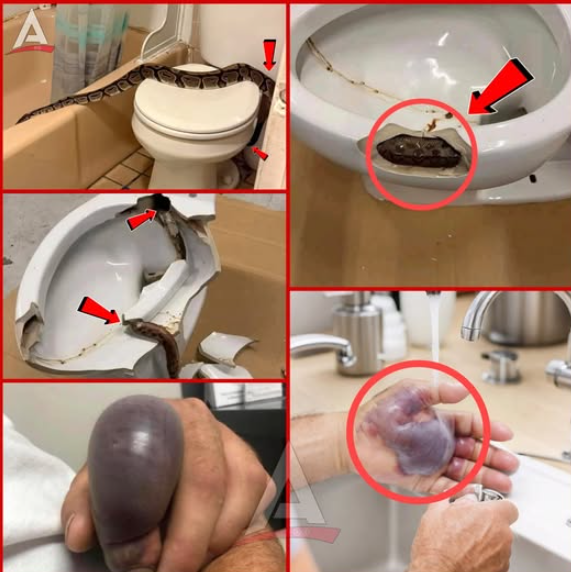
“In Several Regions, While Using Their Toilets, People Were Attacked by…” — The Alarming Stories Behind a Viral Headline
It sounds like the start of a horror movie: people going about one of the most private, routine moments of daily life—using the toilet—when suddenly, without warning, something attacks from below. Headlines like this spread fast, often ending with “see the 1st comment” to lure readers into a spiral of shock, fear, and speculation.
But what’s actually behind these stories? Are they exaggerated myths, rare real incidents, or a mix of both? The truth is unsettling enough without needing clickbait.
Where These Stories Come From
Reports of toilet-related attacks tend to surface in specific regions, usually where plumbing infrastructure intersects with local wildlife. These are not everyday occurrences, but when they do happen, they spread rapidly online because they violate a basic assumption: that bathrooms are safe.
The most commonly reported culprits include:
-
Snakes
-
Rats
-
Frogs
-
In extremely rare cases, other wild animals
These incidents are typically reported in parts of Southeast Asia, South Asia, Australia, parts of Africa, and occasionally southern regions of the United States.
How Can This Even Happen?
Modern toilets are designed with water traps and bends to prevent odors—and most creatures—from coming back up. However, certain animals are far more capable than people realize.
Snakes
Some snake species are excellent swimmers and can:
-
Enter sewage systems through open drains
-
Travel through pipes using muscular movement
-
Survive submerged for long periods
In rare cases, they have emerged through toilets, shocking occupants and causing injuries through bites or panic-induced falls.
Rats
Rats are among the most adaptable animals on Earth. They can:
-
Squeeze through openings the size of a coin
-
Swim long distances
-
Climb vertical pipes
In urban areas with aging sewer systems, rats have been known to surface through toilets, sometimes biting people who were completely unaware of the danger.
Why These Incidents Feel So Terrifying
What makes these stories go viral isn’t just the attack—it’s the setting.
Bathrooms are:
-
Private
-
Vulnerable spaces
-
Associated with safety and routine
When danger appears there, it creates a deep psychological shock. It taps into primal fears of being exposed and unable to react quickly.
This is why even very rare cases feel far more threatening than more common outdoor animal encounters.
Real Incidents vs. Exaggeration
It’s important to separate fact from fear.
What’s true:
-
There have been documented cases of animals emerging from toilets
-
Injuries have occurred, especially from rat bites
-
These events tend to happen in regions with poor sanitation or wildlife-heavy environments
What’s exaggerated:
-
The frequency (these are extremely rare)
-
Claims of coordinated or widespread attacks
-
Sensational descriptions meant to shock rather than inform
Most people will never experience anything like this in their lifetime.
Why “See the 1st Comment” Is a Red Flag
This phrase is a common clickbait tactic. It often leads to:
-
Unverified photos
-
Recycled stories from years ago
-
Misattributed locations
-
Completely fabricated accounts
Once fear is triggered, people are more likely to share without checking facts.
How Authorities and Experts Respond
Public health officials and plumbing experts generally recommend:
-
Keeping toilet lids closed when not in use
-
Ensuring plumbing systems are well maintained
-
Installing one-way valves in high-risk areas
-
Sealing cracks and external drain openings
In regions where wildlife encounters are more common, awareness campaigns sometimes include advice about bathroom safety—something that sounds absurd until you understand the context.
The Role of Infrastructure
Many of these incidents are not wildlife problems but infrastructure problems:
-
Old or damaged sewer lines
-
Open drainage systems
-
Poorly sealed toilets
-
Overflowing or clogged pipes
Improving sanitation dramatically reduces these risks.
Why These Stories Stick With Us
Humans are wired to remember threats—especially unusual ones. A shark attack makes international news even though drowning is far more common. Toilet attacks fall into the same category: rare, shocking, and deeply memorable.
Once you’ve heard a story like this, it’s hard not to think about it the next time you sit down.
Should You Be Worried?
For most people:
-
No. The risk is extremely low.
-
Modern plumbing in most regions makes such incidents nearly impossible.
For people in high-risk areas:
-
Awareness matters more than fear.
-
Simple precautions significantly reduce risk.
The Bottom Line
Yes, there have been rare cases in several regions where people were attacked while using their toilets—usually by animals that entered through sewage systems. But these incidents are uncommon, often exaggerated online, and largely preventable through proper infrastructure and maintenance.
The real danger isn’t lurking in your bathroom—it’s believing every sensational headline designed to scare you into clicking “the first comment.”