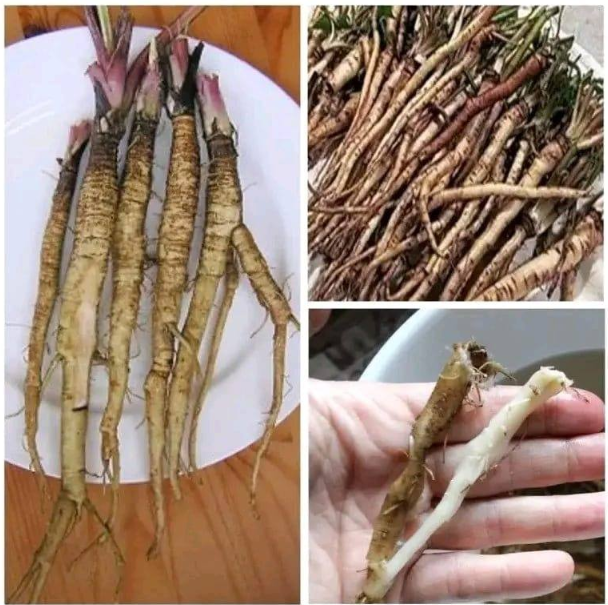
Claims like “a plant that destroys cancer cells in just 48 hours” or “100 times more effective than chemotherapy” are among the most widespread—and most dangerous—forms of medical misinformation online. They sound hopeful, revolutionary, and almost miraculous. But they are not supported by credible scientific evidence, and understanding why matters deeply for patient safety, trust in medicine, and informed decision-making.
What follows is a clear, responsible explanation of where these claims come from, why they spread, what science actually says about plants and cancer, and how to separate real research from false hope.
Where This Claim Comes From
This headline has appeared in countless variations over the years. Sometimes the “plant” is turmeric, dandelion root, soursop (graviola), moringa, cannabis, aloe vera, or even broccoli. The wording changes, but the structure is always the same:
-
Absolute certainty (“destroys cancer cells”)
-
Unrealistic speed (“in just 48 hours”)
-
Extreme comparison (“100 times more effective than chemotherapy”)
-
Implied conspiracy (“doctors don’t want you to know”)
These phrases are designed to trigger emotion—not accuracy.
The Core Scientific Problem
1. “Kills cancer cells” is not the same as “cures cancer”
Many substances—plants, chemicals, even household toxins—can kill cancer cells in a lab dish (called in vitro studies). Bleach kills cancer cells. So does fire. That does not make them treatments.
Lab studies involve isolated cancer cells in controlled environments, not complex human bodies with immune systems, organs, blood flow, and side effects.
More than 90% of substances that kill cancer cells in vitro fail in human trials.
2. “100 times more effective than chemotherapy” is a meaningless phrase
Chemotherapy is not one drug. It’s hundreds of different medications, each designed for specific cancers, stages, and patients.
“100 times more effective” raises immediate red flags because:
-
Effective how? Tumor shrinkage? Survival rate? Symptom relief?
-
Compared to which chemotherapy drug?
-
Tested in humans? Animals? Cells in a dish?
No reputable medical study uses language like this.
3. 48 hours is biologically implausible
Cancer is not a single disease. It includes over 200 distinct diseases, each behaving differently.
Even the most aggressive cancer treatments:
-
Do not eliminate all cancer cells in 48 hours
-
Often require weeks or months
-
Are measured in survival time, remission rates, and quality of life—not instant eradication
Any claim promising total destruction in 48 hours ignores basic oncology.
The Grain of Truth That Gets Distorted
Plants do matter in cancer research. In fact:
-
Many chemotherapy drugs originate from plants
-
Examples include:
-
Paclitaxel (from yew trees)
-
Vincristine and vinblastine (from periwinkle)
-
Etoposide (derived from mayapple)
-
But here’s the crucial difference:
👉 These drugs are purified, precisely dosed, clinically tested compounds, not teas, supplements, or raw plants.
The presence of a potentially useful molecule does not mean the whole plant is a cure.
Why These Claims Are Dangerous
1. They delay real treatment
Some patients abandon evidence-based care after encountering these stories, believing a “natural cure” is safer or faster. Delayed treatment can allow cancer to progress beyond curability.
2. They exploit fear and hope
Cancer is terrifying. Headlines like this prey on desperation, offering certainty where none exists.
3. They undermine trust in medicine
By framing doctors as hiding cures, these stories erode confidence in professionals whose entire careers are devoted to saving lives.
What Legitimate Cancer Research Looks Like
Real breakthroughs follow a long, transparent process:
-
Cell studies
-
Animal studies
-
Phase I human trials (safety)
-
Phase II trials (effectiveness)
-
Phase III trials (comparison with standard treatment)
-
Peer review
-
Regulatory approval
This takes years or decades, not viral headlines.
If a plant truly cured cancer in 48 hours:
-
Every oncology center in the world would know
-
It would be front-page news across medical journals
-
Nobel Prizes would be awarded
-
It would not be hidden on social media posts
How to Spot False Cancer Cure Claims
Be skeptical if you see:
-
“Doctors hate this”
-
“Big Pharma doesn’t want you to know”
-
“One simple trick”
-
No named researchers
-
No published clinical trials
-
No cancer type specified
-
Emotional language instead of data
Science does not fear scrutiny. Misinformation does.
What Plants Can Realistically Do
Plants can:
-
Support overall nutrition
-
Help manage side effects (nausea, inflammation, appetite)
-
Contribute to general health
-
Provide compounds that may inspire future drugs
They cannot replace oncology treatments.
Using plants as part of a supportive diet is very different from claiming they cure cancer.
The Ethical Responsibility of Truth
False cancer cure claims are not harmless optimism. They are ethically serious because they can influence life-or-death decisions.
Hope must be grounded in evidence.
Comfort must not come at the cost of truth.
Natural does not mean safe.
Viral does not mean valid.
Bottom Line
There is no plant scientifically proven to:
-
Destroy cancer cells in 48 hours in humans
-
Be 100 times more effective than chemotherapy
-
Cure cancer on its own
Anyone promoting such claims is misrepresenting science, whether intentionally or through misunderstanding.
Real progress against cancer comes from rigorous research, honest communication, and combining the best of medicine, nutrition, and patient care—not miracle headlines.