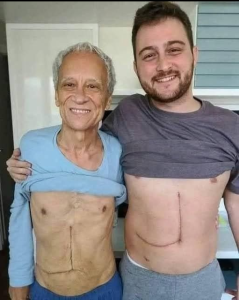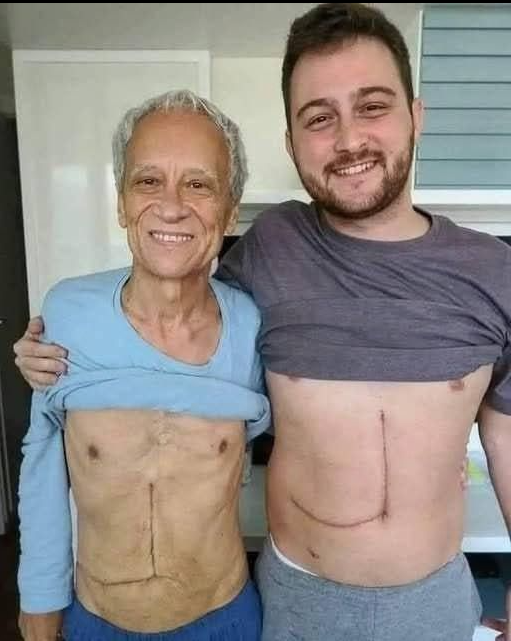
Understanding the Risks and Rewards of Living Liver Donation (1000 Words)
Living liver donation is one of the most remarkable acts of medical altruism in modern healthcare. It allows a healthy individual to donate a portion of their liver to someone whose life depends on a transplant. Because the liver has a unique ability to regenerate, both the donor’s and recipient’s livers can grow back to near-normal size within months. While the procedure can be life-saving and deeply rewarding, it also carries real medical, emotional, and ethical considerations. Understanding both the risks and the rewards is essential for anyone considering becoming a living liver donor.
What Is Living Liver Donation?
Living liver donation involves surgically removing a portion of a healthy person’s liver and transplanting it into a recipient with liver failure or severe liver disease. Typically, adults donate to adults, though adults can also donate smaller portions to children. The amount donated depends on the recipient’s size and needs.
After surgery, the donor’s remaining liver begins regenerating almost immediately, often reaching near-full size within 6 to 8 weeks. The recipient’s transplanted portion also grows, restoring liver function over time.
This procedure is often chosen because deceased-donor livers are in limited supply, and many patients die while waiting on transplant lists. Living donation can significantly reduce wait times and improve survival outcomes.
The Rewards of Living Liver Donation
1. Saving or Transforming a Life
The most profound reward is the knowledge that your donation may save someone’s life. For recipients with end-stage liver disease, transplantation is often the only viable treatment. Living donation can be the difference between life and death.
Even when not immediately life-saving, a transplant can dramatically improve quality of life—relieving chronic pain, fatigue, jaundice, and other debilitating symptoms.
2. Better Outcomes for Recipients
Living donor liver transplants often have better outcomes than deceased-donor transplants. Because the surgery can be scheduled in advance, recipients are usually healthier at the time of transplant, reducing complications and improving long-term survival rates.
3. Emotional and Psychological Fulfillment
Many donors report a deep sense of purpose, pride, and personal fulfillment after donating. Helping a loved one—or even a stranger—can strengthen emotional bonds and provide lasting psychological benefits.
Studies show that most donors feel their decision was worthwhile, even when recovery is challenging.
4. Advancing Medical Science and Compassion
Living donors play a vital role in advancing transplant medicine. Each successful donation contributes to improved techniques, safer procedures, and greater public awareness of organ donation.
The Medical Risks for Donors
Despite its benefits, living liver donation is major surgery and carries significant risks. These must be carefully weighed.
1. Surgical Risks
As with any major operation, risks include:
-
Bleeding
-
Infection
-
Blood clots
-
Adverse reactions to anesthesia
-
Bile leaks or bile duct complications
Although serious complications are uncommon, they can occur and may require additional procedures or prolonged hospitalization.
2. Risk of Liver Failure or Death
In rare cases, donors may experience liver failure. The risk of death from living liver donation is estimated to be around 0.1% to 0.5%, depending on the type of donation and surgical center experience. While small, this risk is real and must be acknowledged.
3. Long-Term Health Effects
Most donors return to normal liver function and daily life. However, some experience:
-
Chronic abdominal discomfort
-
Digestive issues
-
Fatigue lasting months
-
Changes in liver enzyme levels
Long-term studies generally show donors live normal, healthy lives, but ongoing medical follow-up is essential.
Psychological and Emotional Considerations
1. Emotional Stress
Donation can bring emotional challenges, including anxiety before surgery and mood changes during recovery. Some donors feel pressure—especially when donating to a family member—even if no one explicitly forces them.
2. If Outcomes Are Poor
If the transplant fails or the recipient experiences complications or death, donors may feel guilt, grief, or depression, even though outcomes are beyond their control.
For this reason, psychological screening and counseling are critical parts of the donor evaluation process.
Financial and Lifestyle Impacts
1. Time Off Work
Recovery from living liver donation can take 6 to 12 weeks, sometimes longer. This time away from work may create financial strain, particularly for donors without paid medical leave.
2. Medical Costs
While the recipient’s insurance usually covers the donor’s medical expenses related to the surgery, indirect costs—travel, lodging, lost wages, childcare—are often not fully covered.
Some programs and charities offer financial assistance, but coverage varies.
3. Physical Recovery
Donors must temporarily avoid heavy lifting, strenuous activity, and intense exercise. Returning to full physical capacity can take several months.
Ethical Safeguards and Donor Protection
To protect donors, transplant centers follow strict ethical guidelines:
-
Voluntary Consent: Donors must choose freely, without pressure or coercion.
-
Independent Advocate: Donors are assigned a medical advocate whose sole role is to protect the donor’s interests.
-
Right to Withdraw: Donors can change their minds at any time, even on the day of surgery, without explanation.
These safeguards exist to ensure donor safety and autonomy above all else.
Who Can Be a Living Liver Donor?
Eligibility criteria vary but generally include:
-
Good physical and mental health
-
Compatible blood type
-
No significant liver disease
-
No uncontrolled chronic conditions
-
Healthy body weight
-
Non-smoker or willing to quit
Potential donors undergo extensive medical testing to minimize risks.
Weighing the Decision
Living liver donation is not a decision to take lightly. It requires balancing compassion with caution, generosity with self-care. For many donors, the rewards—saving a life, helping a loved one, contributing to humanity—far outweigh the risks. For others, the risks or life circumstances make donation unsuitable, and that choice is equally valid.
There is no “right” decision—only an informed one.
Conclusion
Living liver donation stands at the intersection of medical science, human generosity, and ethical responsibility. It offers extraordinary benefits to recipients and profound emotional rewards to donors, but it also carries genuine medical, psychological, and financial risks.
By fully understanding both the risks and rewards, potential donors can make informed, empowered decisions that respect their own health and well-being while offering hope to others. In a world where organ shortages persist, living liver donors represent one of the most powerful examples of compassion in action