BREAKING: Iranian Parliament Approves the Closure of the “E…” — What It Likely Means, Why It Matters, and What Could Happen Next
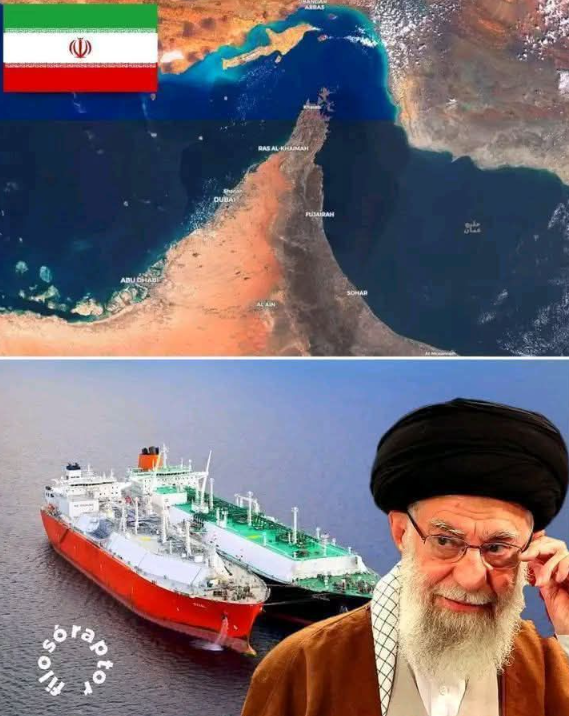
Reports and headlines circulating online claim that Iran’s parliament has approved the closure of the “E…,” a phrase that in most breaking-news contexts is widely understood to refer to the Strait of Hormuz, one of the most critical maritime chokepoints in the world. While such headlines often spread rapidly and sometimes lack crucial context, the possibility alone is enough to send shockwaves through global markets and diplomatic circles. To understand why this kind of announcement is so explosive—and what it actually means—we need to unpack the political process in Iran, the strategic importance of the strait, and the potential regional and global consequences.
What Is the “E…” Likely Referring To?
In geopolitical reporting, when Iranian lawmakers discuss closing a strategic passage, they almost always mean the Strait of Hormuz, the narrow waterway connecting the Persian Gulf to the Gulf of Oman and the Arabian Sea. Roughly 20% of the world’s oil supply passes through this strait every day, along with vast quantities of liquefied natural gas (LNG). Any disruption—even temporary—has immediate effects on oil prices, shipping insurance costs, and global energy security.
What Does “Parliament Approves” Actually Mean in Iran?
Iran’s political system is complex. While the Majles (Iranian parliament) can pass resolutions or vote in favor of certain actions, it does not unilaterally control military or strategic decisions. Ultimate authority over national security rests with:
-
The Supreme National Security Council
-
The Supreme Leader
-
The Islamic Revolutionary Guard Corps (IRGC) in operational terms
Historically, parliamentary votes about closing the Strait of Hormuz have been symbolic or political signals, rather than immediate orders. They are often used to apply pressure during periods of heightened tension with the United States, Israel, or regional rivals.
Why Would Iran Threaten Closure?
Iran has repeatedly framed the Strait of Hormuz as a lever of deterrence. The logic is straightforward:
-
If Iran’s own oil exports are restricted through sanctions or military action,
-
Then Iran argues it should not allow others to export freely through nearby waters.
This rhetoric typically intensifies after:
-
New sanctions
-
Military strikes or assassinations
-
Naval incidents
-
Escalations involving Israel or U.S. allies
A parliamentary vote approving closure often serves as a warning, not an immediate act.
Immediate Global Reactions
Whenever such news breaks, even without confirmation, the effects are felt almost instantly:
-
Oil prices spike on futures markets
-
Shipping companies reroute or delay vessels
-
Insurance premiums for tankers surge
-
Stock markets wobble, especially in energy-importing countries
For nations like Japan, South Korea, India, and many European states—heavily dependent on Gulf energy—any sustained closure would be economically devastating.
Military and Legal Implications
International law, including the United Nations Convention on the Law of the Sea (UNCLOS), recognizes the right of “transit passage” through international straits. Iran disputes parts of UNCLOS interpretation but has historically stopped short of fully blocking the strait.
A genuine closure would almost certainly trigger:
-
International naval intervention, led by the U.S. and allied fleets
-
Possible limited naval clashes
-
Heightened risk of miscalculation or escalation
The U.S. Fifth Fleet, based in Bahrain, exists largely to ensure free navigation through these waters.
Historical Precedent
Iran has never fully closed the Strait of Hormuz, even during:
-
The Iran–Iraq War
-
Periods of maximum U.S. sanctions
-
Previous parliamentary threats
Instead, Iran has relied on:
-
Harassment of vessels
-
Seizure of specific tankers
-
Naval exercises and missile tests
-
Political signaling through lawmakers
This pattern suggests that a parliamentary “approval” should be read as strategic messaging rather than immediate action.
What Happens Next?
If the report is accurate, several scenarios are possible:
-
Symbolic Escalation – The vote is used to strengthen Iran’s negotiating position or respond rhetorically to perceived threats.
-
Limited Maritime Pressure – Increased inspections, warnings, or targeted seizures rather than full closure.
-
Diplomatic Backchanneling – Quiet negotiations to de-escalate while maintaining public posturing.
-
Worst-Case Escalation – A miscalculation at sea leading to confrontation, though this remains the least likely outcome.
Why Caution Is Essential
In the age of viral headlines, phrases like “BREAKING” and “APPROVES THE CLOSURE” can easily be misunderstood. Without confirmation from multiple official sources, such claims should be treated carefully. Markets and governments watch not just words, but actual movements of ships, missiles, and naval forces.
Bottom Line
If Iranian lawmakers have indeed voted to approve the closure of the “E…”—almost certainly the Strait of Hormuz—it represents a serious geopolitical signal, not an automatic shutdown of global energy flows. History shows that Iran uses such announcements as leverage, while stopping short of actions that would provoke overwhelming international response.
Still, even the threat underscores how fragile global energy security can be, and why a narrow stretch of water thousands of miles away can affect fuel prices, inflation, and political stability worldwide. Whether this moment becomes another chapter of rhetoric—or the beginning of a deeper crisis—will depend on decisions made far beyond a parliamentary chamber