“OBAMA TRAPPED?” — The Renewed ‘Russiagate’ Storm and the Reality Behind Grand Jury Claims
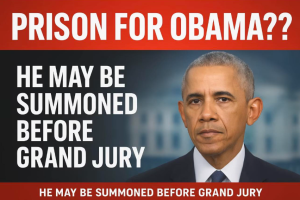
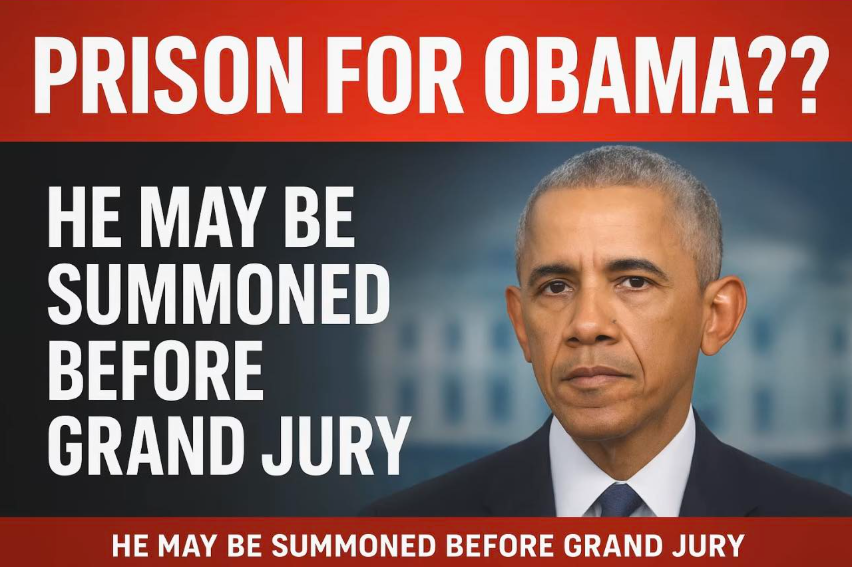
In recent weeks, political headlines and viral posts have exploded with a dramatic claim: that former President Barack Obama could somehow face a grand jury over “Russiagate.” Phrases like “Obama trapped,” “the walls are closing in,” and “justice is coming” are spreading rapidly across social media, conservative talk shows, and partisan blogs.
But what lies beneath the rhetoric? Is there a real legal pathway that could place a former president before a grand jury? Or is this another chapter in America’s long-running political information war?
To understand the moment, we must separate emotion, politics, and law — and revisit what Russiagate actually was.
What Was “Russiagate,” Really?
“Russiagate” refers to allegations that Russia interfered in the 2016 U.S. presidential election, primarily to benefit Donald Trump, and that members of Trump’s campaign may have coordinated with that effort.
Key elements included:
-
The FBI’s Crossfire Hurricane investigation
-
Surveillance of Trump campaign adviser Carter Page
-
The Steele dossier, a collection of unverified claims
-
The Mueller investigation, which ran from 2017–2019
Crucially:
-
Robert Mueller did NOT conclude that Trump or his campaign conspired with Russia
-
Multiple procedural failures by the FBI were later documented
-
Inspector General reports criticized misconduct, sloppiness, and bias — but did not charge Obama or his senior officials with crimes
This distinction matters enormously.
Why Obama’s Name Keeps Reappearing
The renewed focus on Barack Obama stems from long-standing conservative arguments that:
-
The Obama administration politicized intelligence agencies
-
Surveillance tools were abused against political opponents
-
Senior officials knew or should have known the Steele dossier was unreliable
Critics argue that because these events occurred while Obama was president, he bears responsibility — at least politically, and possibly legally.
Supporters counter that:
-
Obama was briefed by intelligence agencies
-
The FBI and DOJ acted independently
-
No evidence has ever surfaced showing Obama ordered illegal actions
That’s the fault line.
The Grand Jury Claim: How It’s Being Framed
The most explosive claim being circulated is that Obama could face a grand jury related to Russiagate.
This idea is usually based on:
-
Calls from political commentators, not prosecutors
-
Hypothetical arguments about abuse of power
-
Misinterpretation of congressional investigations
-
Confusion between review, oversight, and criminal prosecution
Importantly:
No federal prosecutor has announced a criminal investigation into Barack Obama.
No grand jury has been publicly convened to examine his actions.
No credible legal authority has stated charges are imminent.
The phrase “could face” is doing a lot of work — and that ambiguity fuels viral outrage.
Legal Reality: Why a Grand Jury Is Extremely Unlikely
To bring a former president before a grand jury, prosecutors would need:
-
Specific criminal statutes violated
-
Evidence of intent
-
A clear causal chain linking Obama personally to illegal acts
-
Approval within the Department of Justice
That threshold is enormous.
Presidents enjoy:
-
Broad discretion over national security
-
Legal insulation for official acts
-
Presumptions of good faith unless proven otherwise
Even controversial decisions — surveillance approvals, intelligence briefings, interagency coordination — are not crimes by default.
No prosecutor has presented evidence that Obama:
-
Ordered illegal surveillance
-
Falsified intelligence
-
Directed the FBI to violate the law
Without that, a grand jury claim remains political theater, not legal reality.
Why the Narrative Persists Anyway
If the legal footing is so weak, why does this story keep resurfacing?
1. Political Retaliation
Many Trump supporters view Russiagate as a years-long attempt to delegitimize his presidency. Calls to investigate Obama are often framed as “accountability” or “equal justice.”
2. Distrust of Institutions
Faith in the FBI, DOJ, and intelligence agencies has eroded. For many Americans, “no charges” does not equal “no wrongdoing.”
3. Media Economics
Outrage headlines drive clicks. “Obama could face a grand jury” spreads far faster than “legal experts say no case exists.”
4. Symbolism
Obama represents the establishment to his critics. Targeting him is less about courtrooms — and more about narrative power.
What Investigations Have Actually Found
Multiple reviews have already examined Russiagate:
-
DOJ Inspector General (2019): Found serious FBI errors, but no political conspiracy directed by Obama
-
Durham investigation: Criticized FBI conduct, resulted in few charges, none against Obama or top officials
-
Congressional hearings: Generated political conflict, not criminal referrals
These processes disappointed those expecting sweeping prosecutions — and fueled claims of a “cover-up.”
Could This Change in the Future?
In theory, anything is possible. A future administration could:
-
Order new reviews
-
Declassify additional documents
-
Reopen investigations
But in practice:
-
Statutes of limitation apply
-
Evidence degrades over time
-
Prosecutors avoid cases that appear politically motivated
Charging a former president without overwhelming evidence would risk constitutional crisis and institutional damage.
That reality restrains even the most aggressive political actors.
The Bigger Picture: Politics vs. Justice
The “Obama trapped” narrative reflects a deeper American struggle:
-
Can institutions investigate power without becoming political weapons?
-
Where does accountability end and vengeance begin?
-
Can the public still distinguish legal fact from political storytelling?
Russiagate fractured trust across the political spectrum. The aftershocks continue — not because new evidence has emerged, but because the wounds never healed.
Conclusion: Drama Without a Courtroom
Despite the dramatic headlines, Barack Obama is not facing a grand jury, nor is there verified evidence that he will