“Iran Will Strike America Tonight”: How Urgent War Rumors Spread and Why Caution Matters
In the age of social media and instant news, few phrases spread faster than “urgent,” “breaking,” or “tonight.” When combined with the possibility of war between Iran and the United States, such headlines can trigger fear across the world within minutes. Claims that “Iran will strike America tonight” have appeared repeatedly over the years, often going viral before any official confirmation exists. Understanding why these rumors emerge—and how to evaluate them—is essential in a world where misinformation can be just as dangerous as weapons.
The Power of Fear-Based Headlines
Fear is one of the strongest emotional triggers. When people see words like attack, strike, or war, the brain reacts before logic has time to catch up. Social media algorithms amplify this effect by promoting content that generates strong emotional reactions. A post suggesting an imminent military strike is almost guaranteed to be shared, commented on, and debated—regardless of whether it is true.
Many of these headlines are deliberately vague:
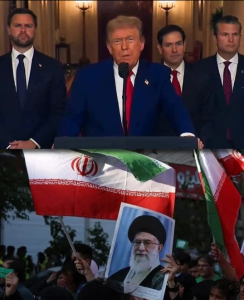
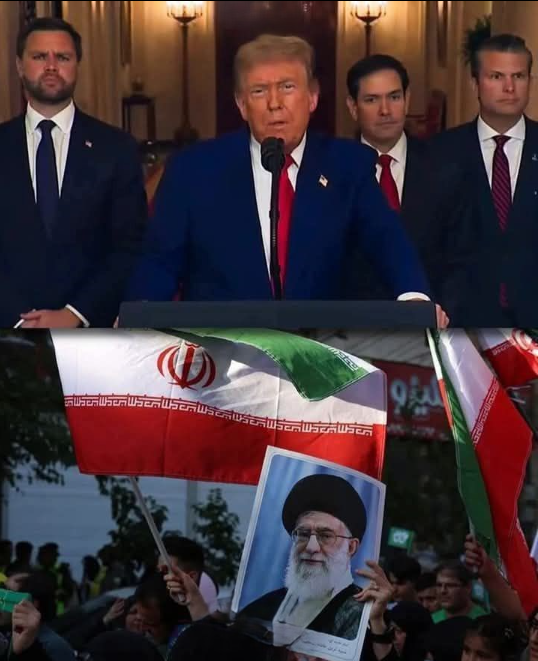
“Iran will strike America tonight and will start with the state of…”
The sentence is often cut off to force readers to click “See more.” This tactic is known as engagement bait, and it is commonly used by unreliable pages seeking attention, followers, or ad revenue rather than accuracy.
What Would a Real Imminent Strike Look Like?
If a nation like Iran were genuinely preparing to launch an immediate attack on the United States, the signs would be unmistakable and impossible to hide. These would include:
-
Emergency statements from the White House and the Pentagon
-
Visible military mobilization and alerts
-
International diplomatic reactions from allies and the United Nations
-
Wall Street market shocks and global airline disruptions
Such developments cannot remain secret for long. A real, confirmed threat would dominate every major international news outlet simultaneously—not just appear as a viral social media post.
The Reality of U.S.–Iran Tensions
There is no denying that relations between Iran and the United States have been tense for decades. Disputes over nuclear programs, sanctions, regional influence, and military presence in the Middle East have repeatedly brought the two countries close to confrontation. However, tension does not automatically mean imminent war.
Both governments understand that a direct military conflict would be catastrophic—not just for them, but for the global economy and civilian populations. This is why most confrontations occur through diplomacy, sanctions, cyber activity, or indirect actions rather than direct attacks on U.S. soil.
Why “Tonight” Claims Are Almost Always False
Statements that specify immediate timing—such as “tonight,” “within hours,” or “any minute now”—are one of the biggest red flags of misinformation. Military operations at that scale require massive coordination and preparation. They are not announced casually, leaked recklessly, or revealed first through anonymous social media posts.
Historically, when war rumors include exact timing without official confirmation, they almost always turn out to be false, exaggerated, or deliberately misleading.
The Role of Psychological Warfare and Disinformation
Not all false war rumors are created for clicks. Some are part of psychological warfare, designed to spread panic, undermine trust in institutions, or provoke emotional reactions. In times of global tension, hostile actors may intentionally spread alarming narratives to test public response or destabilize societies without firing a single shot.
This is why governments and security experts constantly urge the public to rely on verified sources, not viral posts.
How to Protect Yourself From False War Alerts
When you encounter alarming claims like this, ask yourself:
-
Who is the source? Is it a recognized news organization or an anonymous page?
-
Is there confirmation elsewhere? Real emergencies appear across many credible outlets at once.
-
Is the language emotional or factual? Excessive emojis, capital letters, and urgency are warning signs.
-
Are officials quoted directly? Vague references to “insiders” or “sources say” without names are unreliable.
If these elements are missing, skepticism is not only reasonable—it is necessary.
The Real Danger of Spreading Unverified Claims
Even when no attack occurs, viral war rumors can have real consequences. They can cause panic buying, stress-related health issues, financial market volatility, and public distrust. In extreme cases, misinformation can even influence political decisions or provoke unnecessary escalation.
Sharing unverified claims, even “just in case,” helps misinformation spread faster than the truth.
Conclusion: Stay Informed, Not Alarmed
Claims that “Iran will strike America tonight” should never be accepted at face value without clear, official confirmation. While global tensions are real and serious, panic-driven headlines are not the same as facts. In an era where information travels faster than verification, calm analysis is one of the most powerful tools we have.
Staying informed means checking sources, waiting for confirmation, and resisting the urge to react emotionally to fear-based narratives. War is too serious a subject to be reduced to clickbait—and truth deserves more patience than panic.