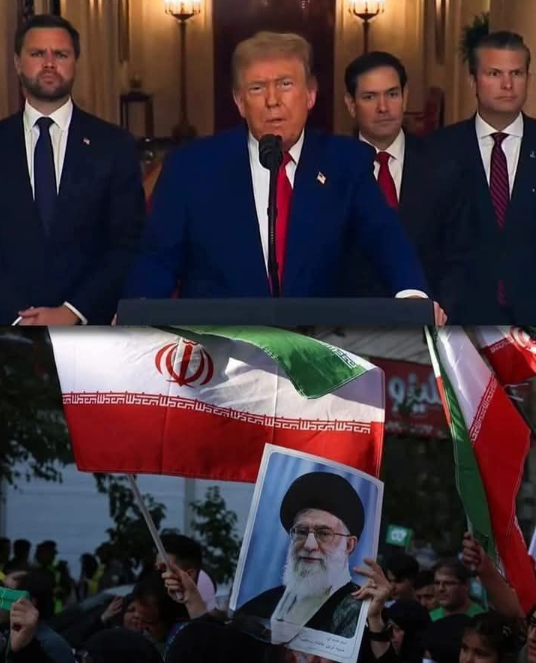
1. There Is No Verified Intelligence That Iran Will Strike America Tonight
At this moment, credible intelligence agencies and major international news outlets are not reporting that Iran will launch an imminent attack on the United States or on any specific U.S. state tonight. Viral social media posts claiming this are unsubstantiated rumors and should not be treated as factual. These claims appear on platforms like Facebook without credible sourcing or verification. facebook.com+1
Major news organizations with access to intelligence sources have not confirmed any such specific threat today or with a precise timeline. In fact, the Department of Homeland Security has previously issued general advisories about a heightened threat environment due to U.S.–Iran tensions — but they have explicitly stated that there are no specific, credible threats targeting U.S. citizens or cities at this time. Reuters
In short: no government authority has confirmed that Iran will strike the U.S. tonight.
2. Why These Rumors Spread So Easily
Social media magnifies fear-based messages for several reasons:
-
Emotion drives engagement. Messages that claim an “urgent attack tonight” spark immediate fear and attention.
-
Lack of verification. Posts aren’t fact-checked before they are shared.
-
Political tensions. Ongoing tensions between Iran and the United States make it easier for rumors to seem plausible.
These posts often originate from unverified accounts and are not supported by evidence from credible news outlets.
3. What We Do Know About U.S.–Iran Tensions (Based on Confirmed Reporting)
A. Long-Term U.S.–Iran Tension
The United States and Iran have had hostile relations for decades. After the 1979 Iranian Revolution, diplomatic ties broke off, and the two nations have sparred over issues including Iran’s nuclear program, regional influence, sanctions, and support for opposing military groups. Al Jazeera
B. Military Strikes and Retaliation
In June 2025, the United States and Israel carried out military strikes against Iranian nuclear facilities. This was a major escalation that drew international attention and condemnation from some global leaders. Reuters
After those strikes:
-
Iran warned of “severe consequences” for the U.S. and its allies.
-
Iran conducted retaliatory missile attacks against U.S. bases in the region, such as in Qatar.
-
The Department of Homeland Security issued a threat advisory in the U.S., noting a heightened threat environment but no specific plot against U.S. cities at the time. fox26houston.com+1
C. Current Government Actions
As recently as Dec 18, 2025, the U.S. Senate has passed legislation increasing intelligence resources to monitor and counter threats from Iran, including cyberattacks and proxy militia activities. This reflects ongoing concern but is defensive in nature — it is not confirmation of an imminent Iranian military strike on U.S. soil. Iran International
4. Differences Between General Risks and Specific Threats
It’s important to distinguish between these:
| Type of Threat | What It Means | Credible Evidence? |
|---|---|---|
| Heightened threat environment | DHS and law enforcement are alert for possible activity | Yes, general advisory exists fox26houston.com |
| Intelligence warnings | Government monitoring potential Iranian capabilities | Yes, long-term monitoring and defense laws passed Iran International |
| Specific military strike planned tonight on U.S. soil | Targeted attack on American state tonight | No credible evidence |
| Proxy actor attacks (non-state militia) | Actors connected to Iran could act independently | Potential risk — but not confirmed or imminent targeting a U.S. state |
In other words: a heightened alert does not equal a known, imminent attack.
5. What Iran Actually Has Done in Past Conflicts
While there is historic precedent for Iran launching missile and drone attacks, these have been directed at:
-
U.S. military bases in the Middle East, not U.S. cities.
-
Regional conflicts, not official war declarations against the U.S. homeland.
For example:
-
In January 2020, Iran fired ballistic missiles at U.S. forces in Iraq after the killing of Iranian General Qasem Soleimani. Wikipedia
-
During the 2023–24 Middle East conflicts, Iran-backed groups attacked U.S. bases in Syria and Iraq. Wikipedia
None of these historical events involved direct attacks inside the United States.
6. What Intelligence and Security Agencies Are Saying
U.S. agencies such as:
-
Department of Homeland Security (DHS)
-
FBI
-
U.S. intelligence community
have all issued warnings about potential risks, particularly related to cyberattacks, influence operations, and the possibility of proxy militias taking action — but again, not a confirmed plan by Iran to strike the U.S. directly tonight. U.S. Department of State
The FBI has long described Iran’s capabilities in areas like cyber operations and proxy groups, but these are not the same as state-directed imminent attacks on U.S. soil. fbi.gov
7. What You Should Do Right Now
Stay Calm and Verify
If you see another message claiming “Iran will strike tonight,” check whether the source is:
-
A major international news organization (e.g., Reuters, AP, BBC, Al Jazeera).
-
A statement from an official government body (e.g., DHS, White House, Pentagon).
-
Not just a social media post without attribution.
If not, treat it with skepticism.
Follow Official Guidance
In the very unlikely event of a real threat, official U.S. government channels (FEMA, DHS, local authorities) would provide guidance on:
-
Evacuations
-
Shelter-in-place orders
-
Emergency alerts on phones
These are the channels to follow — not viral social media posts.
8. Why This Matters
False claims about imminent attacks can cause:
-
Unnecessary panic
-
Misinformation spread
-
Strain on emergency services
-
Political polarization
Being informed based on credible sources helps you separate real risk from rumor.
9. Final Bottom Line
📌 There is currently no verified information confirming that Iran will strike the United States tonight, nor any evidence of a planned attack starting with a specific U.S. state.
📌 U.S. agencies have issued general threat advisories due to long-term tensions, but these are not alerts of an imminent military strike.
📌 Social media rumors should be treated with caution and checked against reputable news and government sources.