KOBE BRYANT: THE FIRE THAT NEVER WENT OUT
The story of Kobe Bryant doesn’t begin with a trophy raised overhead or a buzzer-beater dropped through the net—those came later, after years of sweat, hunger, and a relentless devotion to greatness. It begins with a boy in Italy, dribbling a worn basketball on cracked pavement, dreaming bigger than the world around him could contain.
Kobe was different from the start. When other kids finished practice, he stayed. When others slept, he studied tapes. When others took breaks, he sharpened his craft. The ball was not just an object; it was an extension of him, a language he spoke fluently long before he mastered English.
His father, Joe Bryant, had given him the game. But the obsession?
That came from somewhere deeper—some furnace that burned behind Kobe’s eyes, pushing him further than anyone believed a teenager could go.
At 18, he entered the NBA draft, a skinny kid with fearless ambition. People questioned him before he ever stepped onto the hardwood. Too young. Too raw. Too confident. But Kobe had a way of turning doubt into fuel. His fire thrived on skepticism.
Then came the trade to the Lakers. Purple and gold. The spotlight. The pressure. The legacy of legends echoing throughout the halls of the Great Western Forum. Kobe didn’t flinch. He embraced it.
And the world soon saw why.
Within a few years, he became something the league hadn’t seen in generations: a guard with the footwork of a dancer, the IQ of a coach, and the mentality of a warrior. He moved with purpose, every step a calculated attack, every jab step a message—“I’m coming for you.”
His partnership with Shaquille O’Neal became the stuff of folklore. Together, they ruled the early 2000s, unstoppable forces who turned playoff battles into Hollywood spectacles. Three championships in a row, each one earned with sweat and blood.
But Kobe’s greatness wasn’t simply the rings. It was the obsession with getting better. The 4 AM workouts. The refusal to be outworked by anyone. That unforgettable mentality—Mamba Mentality—turned into a global philosophy. People didn’t just admire Kobe; they tried to be Kobe. Teachers used his words in classrooms. CEOs quoted him in boardrooms. Athletes in every sport invoked his mindset.
He carried that mentality into every season, every game, every possession.
Then, adversity struck. Injuries. Criticism. Even betrayal—real or perceived—by teammates or management. But Kobe never shrank from turmoil. He rebuilt himself through the fire, piece by piece. When others would have crumbled, he sharpened his focus.
In 2006, he delivered a moment that rewrote the record books.
81 points.
The second-highest scoring game in NBA history.
People watching didn’t just cheer—they sat stunned, witnessing something bordering on myth. Kobe didn’t smile. He didn’t gloat. He approached it the way he approached everything: calculated, disciplined, almost surgical. That night, the world understood: this wasn’t just a basketball player. This was an artist, carving his legacy one possession at a time.
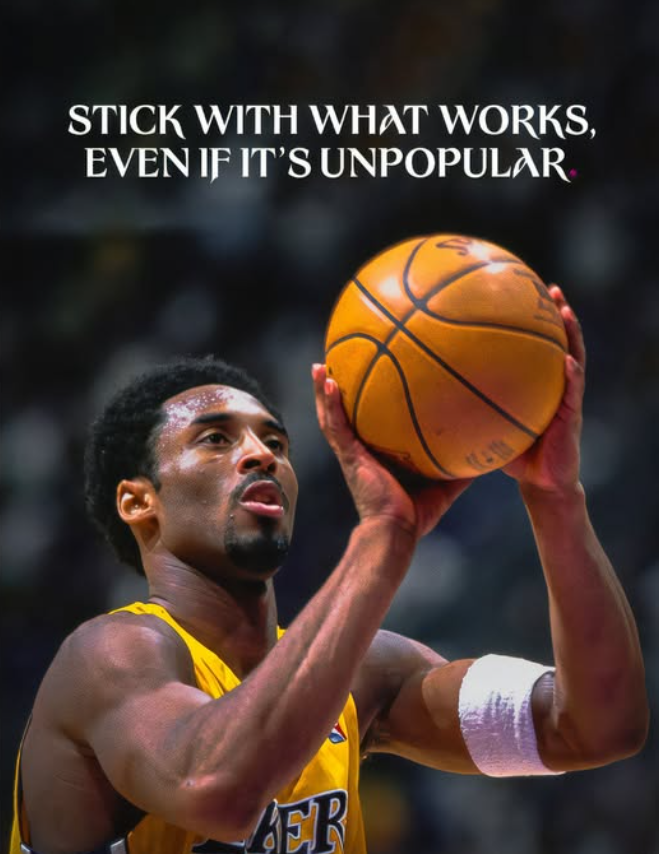
Then came the Achilles tear in 2013. It should have ended his career. But Kobe Bryant wasn’t built like everyone else. When the tendon snapped, he didn’t collapse. He didn’t curse. He didn’t give up. He got up—and walked to the free-throw line.
Two shots.
Two perfect makes.
Then he walked off under his own power, refusing help.
It became one of the most iconic images in sports history—a symbol of resilience, grit, and the iron will that defined him.
Recovery was brutal. The pain, the rehab, the lonely grind. But Kobe returned, because that’s what Kobe always did. Even if his body resisted, his spirit refused to surrender.
By 2016, the end was inevitable. Time had finally slowed the man who once seemed unstoppable. But he wasn’t going out quietly. His final game would be one last masterpiece.
The crowd at Staples Center buzzed with anticipation. Celebrities filled the seats. Fans wore his jerseys, tears already forming before tip-off. Kobe took the court knowing he had one more story to tell—one more moment to etch into legend.
He delivered something outrageous, impossible, unforgettable:
60 points.
A cinematic farewell. A final explosion of everything that made him Kobe: the creativity, the footwork, the accuracy, the unfaltering will. When he delivered his final line—“Mamba out.”—the entire world felt it.
He walked off the court not as a player, but as a myth.
But Kobe Bryant wasn’t finished creating.
Retirement gave him time to become something new: a storyteller. A mentor. A creator. He won an Oscar for his animated short Dear Basketball. He coached youth teams, teaching a generation how to find their inner flame. He spent time with his daughter, Gigi, who inherited his fire, his swagger, his joy for the game.
The world thought we’d get decades more of Kobe—more stories, more lessons, more moments of inspiration.
Then came the day that froze time.
January 26, 2020.
News broke. Confusion. Denial. The unthinkable happened. Kobe, Gigi, and seven others were gone. The world felt smaller. Dimmer. Quieter.
Fans gathered outside the arena. Flowers piled in mountains. Murals appeared overnight. Grown men cried openly in the streets. Legends spoke with trembling voices. Because Kobe wasn’t just an athlete; he was a symbol—of excellence, of perseverance, of never backing down.
But even in grief, something powerful happened.
People began to realize that Kobe’s fire didn’t die. It transferred. Into every person who chooses discipline over excuses. Into every athlete who trains harder because they remembered his words. Into children who repeat his speeches before big games. Into adults who whisper “Mamba Mentality” when life feels too heavy.
Kobe Bryant left the world with a blueprint:
Be relentless.
Be intentional.
Be better than you were yesterday.
And never, ever lose the fire.
The legend of Kobe Bryant doesn’t end with the tragedy—it continues in every person inspired by his journey. Kobe showed us that greatness isn’t born; it’s crafted, sharpened, and fought for. Every day. Every hour. Every decision.
The Black Mamba is gone, but the mentality?
The fire?
Still burning. Always.