Signs in Your Eyes That Indicate Important Health Clues
Your eyes are often described as the “windows to the soul,” but they’re also windows to your overall health. Long before modern technology, healers and doctors would look into a person’s eyes for signs of illness, stress, or imbalance. Today, with advanced medical science, we know that your eyes can reveal early warnings about both eye-related conditions and diseases affecting other parts of the body. Many of these signs are subtle, easy to overlook, and usually harmless—but some deserve attention.
Below is a detailed, 1000-word look into the surprising clues your eyes may give about your health, from common everyday indicators to rare but important signals.
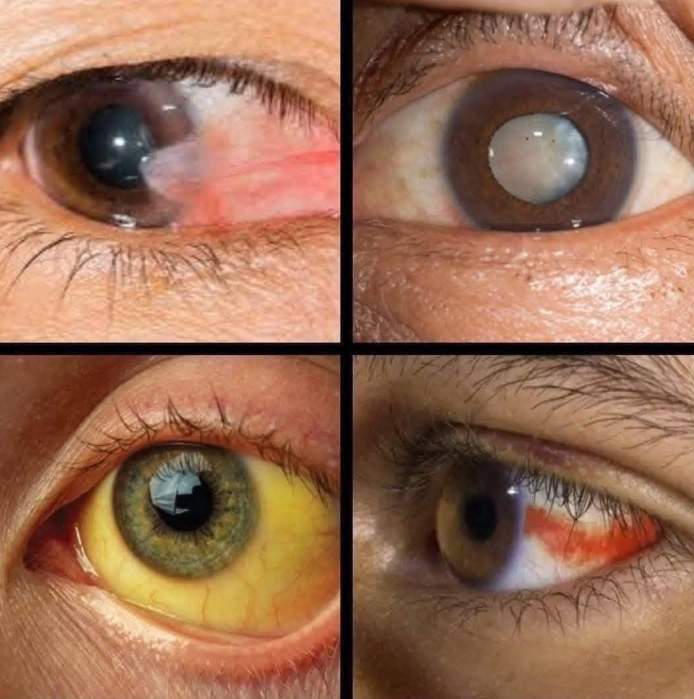
1. Yellowing of the Eyes: A Sign of Jaundice or Liver Stress
One of the most noticeable eye-related signs is a yellow tint in the whites of the eyes. This condition, called jaundice, occurs when there is too much bilirubin in the blood. It can indicate problems with:
-
The liver
-
The gallbladder
-
The pancreas
-
Bile ducts
Sometimes dehydration or certain medications can also contribute. While mild yellowing may temporarily appear due to fatigue, persistent yellow eyes should be evaluated by a doctor. It’s one of the clearest signs that the liver needs attention.
2. Redness or Bloodshot Eyes: Not Just Lack of Sleep
Red eyes happen for many common reasons: allergies, late nights, smoke exposure, or irritants. But chronic or severe redness can also point to underlying issues such as:
-
Eye infections
-
High blood pressure
-
Dry eye disease
-
Blepharitis
-
Conjunctivitis
If redness comes with pain or disturbing vision changes, it should be checked promptly.
3. Sudden Blurred Vision: A Warning Signal
Blurry vision that comes on suddenly is not something to ignore. Possible causes include:
-
High blood sugar spikes
-
Migraine aura
-
Eye inflammation
-
Stroke warning signs
-
Retinal detachment
When blurry vision is persistent, it might indicate diabetes-related eye damage or age-related changes. Any sudden shift in vision requires medical attention.
4. Eye Twitching: Usually Harmless, Sometimes a Signal
Most people experience eyelid twitching at some point. The good news: in most cases, it’s harmless and caused by:
-
Stress
-
Caffeine
-
Fatigue
-
Eye strain
-
Lack of sleep
Rarely, chronic twitching may indicate:
-
Magnesium deficiency
-
Nerve irritation
-
Certain neurological conditions
If twitching lasts for weeks or affects the entire eye, evaluation is recommended.
5. Dark Circles and Puffiness: More Than Just Tiredness
Dark circles often appear after a long night, but they may also reveal:
-
Dehydration
-
Sinus congestion
-
Allergies
-
Genetics
-
Aging
-
Poor sleep quality
Puffy eyes may point to fluid retention from high salt intake, allergies, or even thyroid imbalance.
6. Floaters or Flashes: Important to Monitor
Seeing small floating specks is common, especially with age. They’re usually harmless bits of gel inside the eye. However, if you suddenly see:
-
Many more floaters
-
Bright flashes of light
-
A shadow in your vision
…it could indicate retinal detachment or a tear. This is urgent and needs medical care immediately.
7. Cloudy or Hazy Vision: A Sign of Cataracts
Cataracts form slowly and cause:
-
Foggy or cloudy vision
-
Glare around lights
-
Difficulty seeing at night
Cataracts are common with aging and can be treated successfully with surgery. Cloudiness in one or both eyes over time is a classic sign.
8. A Gray Ring Around the Iris: Arcus Senilis
A pale or grayish ring forming around the iris is common in adults over 50. Known as arcus senilis, it’s usually harmless. However, in younger people, it may be a sign of high cholesterol or lipid imbalance.
9. Bulging Eyes: A Possible Thyroid Issue
When the eyes appear to bulge or protrude, the condition may be linked to thyroid imbalance, especially hyperthyroidism or Graves’ disease. Other signs include:
-
Dry eyes
-
Eye pressure
-
Light sensitivity
-
Eyelid retraction
This is something that requires medical evaluation.
10. Drooping Eyelids (Ptosis): Sometimes a Nerve Issue
A slightly drooping eyelid can be natural with age, but sudden or severe drooping may point to:
-
Nerve damage
-
Muscle weakness
-
Stroke warning
-
Migraine onset
-
Reaction to certain medications
If one eyelid suddenly drops, it’s important to seek medical help quickly.
11. Eye Pain or Pressure: Pay Attention
Pain in or behind the eyes can be caused by:
-
Sinus infections
-
Migraines
-
Eye strain
-
Inflammation
-
Glaucoma
Glaucoma is particularly important—it’s a condition involving high pressure inside the eye that can damage the optic nerve. It may cause headaches, eye pain, halos around lights, or blurry vision.
12. Excessive Tearing or Dryness: Two Sides of the Same Problem
Your tears protect and moisturize your eyes. Too much or too little tear production can be a sign of:
-
Dry eye syndrome
-
Allergies
-
Autoimmune conditions
-
Blocked tear ducts
-
Environmental irritation
If your eyes feel gritty, burn, or water constantly, the tear balance may be off.
13. Uneven Pupils: Occasionally a Serious Sign
Sometimes one pupil is larger than the other, known as anisocoria. This can be harmless if it’s been that way all your life. But sudden changes can indicate:
-
Head injury
-
Nerve damage
-
Stroke symptoms
-
Reaction to medications
New or unexplained changes in pupil size should be examined quickly.
14. Difficulty Seeing at Night
Struggling to see clearly in low light can indicate:
-
Vitamin A deficiency
-
Early cataracts
-
Nearsightedness
-
Retinal conditions
Night vision changes should not be ignored, especially if they worsen over time.
15. Eye Color Changes: Rare but Important
A sudden change in the color of part of the iris is uncommon but may signal:
-
Inflammation
-
Pigment dispersion
-
Injury
-
Tumor (rare)
Gradual changes from aging are normal, but sudden shifts require medical attention.
Final Thoughts
Your eyes tell stories—stories of fatigue, stress, hydration, blood pressure, and overall inner health. Most of the signs described above are common and often harmless, but knowing them empowers you to recognize when something might need closer attention.
Whenever your eyes show:
-
Sudden changes
-
Persistent discomfort
-
Severe pain
-
Vision loss
-
Unusual discoloration
…it’s important to seek professional evaluation. By understanding the signals your eyes send, you can catch issues earlier, protect your vision, and support better health throughout your life.