What a Woman’s Legs Really Reveal: Separating Myth From Reality (1,000 Words)
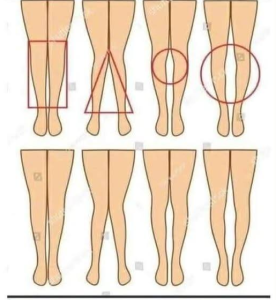
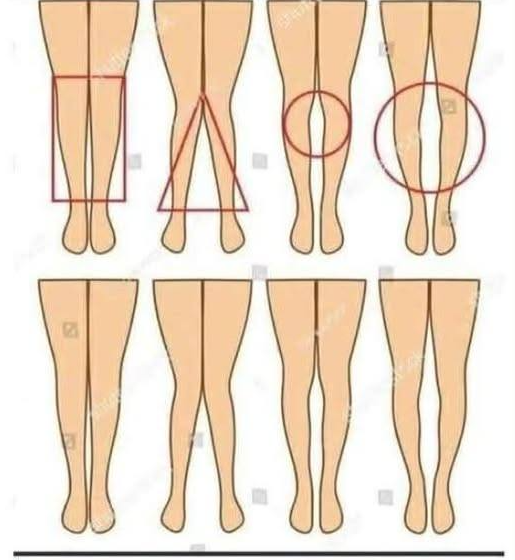
For generations, people have tried to interpret personality, emotions, and even destiny by examining different parts of the body. From the way someone walks to the way they fold their arms, observers have tried to draw conclusions—sometimes accurately, often wildly incorrectly. One of the most persistent viral claims on social media is the idea that a woman’s legs can reveal deep truths about her character, her confidence, or even her personal life. These posts typically appear with bold headlines, dramatic captions, and promises to reveal “the secret meaning behind leg shape, length, or posture.”
But how much of that is true? And how much is simply clickbait designed to pull in readers looking for an easy explanation of human behavior?
The truth is more nuanced—and far more interesting—than viral posts suggest. While the shape or length of a woman’s legs reveals nothing about her morality, value, or personality, the way she uses her legs—her posture, her stance, her pace—can offer clues about her mood or confidence level just like any other aspect of body language. These clues apply to all humans, not just women, and interpreting them requires context, empathy, and common sense rather than superstition.
Let’s explore what body language science actually says, what myths persist online, and why it matters to understand the difference.
1. The Myth: “Leg Shape Reveals Personality”
Many viral posts claim that the natural shape of a woman’s legs can predict her personality traits. For example, some claim that someone with long legs is bold, someone with thicker legs is nurturing, or someone with toned legs is more disciplined.
These claims are not supported by science.
Leg shape is influenced by genetics, lifestyle, anatomy, and sometimes injury—but none of these factors can reliably predict personality. Human personality is shaped by environment, upbringing, experiences, values, and countless psychological factors that have nothing to do with physical proportions.
The myth persists simply because people like simple explanations. It feels satisfying to believe we can instantly “decode” someone. But human beings are far too complex for that.
2. What Posture Can Actually Reveal
While leg shape tells you nothing about someone’s character, leg posture—how someone stands or sits—can offer clues about their feelings in the moment. These cues are subtle and must always be understood in context.
Here are some common examples of posture-based interpretations:
• Crossed legs while sitting
This position can mean comfort, habit, or warmth—especially in colder settings. Some interpret it as a sign of shyness or reservation, but that’s not always true. Many people cross their legs simply because it feels natural.
• Legs firmly planted while standing
This can indicate confidence, grounding, and readiness. When someone stands with feet shoulder-width apart, they often appear stable and assertive.
• Weight shifting from one foot to the other
Often a sign of discomfort, impatience, or fatigue. It can signal that the person is unsure or eager to move on—but again, it may simply mean their shoes are uncomfortable.
• Quick, energetic steps while walking
Usually indicates purpose, motivation, or urgency. Some people naturally walk fast, while others move at a calmer pace.
• Very slow walking pace
This can mean thoughtfulness or relaxation. But it may also be a matter of physical ability, mood, or simply enjoying a slower rhythm.
The key point: posture and movement reflect temporary emotions, not permanent personality traits.
3. Cultural Influence on Interpretation
One reason people misinterpret leg posture is that body language varies across cultures. What is considered polite, modest, or confident in one region may be interpreted completely differently in another.
For example:
-
In some cultures, crossing your legs while sitting is a sign of refinement.
-
In others, crossing your legs can be perceived as disrespectful in formal settings.
-
Some cultures emphasize modesty in posture, influencing how women stand or sit publicly.
-
Others promote relaxed, casual stances as a sign of openness.
Because body language is contextual, you can’t make sweeping assumptions about someone’s character based on how they position their legs.
4. Confidence and Leg Movement
If there is any area where leg behavior might reveal something meaningful, it’s in confidence signals. Confident individuals—regardless of gender—tend to display certain patterns:
-
Steadier steps
-
More deliberate movement
-
More grounded posture
-
Less fidgeting
Meanwhile, someone feeling anxious or uncertain may:
-
Tap their foot
-
Shift weight frequently
-
Take smaller or uneven steps
-
Keep their legs close together
These are natural, human behaviors shared by all genders. They reflect emotion, not personality. And even these cues can be misleading—for example, someone may shift their weight due to chronic pain, not anxiety.
5. Why These Myths Persist
Posts claiming that leg shape or length reveals personality spread quickly for several reasons:
• They appeal to curiosity
People like quick answers and enjoy the illusion of reading others easily.
• They oversimplify complexity
It’s easier to believe personality comes from physical traits than to understand psychological development.
• They reinforce stereotypes
Unfortunately, many old beliefs used body shape to judge a woman’s worth or behavior. Even modern social media sometimes repackages these stereotypes in new forms.
• They are designed for clicks
The more sensational the headline, the more engagement it receives—and that’s often the goal.
Recognizing these patterns helps people avoid misinformation.
6. The Truth: Human Behavior Is Rich and Multifaceted
Rather than focusing on a single physical trait, it’s far more insightful—and respectful—to observe a person’s overall communication style:
-
Tone of voice
-
Facial expressions
-
Word choice
-
Energy level
-
Openness in conversation
-
Eye contact
-
Emotional awareness
These factors paint a much richer—and far more accurate—picture of someone’s personality than leg shape or posture ever could.
Personality cannot be “seen” in body parts. It is lived, expressed, and developed.
Conclusion
A woman’s legs do not reveal her personality, values, intelligence, or character. They do not determine how she thinks, how she loves, or who she is.
What legs can reveal—just like arms, facial expressions, or posture—is temporary emotional cues that all humans display. Movement can show confidence, nervousness, or relaxation, but it cannot define identity.
Viral posts may try to oversimplify human nature, but reality is richer and more complex. Every person deserves to be understood through conversation, actions, and genuine interaction—not by stereotypes or superficial judgments.