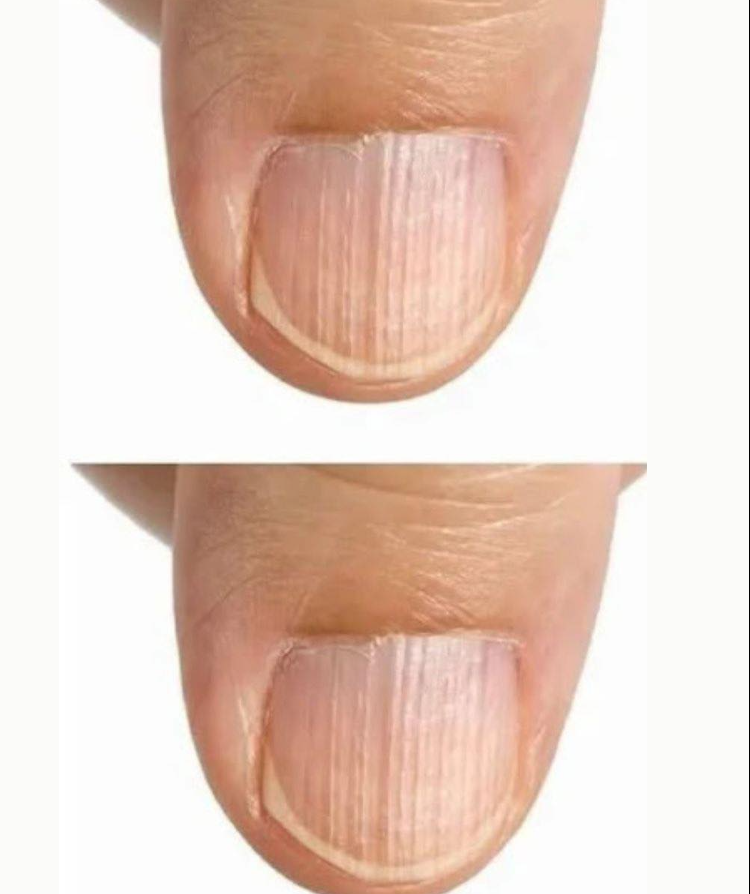
As we grow older, subtle physical changes often reveal themselves in unexpected places — including our fingernails. One of the most common age-related nail changes is the appearance of ridges. For people over 60, these lines may seem more pronounced than they were in earlier years. While some nail ridges are simply a natural sign of aging, others may signal underlying health concerns that shouldn’t be ignored. Understanding what’s normal and what’s not can help you take better care of your nails — and your health.
1. What Are Nail Ridges?
Nail ridges are raised lines that form on the surface of the nail plate. They can run:
-
Vertically: from the base of the nail (cuticle) to the tip
-
Horizontally: from one side of the nail to the other
Ridges can vary in texture — from fine lines barely noticeable to deep grooves that make the nail feel uneven. The type, pattern, and depth of these ridges can reveal important clues about your health.
2. Why Nail Ridges Become More Common After 60
As the body ages, cell turnover slows down, including in the nail matrix — the part of your finger responsible for nail growth. The natural oils and moisture that once kept nails smooth also decline, leaving nails drier and more prone to ridges.
Several factors contribute to this:
-
Reduced circulation with age
-
Slower nail growth rate
-
Changes in keratin structure (the protein that makes up nails)
-
Cumulative wear and tear over the years
This is why many people notice their nails becoming more brittle, dull, and ridged as they age — especially after 60.
3. Vertical Ridges: Usually Normal
What They Look Like
Vertical ridges, also called longitudinal ridges, run from the cuticle to the tip of the nail. They’re usually evenly spaced, straight, and not painful.
Common Causes
A. Natural Aging
This is by far the most common reason for vertical ridges. Just as skin develops wrinkles, nails develop ridges. These are harmless and don’t require treatment beyond routine nail care.
B. Dryness and Dehydration
As the body loses moisture with age, nails can become rougher and more ridged. Environmental factors — like frequent handwashing, cold weather, or harsh soaps — can make ridges more visible.
C. Mild Nutritional Deficiencies
A lack of certain nutrients such as biotin, iron, zinc, or omega-3 fatty acids can accentuate vertical ridges. Older adults may experience this more often due to reduced nutrient absorption.
D. Genetics
Some people are simply more prone to vertical ridges than others. If your parents or grandparents had ridged nails, you may too.
When It’s Likely Harmless
-
Ridges are straight and vertical
-
Nails remain strong and attached
-
No sudden changes in shape or color
-
No pain or inflammation
✅ Tip: Regular moisturizing, gentle filing, and a nutrient-rich diet can help make ridges less noticeable.
4. Horizontal Ridges: Often a Warning Sign
What They Look Like
Horizontal ridges, also known as Beau’s lines, run side-to-side across the nail. Unlike vertical ridges, these lines often indicate an interruption in nail growth caused by illness, stress, or trauma.
Common Causes
A. Major Illness or Stress
When your body faces a significant physical stress — such as a high fever, infection, or surgery — nail growth can temporarily pause. When it resumes, the nail shows a horizontal indentation.
B. Nutritional Deficiencies
Severe lack of protein, zinc, or other nutrients can disrupt nail formation and leave deep horizontal grooves.
C. Nail or Finger Trauma
Injury to the nail bed or cuticle can cause a temporary dent in nail growth.
D. Circulatory and Metabolic Issues
Circulation problems that are more common with age can also interfere with nail growth, creating ridges.
E. Underlying Health Conditions
Certain medical issues often show up in nails, including:
-
Diabetes mellitus
-
Thyroid disease
-
Peripheral arterial disease
-
Kidney disease
-
Psoriasis and Eczema
When to Be Concerned
-
Ridges appear suddenly and run horizontally
-
Nails become discolored, thick, or brittle
-
Ridges are accompanied by pain, swelling, or lifting of the nail
-
Multiple nails are affected at once
⚠️ In these cases, it’s wise to see a doctor or dermatologist. Nail changes can be early signs of health issues that may not yet show other symptoms.
5. Other Nail Changes Common After 60
While ridges are a major change, they’re not the only one. Aging can bring several nail transformations:
A. Brittle Nails
Nails may chip or split more easily due to moisture loss. This is especially common in women after menopause.
B. Thicker Nails
Toenails often thicken with age. While mild thickening is normal, excessive thickening can signal fungal infection or circulation problems.
C. Discoloration
A mild yellow tint can be normal. However, dark streaks, greenish hues, or black spots should be evaluated promptly.
D. Slow Growth
Nails grow more slowly with age, so changes take longer to appear — but also longer to heal.
6. How to Keep Nails Healthy After 60
Even though some changes are natural, good nail care can make a big difference. Here are some practical steps:
Moisturize Regularly
-
Use hand creams or oils (like vitamin E, jojoba, or coconut oil) daily.
-
Massage gently into nails and cuticles to keep them hydrated.
Protect Your Nails
-
Wear gloves when washing dishes or cleaning.
-
Avoid excessive water exposure, which dries nails out.
Eat a Balanced Diet
-
Include sources of biotin (eggs, nuts), zinc (seafood, seeds), and iron (leafy greens, lean meats).
-
Stay hydrated to keep nails flexible.
Gentle Grooming
-
Trim nails straight across, then gently round the edges with a file.
-
Avoid harsh nail files or pushing cuticles aggressively.
Avoid Harsh Chemicals
-
Minimize use of acetone-based polish removers.
-
Skip nail hardeners that can make brittle nails worse.
Consider Supplements (if needed)
-
Biotin supplements may support nail strength in some older adults, but consult your doctor before starting any.
7. When to See a Healthcare Professional
While most vertical ridges are benign, nail changes can be the body’s early warning system. It’s best to get a medical opinion if:
-
Ridges change suddenly in shape, depth, or direction.
-
Nails become discolored or detached from the nail bed.
-
Horizontal ridges appear on multiple nails.
-
You have chronic conditions like diabetes or circulatory disease.
-
You experience pain, swelling, or bleeding around the nails.
A dermatologist or primary care doctor can help determine whether the changes are purely cosmetic or signal something more serious.
8. Key Takeaway
-
Vertical ridges on nails after 60 are usually a normal sign of aging, caused by slower nail growth and dryness.
-
Horizontal ridges, however, can signal underlying health issues and should not be ignored.
-
Simple habits like moisturizing, gentle nail care, and proper nutrition can help keep nails strong and smooth.
-
If nail changes appear suddenly or are accompanied by other symptoms, see a medical professional.
Your nails are more than just cosmetic — they can offer important clues about your overall health. Paying attention to these small signs can help ensure you stay healthy and strong well beyond 60.